Best Hard Water Treatment System for Home and Business Solutions?
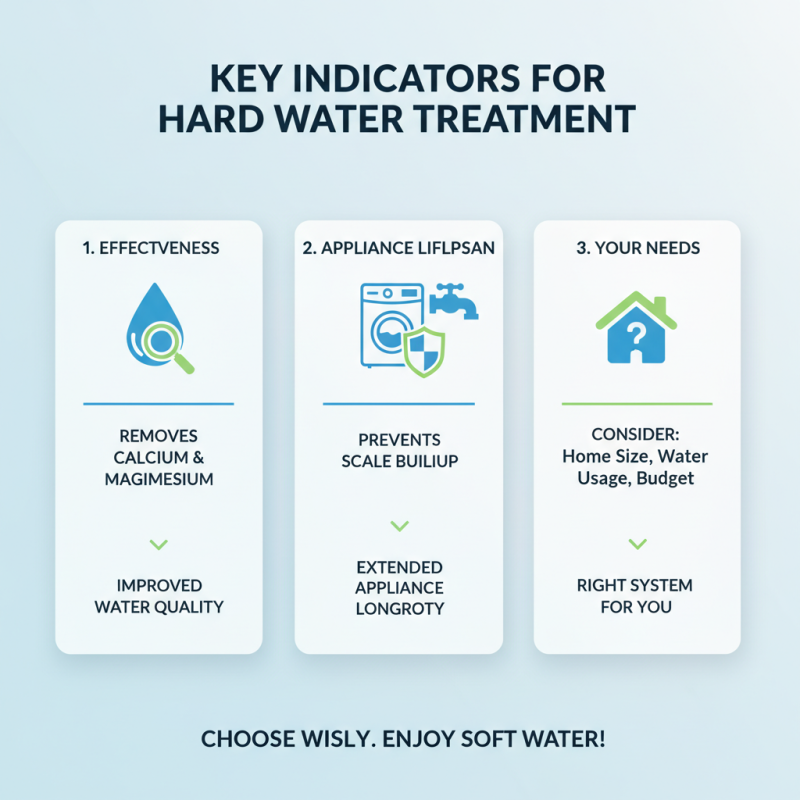
Hard water is a common issue that affects many homes and businesses. It brings various challenges, from scaling in pipes to damaging appliances. A reliable hard water treatment system can mitigate these problems, improving water quality and extending the lifespan of plumbing systems.
Choosing the right treatment system is crucial. Different solutions cater to specific needs, whether it's a whole-home system or point-of-use filters. Each option has its pros and cons, and many users find the array of choices overwhelming. It's essential to consider factors like local water hardness and budget constraints.
Not all hard water treatment systems are equal. Some may promise great results but fall short in real-world applications. Regular maintenance is vital for effectiveness. Understanding how these systems work will help users make informed decisions. It’s a complex process, but the benefits of clean, soft water are worth the effort.
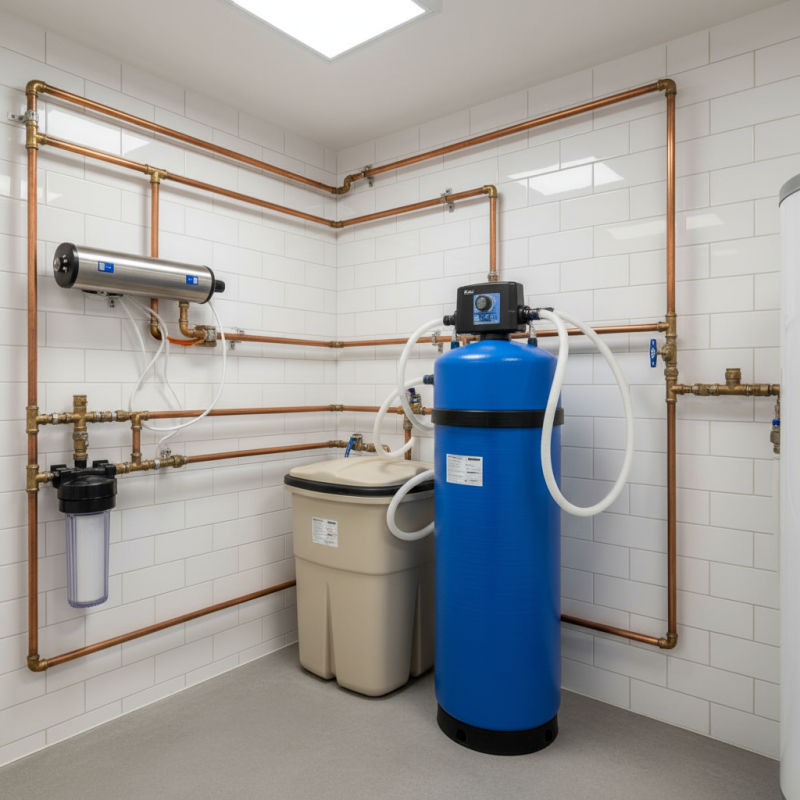
Overview of Hard Water and Its Impact on Home and Business Systems
Hard water contains high levels of minerals like calcium and magnesium. These minerals can lead to scaling in pipes and appliances. A study by the Water Quality Association indicates that over 85% of U.S. homes experience hard water issues. This impacts not only household plumbing but also business operations, leading to costly repairs and inefficiencies.
In homes, hard water can cause soap scum, making cleaning difficult. Appliances such as dishwashers and water heaters can become less efficient over time. The U.S. Department of Energy notes that a mere 5% decrease in efficiency due to scaling can significantly increase energy bills. For businesses, the impact is even more pronounced. Water-using equipment can face premature failure, leading to downtime and lost income.
To address these challenges, hard water treatment systems are essential. They help mitigate the negative effects of hard water on both homes and businesses. Professionals recommend recognizing the specific hard water levels in your area. Customizing a solution based on local water quality can maximize effectiveness. The importance of tailored strategies cannot be overstated. Each situation requires a unique approach to ensure optimal results.
Best Hard Water Treatment System for Home and Business Solutions
| Treatment System |
Type |
Capacity (GPD) |
Price Range ($) |
Effectiveness |
Maintenance Frequency (months) |
| Salt-Based Softener |
Ion Exchange |
30 |
500 - 1500 |
Very High |
6 |
| Reverse Osmosis System |
Filtration |
50 |
400 - 1200 |
High |
12 |
| Template Assisted Crystallization |
Physical |
40 |
800 - 2000 |
Medium |
24 |
| Electromagnetic System |
Magnetic |
No specific |
200 - 600 |
Moderate |
12 |
Types of Hard Water Treatment Systems: Ion Exchange, Reverse Osmosis, and More
Hard water can pose significant challenges for both homes and businesses. Treatment systems are essential for improving water quality. The three most common types of hard water treatment systems include ion exchange, reverse osmosis, and distillation. Each system has its benefits and limitations.
Ion exchange systems are prevalent due to their effectiveness in removing calcium and magnesium ions. They typically involve resin beads that attract these hard water minerals. A 2022 industry report notes that nearly 75% of residential users prefer this method. However, it requires regular maintenance and regeneration, which can be inconvenient.
Reverse osmosis (RO) is another solution gaining traction. RO systems push water through a semipermeable membrane, filtering out a wide range of contaminants, including hard minerals. According to studies, RO systems can reduce hardness levels by up to 95%. Still, they can waste water and often require additional filtering stages, which complicates the setup.
Ultimately, the choice of a hard water treatment system depends on specific water quality needs. It’s vital to analyze the pros and cons of each system, considering factors like efficiency, cost, and environmental impact. Understanding these elements can guide users toward the best solution for their unique water challenges.
Best Hard Water Treatment Systems Comparison
Comparison of Hard Water Treatment Systems: Cost, Efficiency, and Maintenance
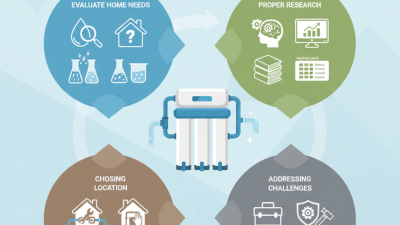
When evaluating hard water treatment systems, cost and efficiency are paramount. Many systems are available, from traditional water softeners to modern systems that use salt-free technologies. Choose a system that aligns with your budget and specific needs. The initial investment may be significant, but consider long-term savings on plumbing maintenance and appliance lifespan.
Maintenance is another critical factor to consider. Some systems require regular salt refills or cartridge replacements, while others are fairly hands-off. Understand the upkeep involved; this can save both time and money. If you are busy, a low-maintenance system may suit you best.
Tips: Research local water hardness levels. This knowledge helps you choose the most effective system. Don’t forget to read customer reviews. Real experiences offer valuable insights. It’s essential to weigh the pros and cons of each option carefully. Some systems may promise more than they can deliver, so stay informed. Avoid rushing your decision; this can lead to regret later.
Industry Trends: Innovations in Hard Water Treatment Technologies and Practices
The hard water treatment industry is evolving rapidly. Recent studies indicate that about 85% of the U.S. has hard water, impacting plumbing and appliances. Innovations are crucial. New technologies focus on efficiency and sustainability.
Reverse osmosis systems are gaining popularity. They remove minerals effectively. Studies show they reduce scaling by up to 98%. However, these systems can waste more water than they treat. Improving water recovery is essential. Membrane technology advancements are being researched to enhance efficiency.
Salt-free water conditioners are also emerging. They avoid adding sodium to water. A 2022 market analysis highlighted a shift towards these systems for health-conscious consumers. Nonetheless, some users report dissatisfaction. The effectiveness can vary, and further testing is needed. As the industry progresses, manufacturers must address these gaps to build trust in their solutions.