Best Salt Free Water Softener Options for Your Home?
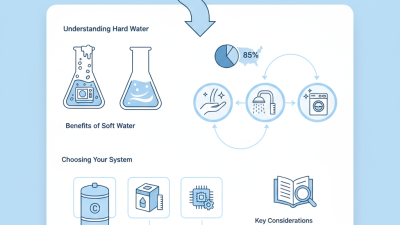
In recent years, the demand for salt free water softeners has increased significantly. Many homeowners are seeking alternatives to traditional systems due to health and environmental concerns. According to a report by the Water Quality Association, up to 85% of homes in the U.S. have hard water, contributing to mineral buildup and other plumbing issues. Salt free options present a practical solution to these challenges.
Dr. Emily Richards, an industry expert in water treatment, notes, "Transitioning to a salt free water softener can greatly enhance water quality without the adverse effects of sodium." This emphasizes the growing recognition of health benefits associated with these systems. They not only reduce scale buildup but can also help in preserving essential minerals in water.
However, the effectiveness of salt free water softeners varies based on system types and water conditions. It's crucial to analyze individual needs and water quality before making a decision. Some users have expressed dissatisfaction, noting that these systems may not completely eliminate hardness. It's a complex choice, requiring thorough research and understanding of one’s specific water profile. Nevertheless, exploring these options can lead to significant improvements in household water quality.
Overview of Salt-Free Water Softeners and Their Benefits
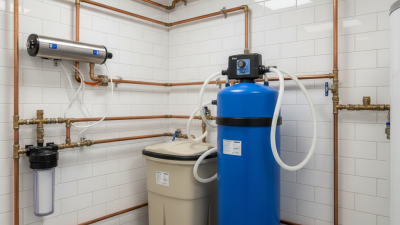
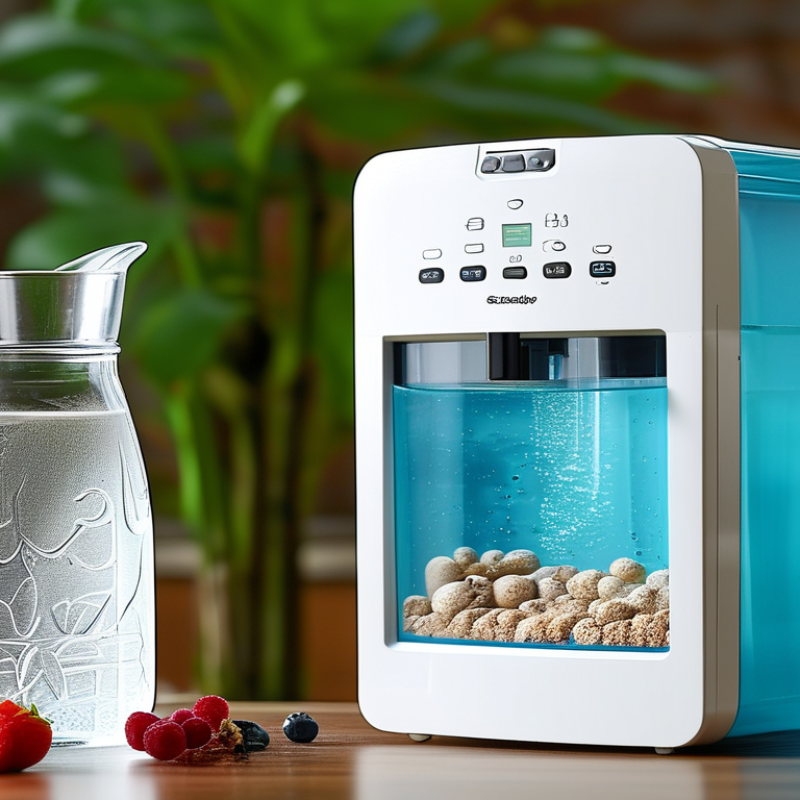
Salt-free water softeners are becoming increasingly popular for homeowners looking to improve water quality without the use of harsh chemicals. These systems help prevent scale buildup in pipes and appliances, which can prolong their lifespan. They use a process called template-assisted crystallization, transforming hard minerals into a crystal form that can easily flow through plumbing.
Homeowners often appreciate that salt-free systems do not require backwashing or salt bags. This makes maintenance simpler and more eco-friendly. They also retain beneficial minerals in the water, which is advantageous for skin and health. However, a common misconception is that these systems work like traditional softeners. They don’t remove hardness minerals completely; instead, they inhibit scale formation.
When considering a salt-free option, think about your home's water usage. Larger families may need more robust systems, while smaller households might benefit from compact models. Check your water hardness levels, as some systems may handle specific hardness levels better than others. It's valuable to look for expert reviews and user experiences while researching options. Balancing your needs and system capabilities is crucial for achieving the best results.
Types of Salt-Free Water Softeners Available on the Market
When considering salt-free water softeners, it’s important to understand the different types available. One popular option is the template-assisted crystallization system. This method uses a specific media to transform hard minerals into a form that does not adhere to surfaces. It effectively reduces scale buildup in pipes and appliances. However, some might find this solution less effective in very hard water areas.
Another option is the magnetic water conditioner. This device influences the behavior of minerals using magnetic fields. It claims to reduce scale without the need for salt or chemicals. Though the science behind this is still debated, many users appreciate the lower maintenance compared to traditional systems. Skepticism remains about its efficacy.
Lastly, a polyphosphate water conditioner can be an effective choice. It works by coating mineral particles, preventing them from forming scale. While some homeowners report noticeable improvements, others suggest it may not be as reliable long-term. Users should conduct their own research and weigh their local water conditions before selecting a system.
Key Features to Consider When Choosing a Salt-Free Water Softener
When selecting a salt-free water softener, several key features stand out. One critical aspect is the technology used to soften the water. Many systems utilize Template Assisted Crystallization (TAC), which prevents minerals from forming scale. According to the Water Quality Association, about 85% of homes in the U.S. have hard water, making this feature essential for reducing scale buildup in plumbing and appliances.
Another feature to consider is the system's capacity. Household size directly influences the amount of water processed. Most units can handle varying flow rates, which experts state is essential for maintaining consistent water pressure. A study found that larger systems are more efficient for families, ensuring that everyone benefits from softened water.
Buying tips: Look for NSF certifications that guarantee effectiveness and safety. Check for warranty options, as reliable brands often offer longer warranties. Additionally, consider the system's maintenance needs. Some options require minimal upkeep, while others may need periodic filter changes or cleaning. Assess your lifestyle to choose the right one.
Remember, while salt-free systems reduce scale, they do not remove hardness completely. This could affect taste or other uses where mineral-free water is required. Make sure to evaluate your specific needs against the capabilities of the system.
Best Salt Free Water Softener Options for Your Home
| Model |
Type |
Flow Rate (GPM) |
Capacity (Gallons) |
Installation Difficulty |
Price Range |
| Model A |
Salt-Free Conditioner |
10 |
40,000 |
Easy |
$300 - $400 |
| Model B |
Descaler |
8 |
20,000 |
Moderate |
$150 - $250 |
| Model C |
Template Softener |
12 |
50,000 |
Advanced |
$400 - $600 |
| Model D |
Magnetic System |
6 |
15,000 |
Very Easy |
$100 - $200 |
Top Salt-Free Water Softener Brands and Product Recommendations
When choosing a salt-free water softener for your home, understanding your options is crucial. Salt-free systems use a different technology, often employing Templates Assisted Crystalization (TAC). This method helps reduce scale buildup without adding sodium to your water supply. According to industry reports, these systems can effectively reduce calcium and magnesium, making your water more manageable for appliances and plumbing.
Several brands offer top-notch salt-free water softeners. They are known for their efficiency and lower maintenance needs. Users often highlight their satisfaction with ease of installation and long-term performance. Recent studies indicate that these systems can prolong the life of appliances by up to 30%. This is significant, especially for households that rely heavily on dishwashers and water heaters.
Considering your water's characteristics is a smart move. Test your water for hardness levels before investing. Aim for a system that not only fits your budget but meets your household's needs. Regular maintenance checks can enhance performance. Additionally, remember that the success of a salt-free softener may vary based on individual water conditions. Choosing the right system requires careful thought and an understanding of your unique situation.
Installation and Maintenance Tips for Salt-Free Water Softeners
Installing a salt-free water softener can greatly improve your home's water quality. These systems reduce scale buildup without the use of salt. Maintenance is essential for efficiency and performance. Regular checks can prevent issues and ensure longevity.
Cleaning the filtration system is crucial. A buildup of sediment can affect water flow. Check the filters every few months and clean or replace them as needed. This simple step can enhance system performance.
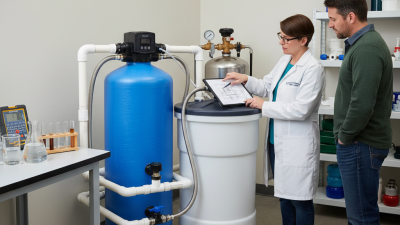
Monitor the water's hardness level. Even salt-free systems need evaluation. Consider using a water hardness monitor to keep track. If levels rise, it may indicate that your system requires attention. Adjusting maintenance schedules based on water quality can lead to better results.