The Best Water Filters and Softeners for Clean and Soft Water?
When it comes to maintaining a healthy home, having clean water is essential. Many households struggle with hard water problems, leading to various issues like scale buildup and dry skin. The solution lies in investing in a quality water filter and softener. These systems work together to ensure your water is not just clean but also gentle on your skin and appliances.
Choosing the right water filter and softener can be overwhelming. There are numerous options available, each with its own features and benefits. Understanding your home's specific needs is crucial. Some filters remove contaminants, while others focus on softening hard water. Finding the perfect balance can be challenging, and many people don’t realize they may require both systems for optimal results.
Many homeowners overlook the importance of regular maintenance. A neglected filter can become less effective over time, compromising your water quality. This cycle of inadequate filtration can lead to frustration, highlighting the need for awareness and regular checks. Investing time in research and maintenance will pay off greatly in the long run.
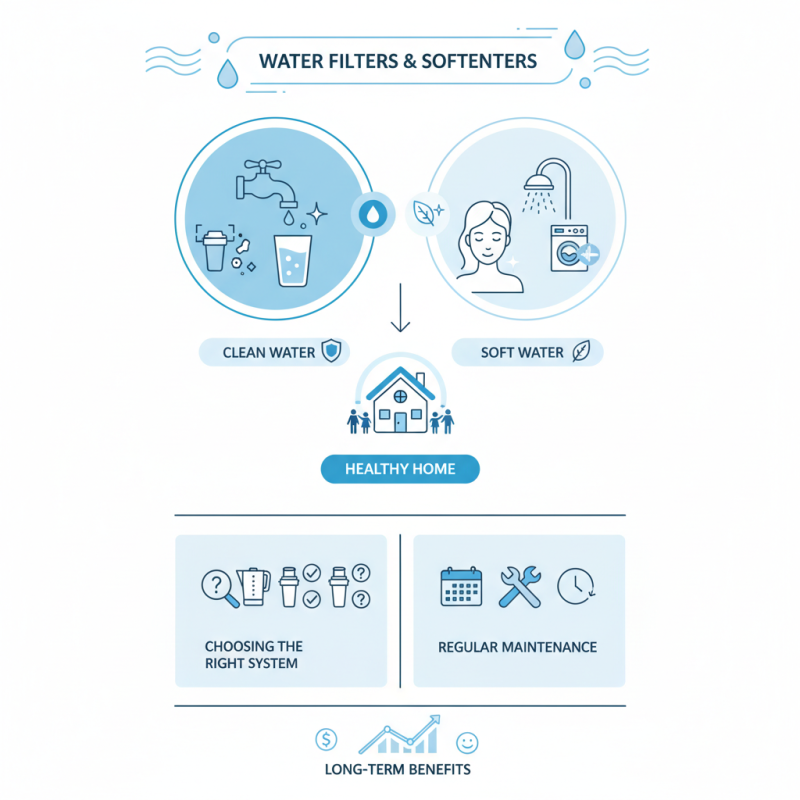
Understanding the Importance of Clean and Soft Water
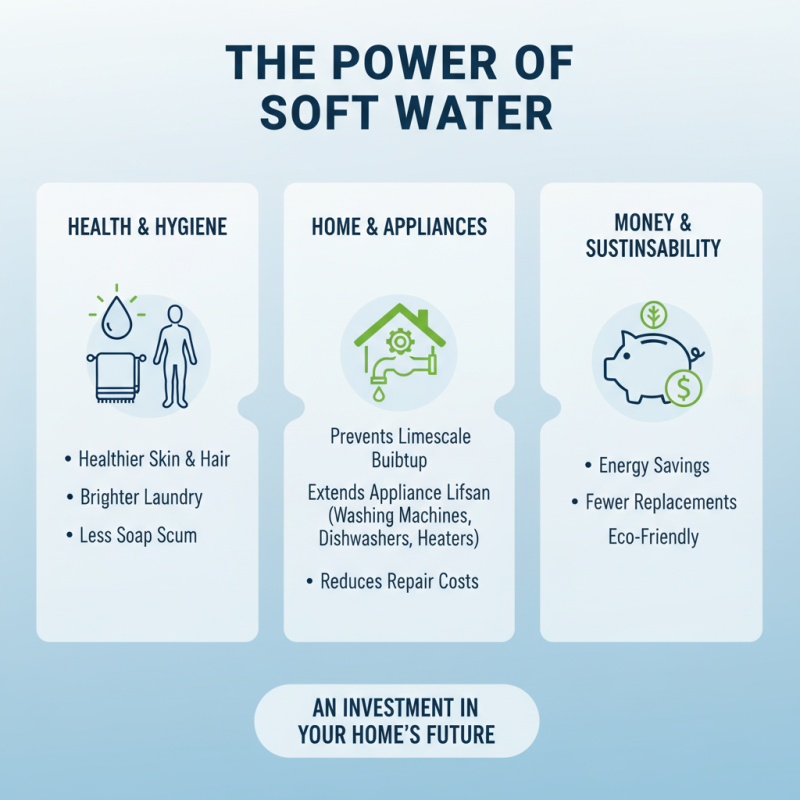
Clean and soft water is essential for various aspects of daily life. It impacts our health, washing, and even the lifespan of household appliances. Hard water can lead to mineral buildup in pipes and appliances. This can result in costly repairs and early replacements. It's not just a convenience; it’s an investment in your home.
To understand the importance of clean water, consider your health. Water that has contaminants can affect your body's functions. Soft water also feels better on your skin. It can enhance your shower experience and skincare routines. Remember, the right filter can remove impurities effectively.
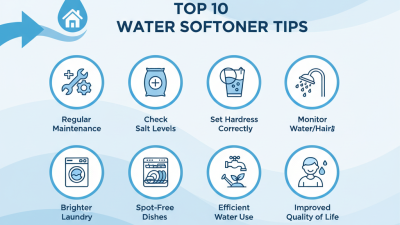
Tips: Regularly check your water filter’s performance. Replace it according to the manufacturer's guidelines. You might feel it’s fine, but bacteria can grow unnoticed. Additionally, invest in water softening systems if you have hard water issues. This small change can truly improve your daily water quality. Look at your usage habits; you might be wasting water. Thinking critically about your water needs leads to better choices.
Types of Water Filters: A Comprehensive Overview
When discussing water filters, it's essential to understand the different types available. Carbon filters are widely recognized for their ability to remove chlorine and other contaminants. According to a report from the Environmental Protection Agency, activated carbon can reduce impurities effectively. This type of filter is commonly used in household systems. Yet, some users may not change their filters regularly, which can lead to reduced effectiveness over time.
Reverse osmosis systems are another option. They can remove up to 99% of total dissolved solids. However, they can be quite wasteful, as they generate a significant amount of wastewater. The Water Quality Association suggests that people should assess their water sources carefully before investing. Some areas may not require such extensive solutions, while others might struggle with minerals and contaminants.
Ultraviolet (UV) filters are increasingly popular. They kill bacteria and viruses without chemicals. Still, they require electricity to function. Users should keep in mind that UV systems do not remove particulate matter or chemical pollutants. In some cases, a combination of systems may be necessary for optimal water quality. Monitoring the water quality post-filtration is crucial for ensuring the health of household drinking water. Regular testing can highlight issues that may arise, prompting necessary adjustments to filtration systems.
How Water Softeners Work: Mechanisms and Benefits
Water softeners are essential devices in many homes. They function by removing hard minerals from water. The primary culprits are calcium and magnesium. These minerals can cause scale buildup in pipes and appliances. A water softener uses a process called ion exchange. It replaces hardness ions with sodium ions.
The benefits of soft water are numerous. For instance, soft water enhances soap lather. This makes cleaning more effective. Dishes and clothes come out cleaner. However, there are some downsides. Many people dislike the taste of softened water. This is due to the added sodium. Also, it can lead to an increased salt intake, which isn’t ideal.
In addition to taste concerns, maintenance is required. Regularly replenishing salt is necessary for optimal performance. Sometimes, hardness can still remain if the system overloads. Be mindful of these potential issues. Having soft water can improve your quality of life. But understanding its limitations is equally important.
The Impact of Water Softeners on Water Quality
This chart illustrates the effectiveness of water softeners in reducing hardness and improving water quality. The data represents the reduction in hardness (measured in mg/L) before and after the installation of water softeners across various water sources.
Top Rated Water Filter Brands: Features and Comparisons
When it comes to selecting a water filter, consumers face numerous options. Reports indicate that about
80% of households are concerned about water quality.
Contaminants, such as lead and chlorine,
often find their way into tap water. Consumers want more than just clean water; they seek brands that offer
reliable data on contaminants removed.
Top-rated water filter systems vary significantly in features. Some models utilize
activated carbon, while others employ reverse osmosis. A study found that reverse
osmosis can remove up to 99% of total dissolved solids. This high
efficiency appeals to families who prioritize safety. However, maintenance can be an issue. Filters need
regular changes, and many users forget this crucial step.
Softening water is another consideration. Hard water can damage appliances and plumbing. Statistics show that
about 85% of American homes have hard water. There are
salt-based systems and salt-free alternatives. Each has its pros and cons.
Salt-based systems are often more effective but can lead to increased sodium levels in drinking water.
Consumers must weigh these aspects carefully. The quest for the best water solutions isn't straightforward;
it requires thoughtful reflection on individual needs.
Factors to Consider When Choosing a Water Treatment Solution
When selecting a water treatment solution, various factors must be taken into consideration. Water quality is crucial. Hardness levels can significantly affect your plumbing and appliances. Studies indicate that approximately 85% of households in the U.S. face hard water issues. This can lead to scale buildup and reduced efficiency in water heaters.
Filtration needs also play a vital role. Water may contain contaminants like chlorine, lead, or even microbes. According to the CDC, having access to clean drinking water can prevent many health issues. It’s essential to test local water sources for specific impurities. This helps in choosing a filter that targets those contaminants effectively.
Capacity is another important aspect. If a household uses a lot of water, a filter's capacity should match this demand. Many filters have limits on how much water they can treat before needing replacement. Neglecting this can lead to ineffective filtration. Each of these factors contributes to the overall effectiveness of water treatment solutions.