How to Choose the Best Well Water Filtration System?
Accessing clean water is essential for health. In rural areas, many rely on a well water filtration system. According to the Environmental Protection Agency (EPA), around 15% of Americans use private wells. These wells can contain contaminants. Minerals, bacteria, and chemicals often infiltrate groundwater.
Choosing the right filtration system can be daunting. A recent study by the National Ground Water Association found that more than 50% of well water tests reveal harmful substances. This highlights the importance of reliable purification solutions. Many consumers struggle with identifying effective systems.
It’s vital to evaluate filtration options carefully. Each household has unique needs, influenced by water quality and usage. A well water filtration system should address specific contaminants. Research and expert recommendations often play a pivotal role in the selection process. However, not all sources are equally trustworthy. Ensuring that the chosen system meets health standards is crucial. The journey to cleaner water begins with informed choices.
Understanding the Importance of Filtration for Well Water Quality
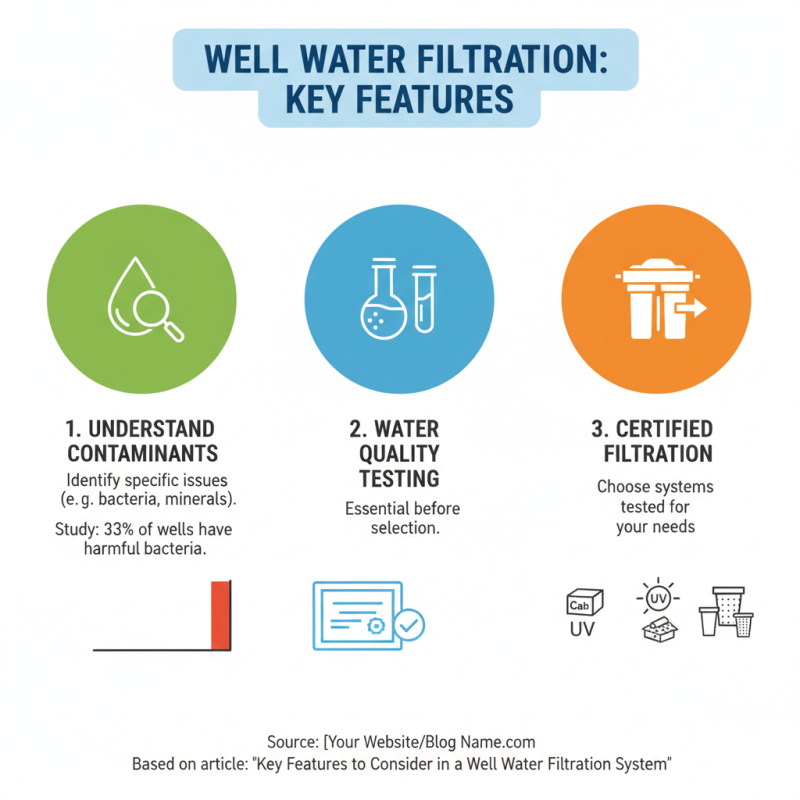
The quality of well water can vary significantly. Factors like surrounding land use and geological formations greatly influence its safety. A report by the Centers for Disease Control and Prevention (CDC) notes that nearly 15 million households rely on well water in the U.S. This water may contain harmful contaminants, including bacteria, nitrates, and heavy metals. Regular testing is essential to understand these risks.
Filtration is crucial for addressing these potential hazards. A study from the Environmental Protection Agency (EPA) shows that proper filtration can remove up to 99% of certain contaminants. This data underscores the importance of selecting the right filtration system. However, many homeowners overlook the specifics of their water composition. This gap in knowledge can lead to inadequate filtration solutions.
Some may believe that boiling water is sufficient. In reality, this only eliminates bacteria but does not address chemicals or heavy metals. It’s vital to analyze test results carefully. Tailoring a filtration solution based on these insights ensures safe drinking water. Filtering well water is not just a matter of convenience—it’s a necessity for health and safety. Ignoring this can have serious consequences.
Types of Well Water Contaminants and Their Health Implications
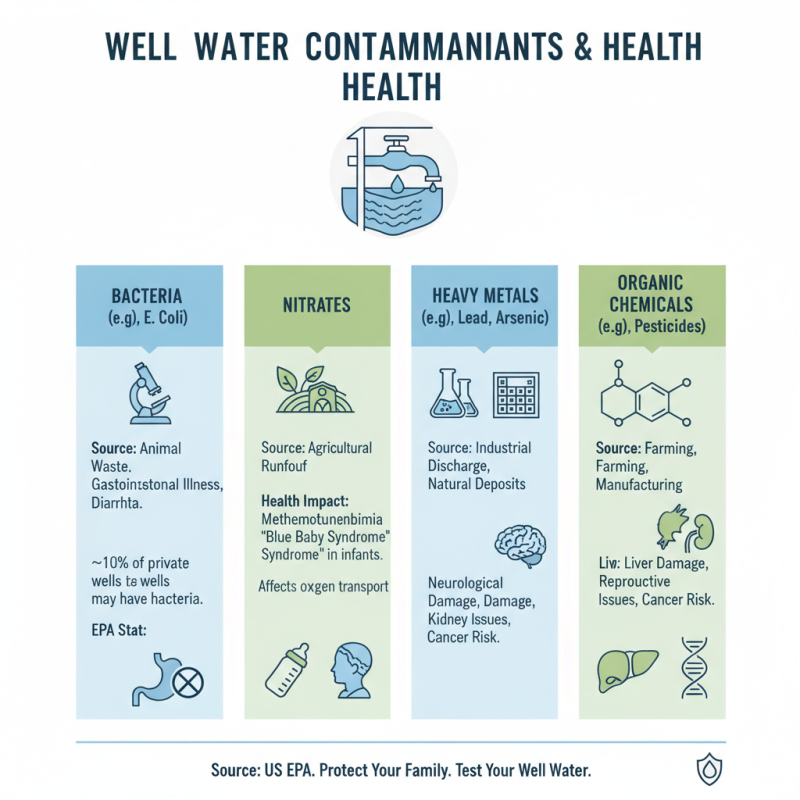
When considering well water filtration systems, it is crucial to understand the types of contaminants that may be present. Common well water contaminants include bacteria, nitrates, heavy metals, and organic chemicals. The U.S. Environmental Protection Agency (EPA) highlights that around 10% of private wells may contain harmful bacteria like E. coli, which can pose serious health risks. Nitrates, often from agricultural runoff, can contribute to health issues such as methemoglobinemia, particularly in infants.
Heavy metals like lead and arsenic might also infiltrate well water. According to the Agency for Toxic Substances and Disease Registry, long-term exposure can lead to significant health problems, including developmental issues and cancer. Organic contaminants, such as pesticides, are another concern. They are linked to hormonal disruptions and reproductive issues.
**Tips:** Regular testing of your well water is essential for identifying these contaminants. Make sure to test for bacteria and chemicals at least once a year. If results indicate high levels of any contaminants, consider installing a multi-stage filtration system. This approach helps address various types of pollutants and improves water quality. Always consult with a water quality expert to make informed choices based on your specific circumstances.
Comparing Different Filtration Technologies for Well Water
When choosing a well water filtration system, understanding the technology is crucial. Various filtration methods exist, each with unique benefits. According to a report by the Water Quality Association, nearly 35% of U.S. households rely on private wells. Thus, the implications of poor water quality are significant.
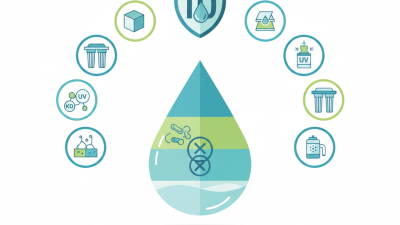
Reverse osmosis (RO) systems effectively remove contaminants. They can reduce dissolved solids by up to 95%. This method works well for removing pollutants like arsenic and nitrates. However, some users find the water waste ratio troubling—average systems waste 3-4 gallons for every gallon filtered.
Activated carbon filters offer a different approach. They excel at removing chlorine and improving taste. Yet, they need regular changes to maintain efficacy. Neglecting this can lead to bacterial growth inside the filter. UV filtration is a reliable option for disinfecting water. It eliminates up to 99.9% of harmful pathogens. But, it requires electricity and won’t remove chemical contaminants. Each method has its strengths and weaknesses, illustrating the importance of choosing based on specific water quality needs.
How to Choose the Best Well Water Filtration System? - Comparing Different Filtration Technologies for Well Water
| Filtration Technology |
Removal Capability |
Maintenance Frequency |
Initial Cost |
Lifespan |
| Activated Carbon |
Chlorine, VOCs, Bad Taste |
Every 6-12 months |
$100 - $300 |
2 - 5 years |
| Reverse Osmosis |
Heavy Metals, Sediments, Microorganisms |
Every 2 years for membrane |
$200 - $600 |
10 - 15 years |
| Ultraviolet (UV) Light |
Bacteria, Viruses |
Annually for lamp replacement |
$150 - $400 |
1 - 2 years for lamp |
| Ion Exchange |
Hardness, Certain Heavy Metals |
Every 1-2 months |
$250 - $700 |
5 - 10 years |
| Ceramic Filters |
Bacteria, Sediments |
Every 6-12 months |
$50 - $150 |
3 - 5 years |
Maintenance and Cost Considerations for Well Water Filtration Systems
When selecting a well water filtration system, maintenance and cost are crucial factors. Regular upkeep ensures the system functions effectively. It’s essential to consider the type of filter media used, as some require frequent replacement.
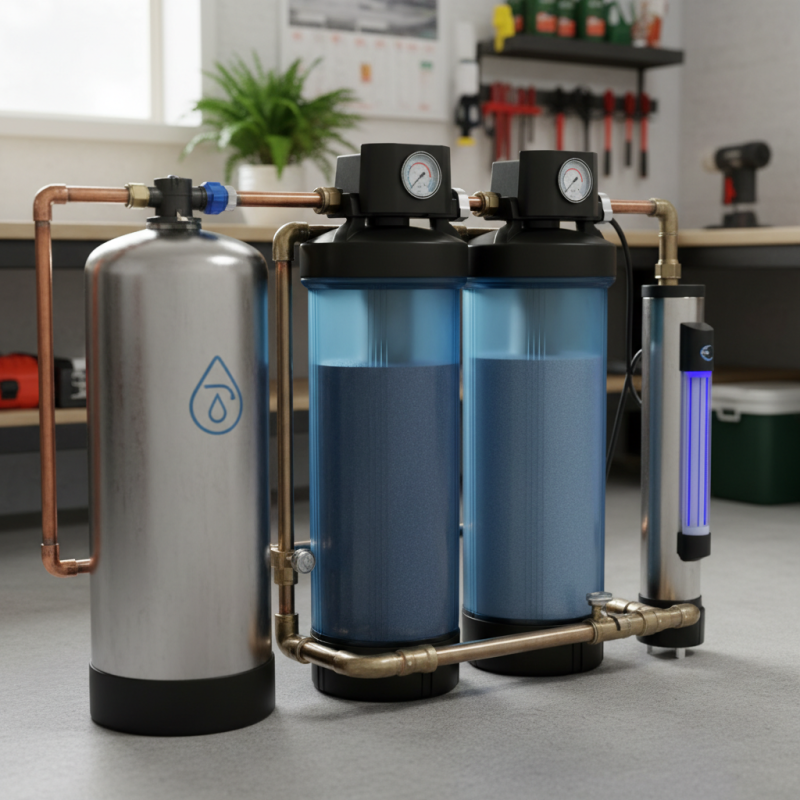
Pressure gauges can help monitor the performance, alerting you when it’s time for a change.
Costs can vary widely. Initial expenses might be high, but long-term savings are worth it. Consideration should be given to energy usage and water waste produced by the system. Installation fees can also add to the total cost. Look for systems that offer a good balance between price and efficiency.
Tips: Keep an eye on filter lifespan. This will help in budgeting for replacements. Assessing your water quality regularly can guide you on maintenance needs. Also, don't overlook DIY options for minor repairs to save on costs.