How to Choose the Best Water Purification Systems for Your Home?
Choosing the right water purification systems for your home is crucial for health and well-being. Expert Dr. Sarah Thompson, a leading authority in water quality, states, "Clean water is the foundation of a healthy life." This emphasizes the importance of selecting the appropriate systems.
When considering your options, think about your water source. Some systems are better for well water, while others work best with municipal supplies. Each situation is unique, so personal assessment is key. You may find yourself overwhelmed by the variety available in the market. This is normal and reflects the complexity of water purification needs.
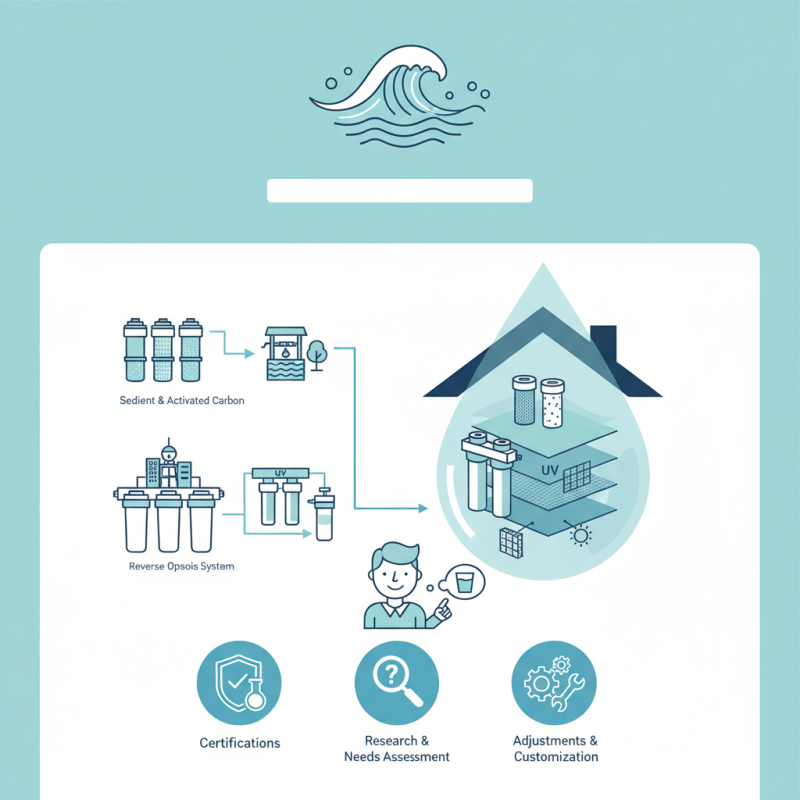
Additionally, pay attention to the certifications of any system you evaluate. Look for NSF or WQA seals to ensure reliability. Even the best systems may not suit your needs perfectly, so be prepared for adjustments. Understanding what you want is vital. Research is necessary, and sometimes the best choice is not the most expensive one.
Understanding the Importance of Water Purification for Home Use
Water purification is crucial for maintaining health and well-being in our homes. Contaminated water can lead to serious health issues. Understanding the benefits of purifying your water can guide your choice of systems.
One key benefit of water purification is removing harmful contaminants. Chemicals, heavy metals, and bacteria often lurk in tap water. Investing in a reliable purification system helps ensure that you're drinking clean, safe water. Many systems focus on different contaminants, so assess the quality of your local water supply before choosing.
Tips: Check water quality reports for your area. They provide insights into potential contaminants. Consider your family’s specific needs. For instance, if there are young children, a system that removes chlorine and lead might be best.
Reflect on what type of water usage matters most. Is it drinking, cooking, or both? Some families prioritize taste and odor, while others focus on chemical elimination. This understanding can help you choose the right device for your home. Don't hesitate to seek expert advice for tailored solutions.
Types of Water Purification Systems Available for Homeowners
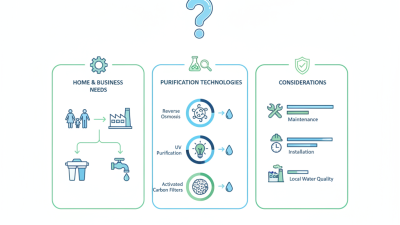
When choosing a water purification system for your home, it’s essential to understand the different types available. Each type offers unique benefits and limitations. Reverse osmosis systems use a semi-permeable membrane to remove impurities. They effectively reduce contaminants like lead, chlorine, and fluoride. However, they can waste water and may require regular maintenance.
Activated carbon filters are another popular option. They improve taste and odor by absorbing impurities. These filters are easy to install and replace. Yet, they may not remove all contaminants, such as heavy metals. UV water purifiers use ultraviolet light to eliminate bacteria and viruses. While effective against pathogens, they do not remove sediments or chemicals.
Consider your specific water quality needs. Testing your water can reveal contaminants to target. Some homeowners opt for multi-stage systems that combine different technologies. Each system has potential drawbacks, like initial costs and filter replacements. Selecting the right system requires careful thought and awareness of your water’s unique characteristics.
Water Purification Systems Types Comparison
Key Factors to Consider When Choosing a Water Purification System
When selecting a water purification system for your home, consider water quality reports from local authorities. Most municipalities publish annual water quality reports, revealing the contaminants present in your tap water. This data helps identify your specific needs. For instance, if lead is a concern, look for filters with NSF certification for lead reduction.
The size of your household also influences your choice. Larger families may need systems with higher output capacity. According to the Water Quality Association, about 85% of households require systems capable of filtering several gallons per day. Consider the space required for installation too. Not all systems fit easily under your sink or in your utility area.
Ease of maintenance is a crucial factor as well. Some systems require frequent filter changes, while others need minimal upkeep. Regular maintenance affects both performance and safety. The Environmental Protection Agency reports that improper maintenance can result in recontamination of water. Remember, choosing a system is about balancing efficiency, space, and upkeep.
How to Choose the Best Water Purification Systems for Your Home? - Key Factors to Consider When Choosing a Water Purification System
| Factor |
Description |
Importance Level |
Recommended Systems |
| Contaminant Removal |
Effectiveness in removing common contaminants like chlorine, lead, and bacteria. |
High |
Reverse Osmosis, UV Filters |
| Filtration Technology |
Types of filtration methods such as activated carbon, ceramic, etc. |
Medium |
Activated Carbon Filters, Ceramic Filters |
| Cost and Maintenance |
Initial purchase cost and ongoing maintenance expenses. |
High |
All Systems |
| Water Pressure Requirements |
Minimum water pressure needed for effective operation of the system. |
Medium |
Whole House Filters, Reverse Osmosis |
| Installation Type |
Ease of installation - under sink, countertop, or whole house models. |
Medium |
Countertop Filters, Whole House Systems |
| Certifications |
Certifications from bodies like NSF for safety and performance. |
High |
All Certified Systems |
Comparative Analysis of Popular Water Purification Technologies
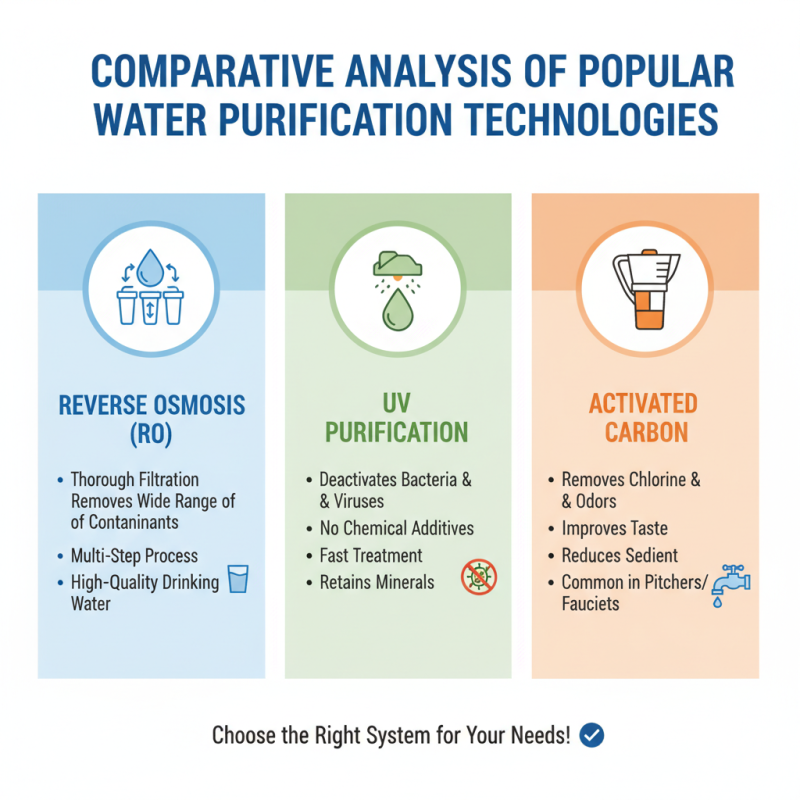
Choosing the right water purification system can feel overwhelming. Many technologies compete for attention, each claiming to be the best. However, a comparative analysis of popular methods reveals key distinctions. Reverse osmosis systems are touted for their thorough filtration, removing a wide range of contaminants. These systems use a multi-step process, often resulting in high-quality drinking water.
Activated carbon filters, on the other hand, excel in removing chlorine and improving taste. They are relatively affordable and easy to install. Yet, they may not eliminate all harmful substances. UV purifiers stand out by using light to kill bacteria and viruses. They are effective but rely on electricity. However, their inability to filter out chemicals is a notable drawback.
Consider your specific water quality and household needs when choosing a system. Each technology has its strengths and limitations. Reflect on how often you will need to maintain the system and replace filters. Research shows that many homeowners overlook maintenance, impacting effectiveness. Assessing these factors can lead to a more informed decision about your water purification needs.
Maintenance and Longevity of Water Purification Systems for Homes
Maintaining a water purification system is essential for ensuring clean and safe drinking water at home. Regular upkeep helps prolong the lifespan of your system. One key aspect is changing filters periodically. Neglecting this task can lead to reduced performance and even contamination.
Another important factor is cleaning the system itself. Over time, mineral buildup or sediment can accumulate. This may affect the efficiency of the water purification process. Taking time to flush the system helps keep it in good condition.
Monitoring the system’s performance is crucial. Keep an eye on flow rates or any unusual noise. These small signs can indicate that maintenance is needed. Don’t overlook them, as they may point to bigger issues. Ignoring these signals can lead to costly repairs. Investing attention and care will ensure your system works effectively.