2025 How to Choose the Best Well Water Softener System for Your Home
When considering the optimal solution for treating hard water in rural homes, selecting the right well water softener system is crucial. According to a report by the Water Quality Association (WQA), approximately 85% of the United States has hard water, leading to significant challenges for homeowners relying on private wells. The accumulation of minerals such as calcium and magnesium not only affects the taste and quality of water but also causes scale buildup in plumbing fixtures, resulting in costly repairs and maintenance.
As noted by industry expert Dr. Angela Fitzpatrick, a well-respected water treatment specialist, “Investing in a high-quality well water softener system can significantly enhance the longevity of your plumbing and improve the overall quality of your household water.” This emphasizes the importance of choosing a suitable system tailored to the unique characteristics of your well water. Understanding the various types of water softeners available, their capacities, and the specific hardness levels of your water are essential steps in the decision-making process for homeowners. By making an informed choice, you can ensure not only an efficient water treatment solution but also safeguard your home against the detrimental effects of hard water over time.
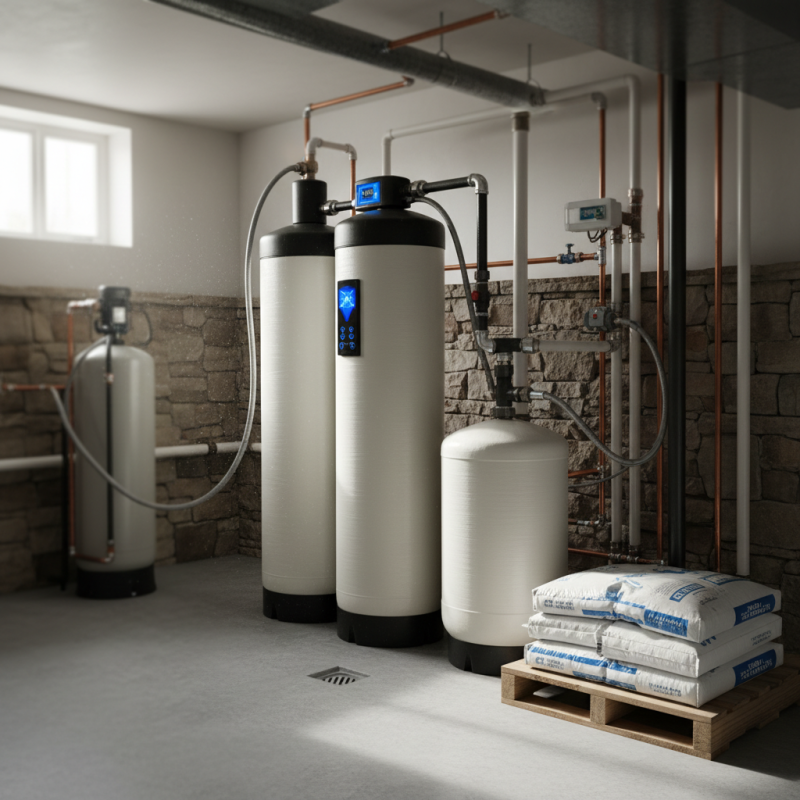
Understanding Water Hardness and Its Impact on Home Systems
Water hardness is a crucial factor that can significantly affect various home systems, from plumbing to appliances. According to the U.S. Geological Survey, approximately 85% of water in the United States is considered hard water, containing high levels of calcium and magnesium. The presence of these minerals can lead to scale buildup in pipes, water heaters, and fixtures, resulting in reduced efficiency and increased maintenance costs. For instance, hard water can decrease the lifespan of appliances like dishwashers and water heaters by up to 30% due to mineral accumulation.
The impact of water hardness extends beyond just appliances; it can also influence home cleaning and personal care. Hard water often leads to soap scum formation, making it difficult to achieve suds in bathing and cleaning products. The unwanted residue can irritate skin and diminish the effectiveness of detergents, leading to increased usage and higher costs. A study published in the Journal of Environmental Engineering indicated that households with hard water can spend over $800 annually just on laundry and cleaning products due to the inefficiency introduced by mineral buildup. Understanding the hardness level of your water is essential for selecting the right water softener system, which can mitigate these issues and promote overall home efficiency.
Key Features to Consider in a Water Softener System
When selecting a water softener system for your home, several key features should be at the forefront of your decision-making process. First and foremost, you need to consider the type of system that best suits your household size and water usage. There are two primary types: ion exchange and salt-free softeners. Ion exchange systems are highly effective in removing hardness minerals such as calcium and magnesium, while salt-free alternatives can prevent scale buildup without the need for sodium. Assessing your specific needs will ensure that you choose a system that effectively addresses your water hardness levels.
Another critical aspect to evaluate is the system's capacity and regeneration time. The capacity is often measured in grains, and selecting a system with the appropriate capacity for your household can prevent frequent regeneration cycles, which can waste water and salt. Additionally, consider the frequency and method of regeneration—whether it occurs based on demand or on a timer. Systems that regenerate on demand tend to be more efficient and can adapt to fluctuations in water usage, ultimately saving you both time and resources. Be sure to also check for ease of installation and maintenance to ensure long-term satisfaction and minimal hassle.
Types of Water Softener Systems Available for Well Water
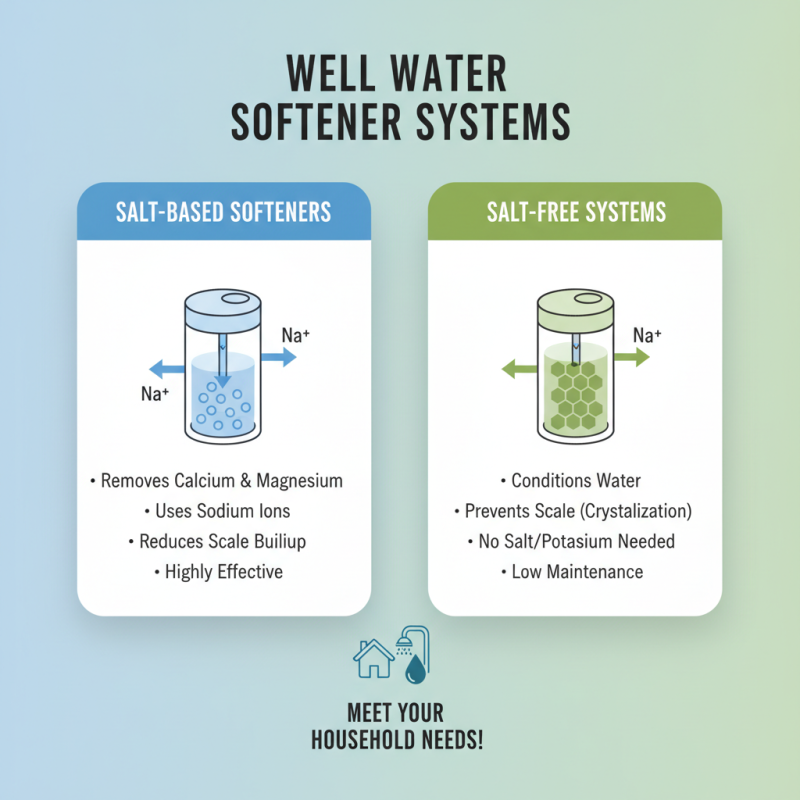
When selecting a water softener system specifically designed for well water, it's essential to understand the various types available to meet your household needs. The two main categories are salt-based water softeners and salt-free systems. Salt-based softeners utilize a resin tank to remove hardness minerals like calcium and magnesium, replacing them with sodium ions. This traditional method is highly effective in reducing scale buildup in plumbing and appliances, making it a popular choice among homeowners.
On the other hand, salt-free water softeners employ a different approach known as template-assisted crystallization. This technology converts hardness minerals into microscopic crystals that prevent them from adhering to surfaces, thus minimizing scale formation without removing the minerals from the water. While salt-free systems are generally easier to maintain and do not add sodium to the water, they may not provide the same level of softness as their salt-based counterparts. Evaluating the specific water hardness and household requirements will help in making an informed decision about which type of system to install.
Assessing Your Home's Water Usage and Sizing the Softener
When selecting the best well water softener system for your home, assessing your household's water usage is crucial. Begin by calculating the total daily water consumption, which includes drinking, cooking, bathing, laundry, and irrigation. A common method to determine this is by examining your water bill or estimating based on the number of family members and average usage rates. Generally, the average person uses about 80 to 100 gallons of water per day. Understanding your typical water consumption will provide a baseline for determining the capacity and size of the water softener needed.
Once you have a clear estimate of your water usage, the next step is to consider the hardness level of your well water. Testing the water for hardness will give you an accurate measure of grains per gallon (GPG) of mineral content, which directly affects the efficiency of the softener. Manufacturers usually provide guidelines for selecting a system based on GPG ratings and daily water usage, helping ensure that you choose a softener capable of handling your specific needs. By precisely assessing both your water consumption and the water's hardness, you can make an informed decision on the best size and type of water softener for your home, ensuring optimal performance and longevity of the system.
2025 Water Softener System Sizing based on Family Size
This chart illustrates the recommended water softener sizes based on the number of people in a household. Choosing the correct size ensures efficient water softening and meets your household needs.
Maintenance Tips for Optimal Performance of Water Softener Systems
To ensure the optimal performance of your water softener system, regular maintenance is essential. One of the primary maintenance tasks involves checking the salt levels in the brine tank. Salt is critical for the regeneration process, which removes the hardness minerals from the resin beads. Typically, you should inspect the salt level monthly and refill the tank as needed. It’s also important to use the correct type of salt, as different systems may require certain forms for effective operation.
In addition to monitoring salt levels, it's advisable to routinely clean the brine tank and the resin bed. Over time, impurities can accumulate, impeding the system's efficiency. A thorough cleaning every six months to a year will help to maintain water quality and extend the life of the system. Furthermore, it’s wise to check the system for any leaks or signs of wear, as early detection can prevent more significant issues down the line. By following these maintenance tips, homeowners can ensure their water softener continues to operate at peak efficiency, providing soft water for daily use.
2025 How to Choose the Best Well Water Softener System for Your Home - Maintenance Tips for Optimal Performance of Water Softener Systems
| Feature |
Importance |
Maintenance Frequency |
Estimated Annual Cost |
| Salt-Based Softener |
High |
Monthly |
$150 |
| Dual-Tank Softener |
Very High |
Ongoing |
$200 |
| Magnetic Softener |
Medium |
Every 6 Months |
$100 |
| Reverse Osmosis System |
High |
Every 6-12 Months |
$250 |
| Salt-Free Softener |
Medium |
Yearly |
$120 |