How to Choose a Reverse Osmosis Water Softener in 2026?
Choosing a reverse osmosis water softener in 2026 requires more than comparing prices and glossy filter claims. These systems solve different problems: reverse osmosis reduces dissolved contaminants, while softening mainly addresses calcium and magnesium. Some products combine both technologies, but the label can create confusion.
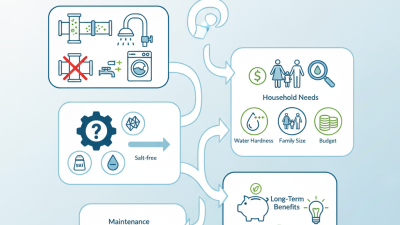
Start with your actual water conditions. A recent laboratory report can reveal hardness, total dissolved solids, iron, nitrate, and chlorine levels. Municipal water reports help, but they may not reflect water entering your kitchen tap. Well owners should test seasonally, especially after heavy rain. Small details matter.
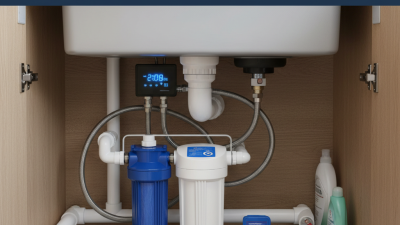
Look for independently verified performance, clear replacement schedules, and accessible technical support. Certifications such as NSF/ANSI standards can provide useful evidence, although certification does not guarantee perfect results for every household. Check recovery rate, wastewater volume, storage capacity, pressure requirements, and expected filter life. A crowded cabinet can make maintenance frustrating. Measure it first.
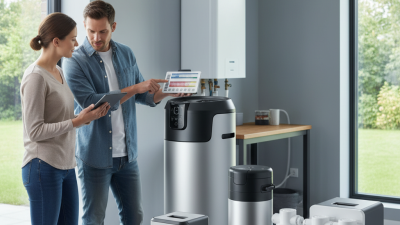
Consider your family’s daily consumption and plumbing layout. A household drinking heavily purified water may need faster membrane production and a larger tank. Hard water may also require a separate ion-exchange softener before the membrane. That setup can improve membrane life, but it increases salt use and maintenance. There is no universal best choice.
I have seen buyers focus on contaminant reduction while ignoring installation quality. That is an easy mistake. Compare verified test data, long-term operating costs, and service availability before deciding. Your water report should guide the purchase, not a dramatic advertisement.
Assess Your Water Quality and Household Needs
How to Choose a Reverse Osmosis Water Softener in 2026?
Assess your water before choosing equipment. A reverse osmosis system reduces many dissolved substances, while a softener mainly exchanges calcium and magnesium. They solve different problems. The U.S. Geological Survey identifies hardness as a widespread groundwater characteristic, but hardness itself has no federal health limit. This matters because cloudy glassware and metallic taste may not indicate the same risk.
Request a recent laboratory water report, not only a handheld meter reading. Test hardness, total dissolved solids, pH, iron, manganese, nitrate, and bacteria when appropriate. The U.S. Environmental Protection Agency lists secondary limits of 0.3 mg/L for iron and 0.05 mg/L for manganese. These levels mainly concern taste, staining, and appearance. The World Health Organization’s 2022 guidelines also stress that treatment choices depend on local water quality and household exposure. For private wells, annual testing is a practical baseline, though local conditions may require more frequent checks.
I would not rely on taste alone. It can be misleading.
Tips:
Match capacity to daily use, not house size alone. A two-person home may need different flow rates than a five-person home. Check peak demand, wastewater ratio, filter replacement costs, and installation space. Keep a written test record. A low-cost meter is useful for trends, but it cannot identify every contaminant. My own mistake would be choosing a system from one test result. Water can change seasonally. Recheck after heavy rain or plumbing changes.
Understand How Reverse Osmosis and Water Softening Work
Choosing a reverse osmosis water softener in 2026 starts with understanding two different jobs.
Reverse Osmosis
Reverse osmosis (RO) pushes water through a semipermeable membrane under pressure. The membrane can reduce dissolved salts, metals, fluoride, and many other contaminants. It also lowers calcium and magnesium, but it is not a complete plumbing softener.
Water Softening
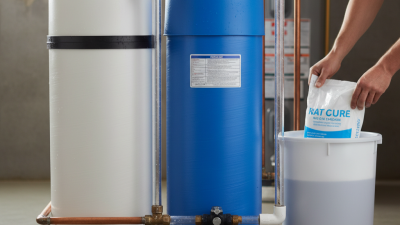
Water softening usually uses ion exchange resin. The resin captures hardness minerals and releases sodium or potassium instead. This prevents scale inside pipes, heaters, and showerheads.
Different mechanisms. Different maintenance.
Test Your Water Before Buying
Test your water before buying equipment. A laboratory report is more useful than a vague hardness strip. Check hardness, total dissolved solids, iron, manganese, pH, and microbial safety.
Hard Water
White rings on a kettle
High TDS
Salty or mineral taste
Low Pressure
A booster pump may be needed
RO water normally needs a storage tank, replacement filters, and adequate pressure. A softener needs salt or potassium, regeneration settings, and a drain connection. These details affect operating cost and wastewater. A low-pressure home may need a booster pump. Do not guess.
Choose the Right Application
For drinking water, a point-of-use RO unit may be enough. For whole-house scale control, a softener may be more practical. Using both can work when testing shows both needs, but it adds waste, space, and maintenance.
What to Look For
Look for independently verified performance claims and clear replacement schedules. Ask whether the system includes mineral balancing or remineralization after RO.
My checklist also includes service access, shutoff protection, and a realistic annual budget.
A practical caution: I would avoid choosing by “maximum filtration” alone. More treatment is not automatically better. One weakness remains: test results can change seasonally, so review them instead of treating one report as permanent.
Compare System Types, Features, and Filtration Performance
Choosing a reverse osmosis water softener in 2026 starts with separating two jobs. A softener exchanges calcium and magnesium for sodium or potassium. An RO membrane reduces dissolved salts, some metals, and other contaminants. They are not interchangeable. In home water assessments, I check hardness, TDS, pressure, and iron before comparing systems. A chalky kettle and a weak shower can indicate different problems.
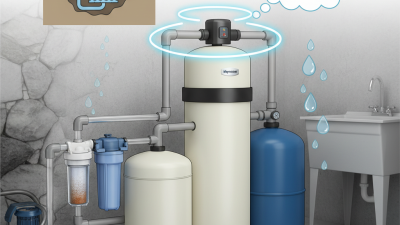
Point-of-use RO systems suit drinking and cooking. Whole-house RO treats every tap but needs more space, pretreatment, and drainage. A conventional softener paired with under-sink RO is often simpler. Salt-free conditioners may reduce visible scale, yet they do not truly soften water or lower TDS. That distinction matters. Check rated flow, wastewater ratio, tank capacity, and recovery time. A strong membrane cannot perform well with weak pressure or exhausted carbon filters.
Compare filtration stages, not stage counts alone. Sediment filters protect the membrane. Carbon filters reduce chlorine and odors. The RO membrane performs the main separation. A post-filter can improve taste. Look for independent test data, recognized safety standards, and clear replacement intervals. A permeate pump or pressure regulator may improve consistency when correctly sized. I once judged a system by purchase price and underestimated maintenance costs. That mistake changed my evaluation method. Oversized systems can waste water, while undersized units may disappoint during dinner. Neglected filters quietly reduce both water quality and confidence.
How to Choose a Reverse Osmosis Water Softener in 2026?
Typical filtration performance by system type
Reverse osmosis systems typically reduce dissolved solids and hardness by about 90–98%, while carbon filtration targets chlorine and organic compounds. A water softener is highly effective for hardness but does not meaningfully reduce total dissolved solids. Actual results vary with feed-water quality, membrane condition, pressure, temperature, and maintenance.
Plan for Maintenance, Replacement Filters, and Long-Term Costs
Choosing a reverse osmosis water softener in 2026 means pricing more than the cabinet. RO reduces dissolved contaminants, while a softener protects plumbing from hardness minerals. Some units combine both functions, but their filters and service schedules differ.
Ask for a written water analysis before buying. Test hardness, iron, chlorine, and pressure. This prevents paying for treatment you may not need. A qualified technician should explain the results in plain language.
Plan filter changes before installation. Sediment and carbon cartridges often need replacement every six to twelve months. Water use and quality can shorten that interval.
The RO membrane may last two to five years, but poor prefiltration can reduce its life. Softener resin usually lasts longer. Iron and incorrect regeneration settings can damage performance.
Keep a dated service log. A cloudy glass, slow flow, or unusual taste can signal trouble. I would not trust an indicator alone. Sensors can fail.
Long-term cost includes replacement parts, salt, regeneration water, electricity, leak protection, and labor. Check filter prices, availability, and warranty terms early.
A cheaper system can become expensive when custom filters are difficult to find. Choose accessible housings under the sink. Leave room for a shutoff valve and a dry towel beneath connections.
Retest water annually if the source changes. I have seen households delay membrane replacement to save money, then waste water and lose pressure.
It seemed economical at first. It was not. Ask for a five-year maintenance estimate, not just a purchase price.