How to Choose the Best Under Sink Water Softener for Your Home?
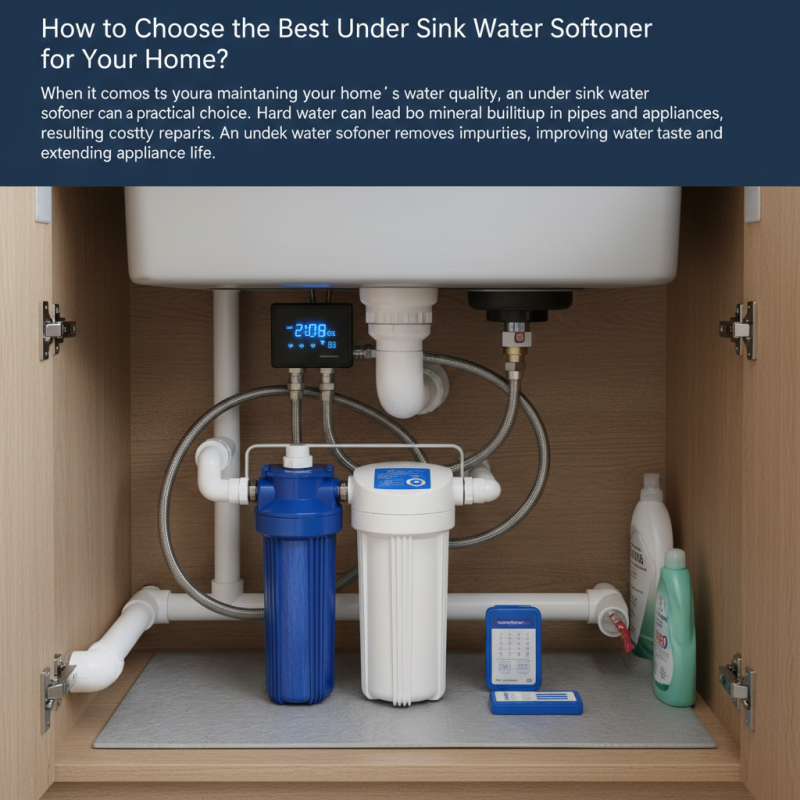
When it comes to maintaining your home's water quality, an under sink water softener can be a practical choice. Hard water can lead to mineral buildup in pipes and appliances, resulting in costly repairs. An under sink water softener removes impurities, improving water taste and extending appliance life.
Choosing the right under sink water softener requires careful consideration. Not all softeners are the same. Some models may not effectively address your specific hard water issues. It's essential to assess your water's hardness level and flow rate. You may find yourself overwhelmed by the options available, and that’s okay.
Look for features that fit your lifestyle. Do you need a compact design for a small kitchen? Are you concerned about maintenance? The goal is to find a product that meets your needs. Sometimes, it may take trial and error. Remember, the right under sink water softener can make a difference in your daily life.
Understanding the Basics of Under Sink Water Softeners
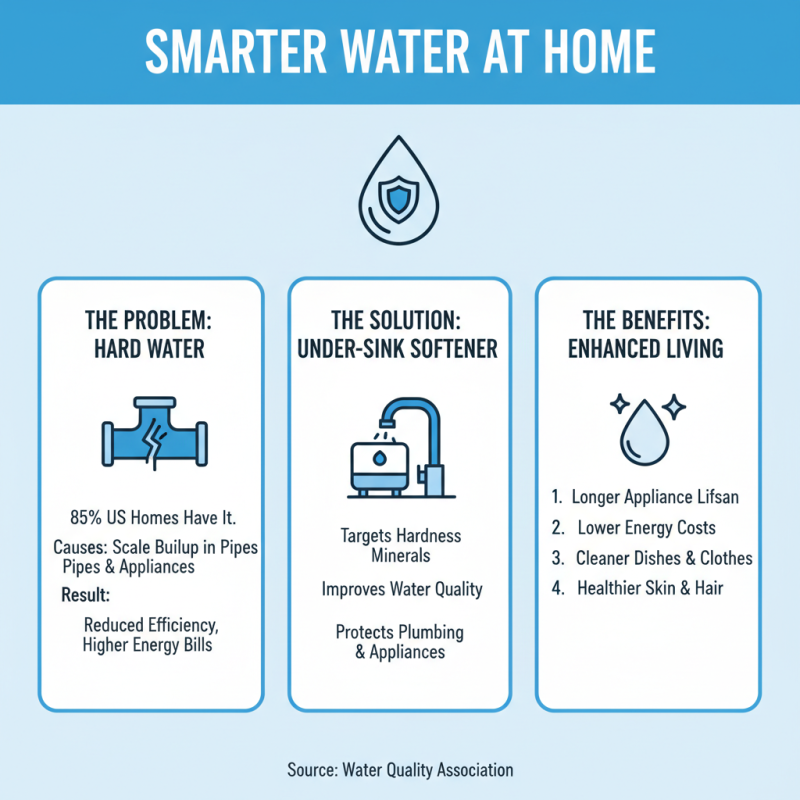
Under sink water softeners play a crucial role in improving water quality. They specifically target hard water issues. Hard water can cause scale buildup in pipes and appliances. According to the Water Quality Association, about 85% of U.S. households have hard water. This leads to reduced appliance efficiency and higher energy costs.
Understanding how under sink water softeners work is essential. These systems typically use ion exchange technology. This process removes calcium and magnesium ions from water. Research from the Soft Water Institute shows that softened water can improve soap lather and reduce detergent use by up to 50%. This reduction is beneficial for both your wallet and the environment.
However, not all under sink water softeners are ideal for every home. Some systems require frequent maintenance. If you forget to replace the salt, your softener will not function effectively. Also, installation can be challenging for some users. Evaluating your specific needs is crucial. Understanding your water's hardness level can guide your choice. Regular testing is essential to ensure optimal performance.
Key Factors to Consider When Choosing a Water Softener
When choosing an under sink water softener, several key factors come into play. The size of the unit is critical. A compact model can fit snugly under your sink. However, ensure it provides sufficient capacity for your household needs. Too small a unit may lead to insufficient softening, a problem that often results in hard water issues even with a new system.
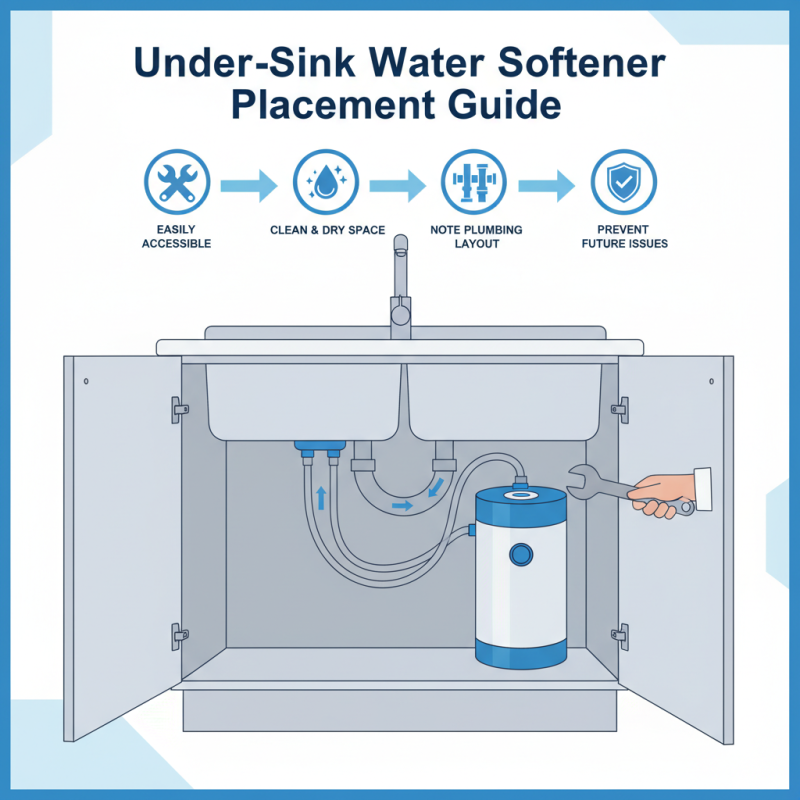
Water hardness is another crucial aspect. Testing your water can reveal its hardness level. This measurement guides you in selecting the most effective system. Additionally, consider your plumbing setup. Compatibility with your existing pipes is essential. If adjustments are needed, they might add extra costs.
Lastly, the maintenance of the unit cannot be overlooked. Some systems require frequent salt refills or filter changes. This ongoing commitment can be daunting. Sometimes, it’s easy to forget maintenance schedules, leading to performance drops. Think about how each factor aligns with your lifestyle. A solid choice means fewer headaches down the line. Take your time to weigh these details carefully.
How to Choose the Best Under Sink Water Softener for Your Home? - Key Factors to Consider When Choosing a Water Softener
| Factor |
Description |
Importance Level (1-5) |
| Size |
Ensure the unit fits under your sink and meets your household's water demand. |
5 |
| Water Hardness |
Measure the hardness of your water to select a softener that effectively addresses it. |
5 |
| Regeneration Type |
Choose between manual, semi-automatic, or automatic regeneration for convenience. |
4 |
| Capacity |
Consider the softening capacity in grains to match your household's usage. |
5 |
| Maintenance |
Evaluate how often the system requires maintenance and salt replenishment. |
4 |
| Cost |
Consider both upfront costs and long-term operating costs of the system. |
4 |
| Warranty |
Check the warranty terms to understand the coverage duration and conditions. |
3 |
Types of Under Sink Water Softeners: Which One is Right for You?
Choosing an under sink water softener can be challenging. Various types each have unique advantages and scenarios where they excel. Knowing these can help you make the right choice.
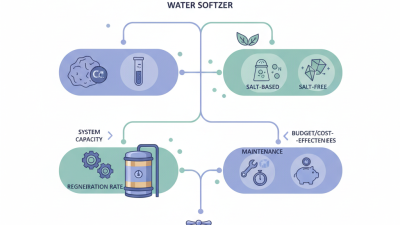
One common type is the salt-based water softener. This device uses sodium ions to replace hard minerals. It’s effective for heavy water hardness. However, it does require regular maintenance and salt refills. Think about your willingness to handle this. If maintenance isn't ideal for you, consider alternatives.
Another option is a salt-free water conditioner. It doesn’t actually soften the water. Instead, it prevents mineral build-up. This can be easier to maintain. Yet, it might not work as effectively in highly mineralized water.
**Tips:** Measure your water hardness before buying. Testing kits are usually affordable. This helps pinpoint the type that suits your needs best. Consider your space as well. Not all systems fit under every sink. Don't rush your decision; evaluate each option thoughtfully.
Comparative Analysis of Under Sink Water Softeners
This chart displays a comparative analysis of various types of under sink water softeners based on their effectiveness ratings. Each type is rated on a scale from 1 to 10, providing insights to help you choose the best option for your home.
Evaluating Cost and Warranty Options for Water Softeners
When evaluating cost and warranty options for water softeners, it is crucial to look beyond just the upfront price. A 2021 report indicated that the average cost of an under sink water softener ranges from $400 to $2,000. However, this investment often pays off over time by prolonging the lifespan of plumbing and appliances. Hard water can cause significant wear. If you replace fixtures or appliances sooner than expected, the initial savings can vanish quickly.
Warranty options vary greatly among different models. Many water softeners come with a warranty lasting from one year to a lifetime. A comprehensive warranty typically covers both parts and labor. A 2023 industry survey found that 45% of buyers regretted not considering warranty terms before purchase. This oversight can lead to higher maintenance costs later.
Assessing the total cost of ownership is essential. While an inexpensive model may seem appealing at first, maintenance and parts could add up. Spent money on repairs can be frustrating. It’s better to opt for a model with a solid warranty, even if it’s a bit more expensive upfront. Quality often outweighs cost. Consider your specific needs, and don't overlook these critical factors.