How to Choose the Right Water Softener System for Well Water?
Choosing the right water softener system for well water can feel overwhelming. With so many options available, it’s crucial to understand your specific needs. The quality of well water often varies significantly, and identifying the right system requires careful consideration.
When testing your well water, pay attention to mineral levels. Hard water typically contains high levels of calcium and magnesium. A suitable water softener system for well water will effectively reduce these minerals. Look for systems that meet your household's water usage needs.
It’s important to remember that not every system is perfect. Some may require frequent maintenance, while others might not remove all impurities. Be prepared to evaluate your choices and determine the best fit. Don’t overlook the significance of a reliable vendor who can offer ongoing support. Making an informed decision will lead to better water quality and a more comfortable living environment.
Understanding the Need for a Water Softener for Well Water
Well water often comes with a unique set of challenges. One of the most pressing issues is hard water. Hard water is a common problem in many areas, affecting the quality of everyday life. Minerals like calcium and magnesium accumulate in the water. They create scale buildup in pipes and appliances, leading to costly repairs and replacements.
Understanding the need for a water softener is essential for well water users. Softened water improves the efficiency of appliances and enhances the effectiveness of soaps and detergents. You’ll notice cleaner dishes and brighter laundry. However, not every home needs a water softener. Some may find that the benefits do not outweigh the costs.
Consider your water test results carefully. Test for hardness levels and other contaminants. This information guides your decision. It’s also wise to reflect on your household needs. A large family might require a different solution than a single homeowner. Making informed choices ensures you get the right system for your situation.
Assessing Water Quality: Testing Your Well Water for Hardness
Testing your well water for hardness is crucial. Hard water can damage plumbing and appliances. It also affects soap and detergent effectiveness. Start by collecting a water sample in a clean container. Make sure the container is free of contaminants. You can send this sample to a lab for analysis.
Look for signs of hard water, such as soap scum or mineral buildup. Observing these issues can prompt further testing. Hardness is measured in grains per gallon or parts per million. Knowing these values helps determine the right water softener system.
Consider testing at different times of the year. Seasonal changes can affect water composition. If tests reveal high hardness levels, reflect on your water usage habits. You may need to adjust your system accordingly. Keep in mind that not all water softeners tackle every issue. Testing is the first step to finding the best solution.
How to Choose the Right Water Softener System for Well Water?
| Water Quality Parameter |
Recommended Levels |
Testing Method |
Impacts of High Levels |
| Calcium (Ca) |
0 - 60 mg/L (soft), 60 - 120 mg/L (moderate) |
Water Test Kit or Laboratory Analysis |
Scale buildup, plumbing issues |
| Magnesium (Mg) |
0 - 30 mg/L (soft), 30 - 60 mg/L (moderate) |
Water Test Kit or Laboratory Analysis |
Skin irritation, bitter taste |
| Sodium (Na) |
0 - 20 mg/L (acceptable) |
Water Test Kit |
Health issues for certain populations |
| Iron (Fe) |
0 - 0.3 mg/L (acceptable) |
Water Test Kit |
Staining, unpleasant taste |
| Manganese (Mn) |
0 - 0.05 mg/L (acceptable) |
Water Test Kit |
Staining, can affect flavor |
Types of Water Softeners: Salt-Based vs. Salt-Free Options
When choosing a water softener for well water, understanding the type is crucial. Salt-based water softeners are popular for their effectiveness. They use sodium to remove hard minerals like calcium and magnesium. This method can improve the taste of water and prolong the life of appliances. However, some people find the salty taste unappealing. Maintenance can also be a burden, as salt levels need regular checking.
On the other hand, salt-free options are an emerging trend. They don’t soften water in the traditional sense but instead prevent minerals from bonding. This can reduce scale buildup in pipes. Many prefer this method for its eco-friendliness. Yet, some users report that the performance may not meet expectations. They might still notice some scale over time. Choosing the right system often requires careful consideration of personal needs and preferences. Would you benefit more from complete softness or a low-maintenance alternative?
Comparison of Salt-Based and Salt-Free Water Softeners
This chart compares the effectiveness and maintenance requirements of salt-based and salt-free water softeners. The data reflects common user experiences and maintenance costs associated with each type.
Key Features to Consider When Choosing a Water Softener
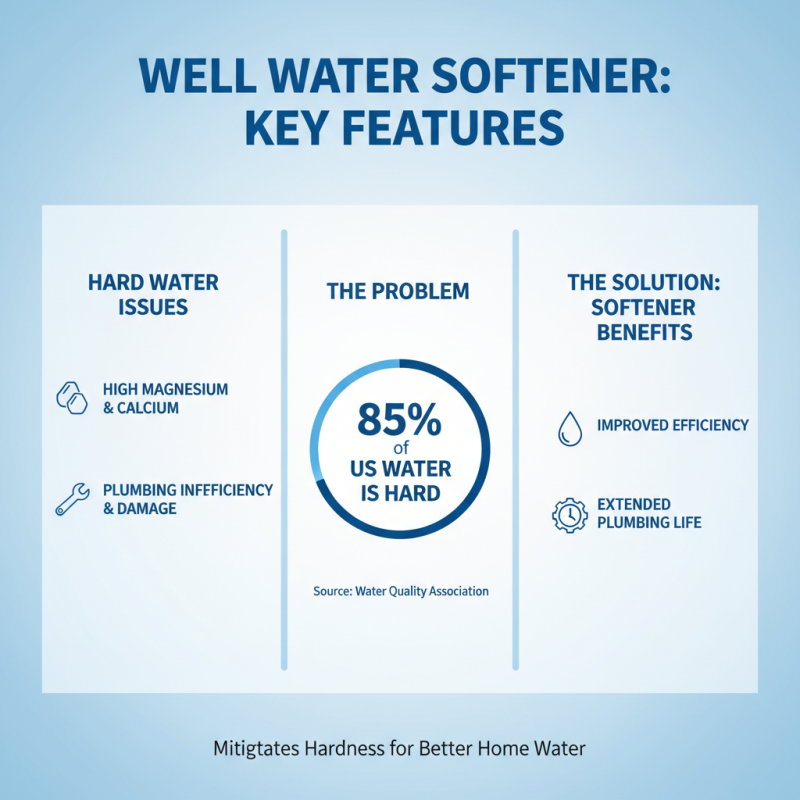
Choosing the right water softener for well water involves several key features. Hard water can contain high levels of magnesium and calcium. According to the Water Quality Association, about 85% of water in the U.S. has some level of hardness. A water softener mitigates these issues, improving both efficiency and longevity of plumbing systems.
One crucial aspect to consider is the capacity of the water softener. Systems are measured in grains per day. Homes with high water usage may require units with capacities over 30,000 grains per day. Smaller systems may not keep up, leading to inefficient softening. Additionally, monitor regeneration processes. Some systems regenerate based on a timer, while others do so based on actual water usage. This can significantly affect efficiency and water quality.
Also, take note of salt usage. The average water softener uses about 6-8 pounds of salt per regeneration cycle. If you have more than 30 grains per gallon of hardness, you may need to adjust your salt settings. Frequent salt refilling could become a tedious chore. Finally, consider the maintenance. Some softeners require regular cleaning and cartridge replacements. Not all users are diligent about upkeep, which can lead to issues.
Installation and Maintenance Tips for Well Water Softeners
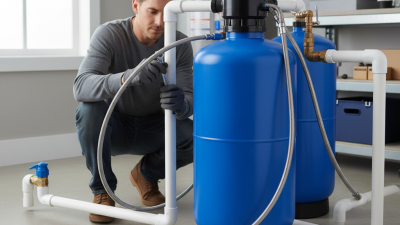
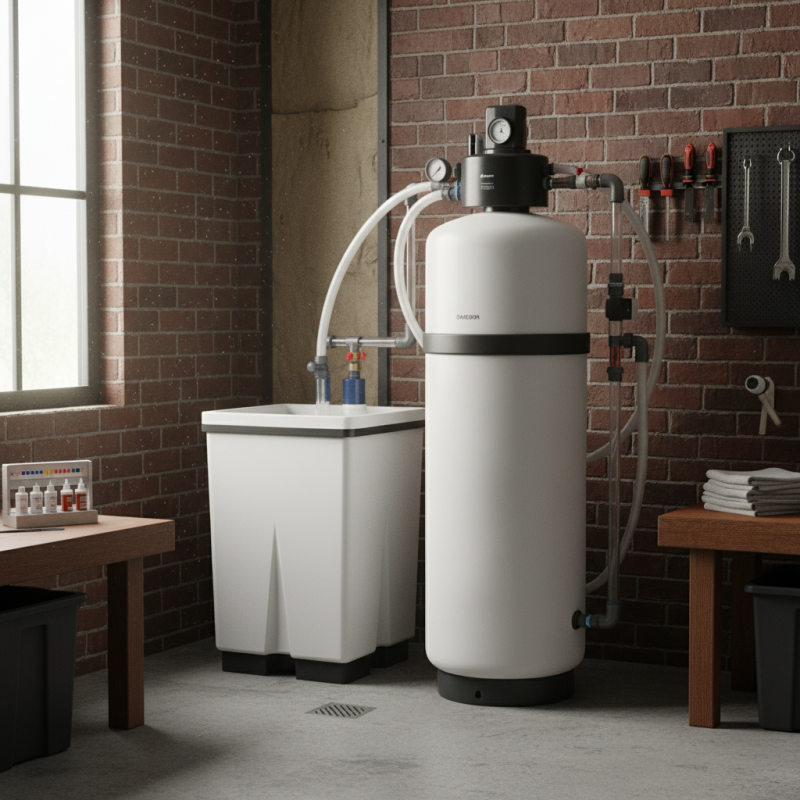
When dealing with well water, proper installation of a water softener is crucial. Begin by ensuring the system is connected to the main water line. This allows all the water in your home to be treated. Check for any leaks. A small leak can be a big problem over time. Use Teflon tape on threaded connections to seal them properly.
Regular maintenance is key to keep your water softener running smoothly. Check the salt level in the brine tank monthly. If it is low, the system won't soften the water effectively. Clean the resin beads as needed. Sometimes, they can become clogged with iron and other impurities. This can affect efficiency. Consider a periodic deep clean to ensure optimum performance.
Don't forget about testing your well water regularly. Changes in mineral composition can affect how well your softener works. Keep an eye on the output water’s hardness. You may need to adjust your settings from time to time. Ignoring these details can lead to unexpected problems. It's important to reflect on these aspects regularly.