7 Tips for Choosing the Best Clay Litter for Your Business
Choosing the right Clay Litter can shape customer satisfaction, storage costs, and repeat orders. A product that looks economical on a quotation may create more dust, waste, or complaints once it reaches the shop floor. The details matter. Grain size, absorption, clumping strength, packaging, and delivery consistency all deserve a close look.
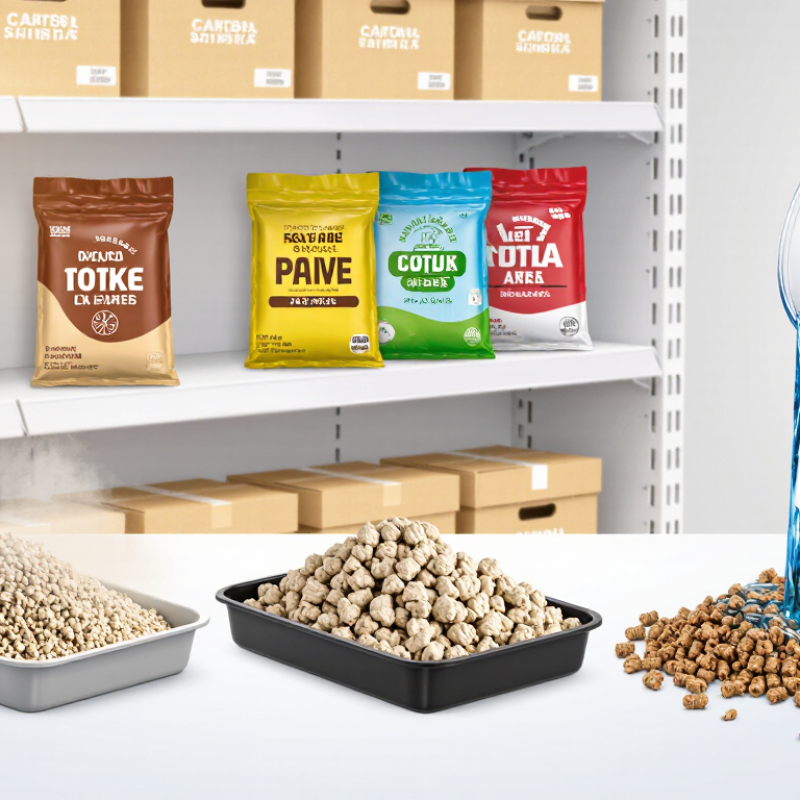
Clay Litter purchasing adviser Daniel Hart puts the decision this way: “A good litter choice works in the bag, on the shelf, and in the customer’s home.” Use that principle to guide this outline’s seven tips. Compare samples under realistic conditions: pour them into a tray, check how much dust rises in the light, and note whether clumps hold together during scooping. Ask suppliers for clear product specifications and stable supply information. A polished sample is not the whole story.
There is no perfect option. A low-dust formula may cost more, while a budget product may suit customers with different priorities. Your customer base matters. Consider package sizes, shelf space, local demand, and how quickly stock can be replenished. Test more than one batch when possible; even a careful trial has limits. These seven tips will help your business weigh product performance, supplier reliability, and value without relying on one impressive claim. A little scrutiny now can prevent an avoidable mismatch later.
Define Your Customer Base: APPA Reports 46.5M U.S. Cat-Owning Homes
APPA reports that 46.5 million U.S. homes own cats. That figure signals a substantial audience, but it does not reveal which litter those households prefer. For a clay-litter business, treat it as market context, not a sales forecast. Customer needs vary by budget, household size, storage space, and replacement routine.
Define your likely buyer before setting product specifications. Someone in a small apartment may value a compact, easy-to-carry bag. A multi-cat household may focus more on odor control and frequent replenishment. Ask local retailers what shoppers compare, and review repeat-purchase patterns where available. Test dust, clumping, and bag weight under consistent conditions. Don’t overpromise.
Tip: Survey a modest sample of cat owners in your target area. Ask which features matter, what bag size fits their storage, and what price feels reasonable. Start small. Record answers without assuming one strong opinion represents everyone. I would revisit the customer segment after launch; the national ownership figure is useful, but local evidence should guide inventory.
Compare Clay Types: Sodium Bentonite Clumps; Calcium Bentonite Typically Does Not
Do not treat “bentonite” as a performance promise. Sodium bentonite absorbs liquid and swells, usually forming a scoopable clump. Calcium bentonite typically swells less, so it may produce a weak clump or none at all. Some calcium-based products are processed or blended, however, and can behave differently. Test before ordering in bulk. A small tray trial can reveal whether wet litter lifts cleanly or crumbles across the scoop.
The U.S. Geological Survey’s Mineral Commodity Summaries 2024 estimated U.S. bentonite mine production at 4.8 million metric tons in 2023. That figure describes supply, not litter performance. Ask suppliers to identify the clay type and disclose any sodium activation or additives.
Then compare equal litter weights using the same liquid volume, tray depth, and waiting time. Record clump strength, residue, dust, and how much dry litter sticks to the wet mass. I would not trust one tidy sample; results can shift with moisture and handling. Make the comparison again with a fresh batch.
Measure Dust, Absorption, Clump Strength, and Odor Control Before Buying
Dust, absorption, clump strength, and odor control should be tested under the same conditions. A scoop poured from waist height can reveal more airborne dust than a label claim. For a fair comparison, weigh equal portions, use the same tray, and record visible dust or readings from a particle monitor. Small details matter. Repeat the test with each delivery batch; mineral sources can vary.
For absorption, weigh dry litter, add a measured amount of water, then weigh the remaining liquid or wet material. Check clumps after a fixed wait, such as ten minutes, and lift each with the same scoop. Does it hold together, or crumble across the tray? There is no universal pass mark for every business, so set one based on cleanup time and waste. I would also test again after a busy day, not just with a fresh tray.
Odor control needs a controlled check. Use equal waste samples, identical ventilation, and timed observations; an ammonia meter can add objective readings. Never rely on scent alone. The American Pet Products Association’s 2024 State of the Industry report recorded $147 billion in U.S. pet-industry spending for 2023. That figure does not prove litter quality, but it shows the scale of the market where repeatable service matters. Keep a simple score sheet. It may feel fussy, but inconsistent testing can cost more later.
Check Safety Data, Product Labels, and Supplier Quality Documentation
A litter’s appearance cannot confirm its safety profile. Read the safety data sheet (SDS), then compare it with the product label. OSHA’s Hazard Communication Standard uses a 16-section SDS format, covering hazards, handling, storage, and composition. Check that the document matches the exact clay type and product grade you plan to buy. Small print matters. Look for dust-control guidance, exposure precautions, storage conditions, and a clear supplier contact. If the label and SDS describe different ingredients or precautions, pause and request clarification before ordering.
Labels should also identify the product grade, net weight, batch or lot code, and intended use. Ask suppliers for recent certificates of analysis, particle-size ranges, moisture specifications, and batch traceability records. These documents help you compare shipments, not just samples.
The American Pet Products Association’s 2023–2024 National Pet Owners Survey reported 46.5 million U.S. cat-owning households, underscoring the scale of the market businesses may serve. That figure does not prove a particular litter is safer or better.
A practical oversight is relying on a polished sample while skipping the paperwork for later batches. Request documents tied to the shipment, and check whether dates, product codes, and test methods align. If a supplier cannot explain a missing result plainly, that uncertainty deserves attention.
Evaluate Market Potential Against APPA’s $147B U.S. Pet Spending in 2023
APPA reported $147 billion in U.S. pet spending in 2023, a striking sign of the sector’s scale. It does not mean clay litter captured that amount. Treat the figure as context, not a sales forecast. Before ordering pallets, check local pet ownership, competing shelf prices, and customer reviews. Ask independent retailers which package sizes move steadily. Small tests beat confident guesses.
Clay litter can appeal to buyers seeking familiar, easy-to-find options, but its weight affects freight and storage costs. Compare landed cost per usable pound, not just the supplier’s quoted price. Check whether bags resist tearing and whether fine dust escapes during pouring. Details matter.
A sample poured into a standard tray can reveal tracking, clumping, and cleanup issues that a product sheet may miss. Keep notes, even if the results feel ordinary.
Set a modest pilot budget and track repeat purchases, returns, and gross margin for each size. A lower shelf price may attract trial, yet leave little room after delivery and retailer costs. Be candid about what you do not know: one month of sales cannot prove lasting demand. Review results by neighborhood and season, then adjust the next order rather than tying up cash in excess inventory.