2026 How to Choose the Best Hard Water Softener System for Your Home?
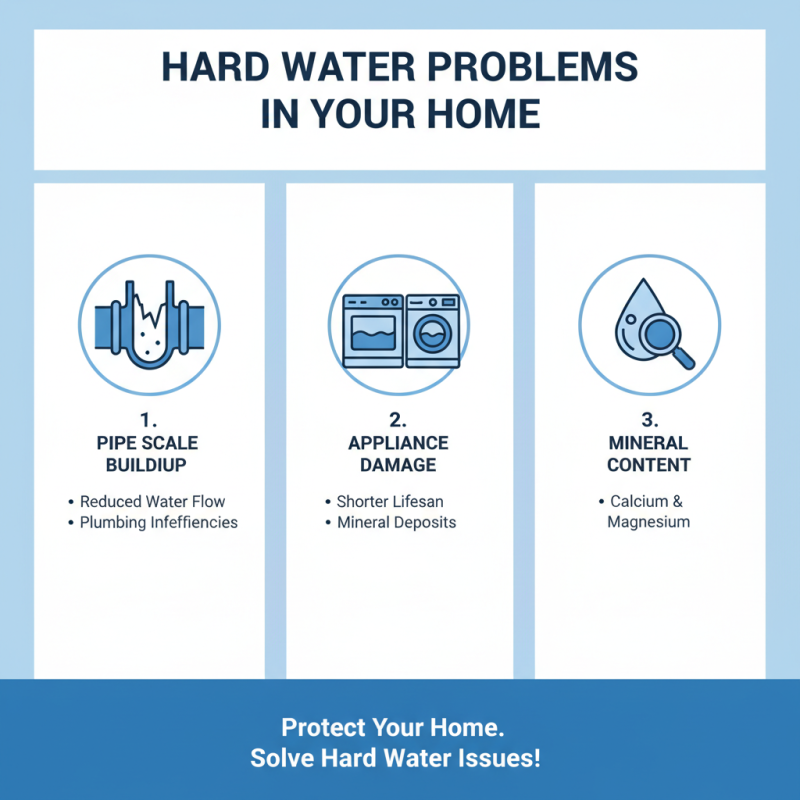
When it comes to home maintenance, water quality plays a crucial role. A hard water softener system can significantly improve your daily life. Hard water often brings challenges. It can lead to scale buildup in pipes, reducing water flow and efficiency. It affects appliances, too.
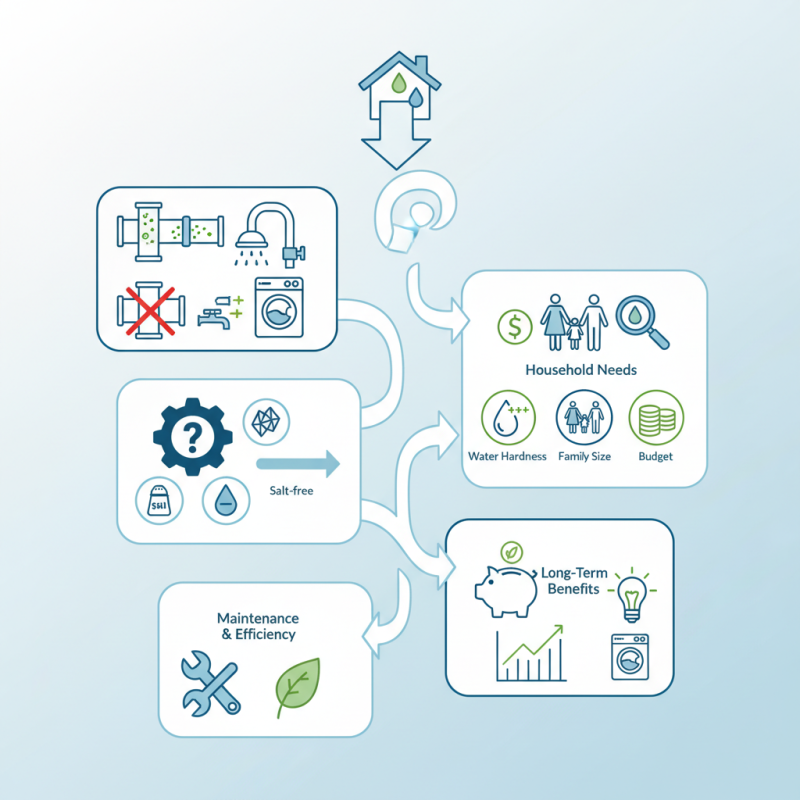
Selecting the right hard water softener system for your home requires careful consideration. There are many options available on the market. You might feel overwhelmed by choices. Each type of system has its pros and cons. For instance, some systems use salt while others are salt-free. Understanding your household needs is essential.
Look for factors like water hardness, family size, and budget. Don’t forget to consider maintenance and efficiency. Investing in a hard water softener system can have long-term benefits. It can save you money on repairs and increase appliance lifespan. So, take your time, research, and make an informed choice for better water quality.
Understanding Hard Water and Its Effects on Your Home
Hard water can create several issues in your home. The high mineral content, primarily calcium and magnesium, can lead to scale buildup in pipes. This buildup affects water flow, causing plumbing inefficiencies. Hard water also impacts appliances. Consider your dishwasher and washing machine. They may wear out faster due to mineral deposits.
In addition to appliances, hard water affects your skin and hair. Many people notice that skin feels dry after a shower. Hair may appear dull and lifeless. The minerals can interfere with soap and shampoo, making them less effective. It might even lead to more frequent use of skincare products, which can be costly.
You might also see unsightly stains on dishes and fixtures. These stains are annoying and can be tough to remove. Regular cleaning may not always solve this problem. Reflecting on these issues might push you to consider a water softener. Choosing the right system can greatly improve your home’s water quality. A little awareness can go a long way.
Types of Hard Water Softeners: Ion Exchange, Reverse Osmosis, and More
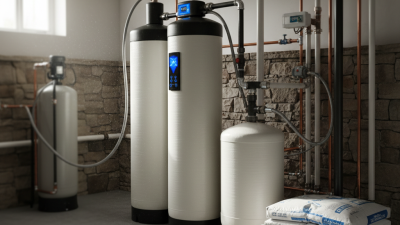
When selecting a hard water softener, understanding the different types is crucial. Ion exchange systems, for instance, are quite popular. They trade hard minerals like calcium and magnesium for sodium. This process effectively reduces scale buildup in pipes and appliances. However, these systems can require regular salt refills. Some might find this maintenance cumbersome.
Reverse osmosis is another option. This method filters water through a semi-permeable membrane. It removes not just hardness, but also contaminants. Many customers appreciate the quality of water it provides. Still, it can be slow and wasteful, producing a significant amount of wastewater. It's essential to reflect on your usage needs and maintenance preference.
There are also other solutions, like salt-free systems. While they don’t soften water in the traditional sense, they can prevent scale. Their efficiency can be debated, but some homeowners favor their low upkeep. Choosing the right system is not straightforward. It’s a balance of effectiveness, cost, and personal preference. Consider your lifestyle and water usage patterns before deciding.
Key Factors to Consider When Selecting a Hard Water Softener
When selecting a hard water softener, several key factors demand your attention. Begin with water hardness levels. Use a test kit to measure calcium and magnesium concentrations. This will help you choose a system capable of handling your specific needs. Consider the size of your household. Larger families require more capacity. Smaller units might be inadequate for heavy daily usage.
Another important aspect is the technology used in the softener. Salt-based systems are common but may have drawbacks, like increased sodium levels in drinking water. Alternatively, salt-free options present a different solution. These use a process called template-assisted crystallization. They don’t remove minerals but alter them, preventing scale buildup. The efficiency of these systems contributes to overall effectiveness.
Cost is often a concern. While a higher initial investment may appear daunting, consider long-term benefits. A reliable system reduces appliance wear and lowers energy costs. Look at maintenance requirements as well. Some units require regular salt refills while others need less frequent attention. Take time to weigh these details carefully. Your choice will have lasting impacts.
2026 How to Choose the Best Hard Water Softener System for Your Home?
| Feature |
Importance |
Considerations |
Average Cost Range |
| Type of Softener |
High |
Salt-Based, Salt-Free, Dual Tank |
$400 - $2,500 |
| Water Hardness Level |
High |
Test your water hardness in gpg (grains per gallon) |
N/A |
| System Size |
Medium |
Flow rate and household size |
$600 - $1,800 |
| Maintenance Requirements |
Medium |
Frequency of salt replacement, cleaning |
$50 - $150/year |
| Energy Efficiency |
Medium |
Look for EPA certifications |
Varies |
| Warranty |
High |
Duration and coverage details |
N/A |
Sizing the Right Hard Water Softener for Your Household Needs
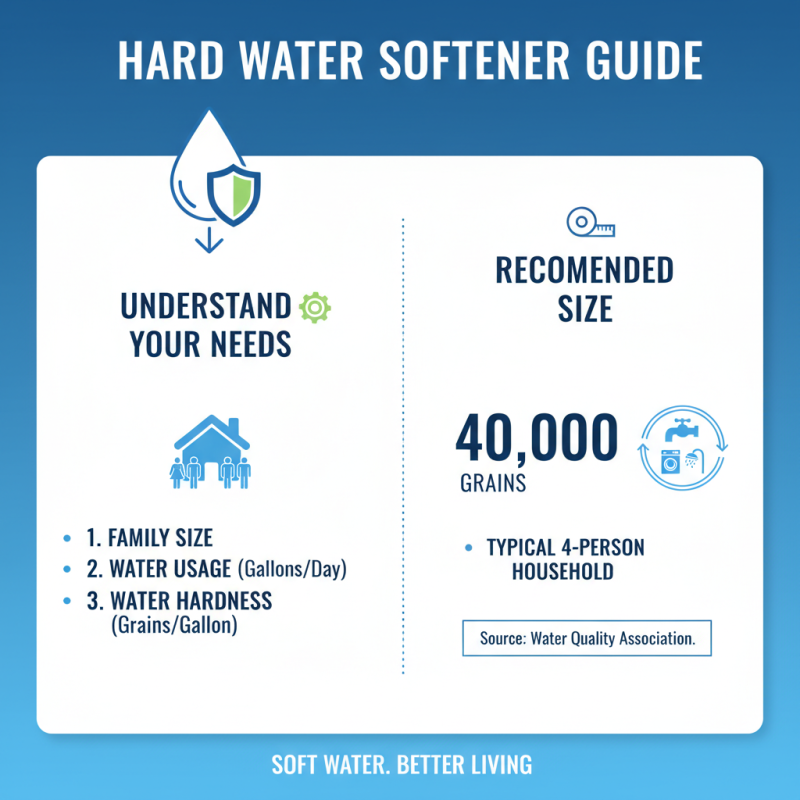
Choosing the right hard water softener starts with understanding your household needs. Sizing a system according to your family size and water usage is crucial. Reports from the Water Quality Association indicate that households of 4 people typically need a softener that handles about 40,000 grains. This capacity often caters to everyday needs like washing, cooking, and bathing.
It’s important to consider peak water usage times. A large family might require a system that regenerates more frequently. Smaller households often overlook this detail and may end up with systems that are oversized, leading to unnecessary salt and water waste. An incorrect size can lead to inefficient softening, resulting in hard spots on fixtures and increased build-up in plumbing.
Assessing your water hardness level is also vital. Testing kits can help determine this. Many Americans experience water with hardness levels between 10 and 20 grains per gallon. Ignoring this aspect can cause frustration later. Balancing the size with hardness levels ensures you get the desired results—a softer, cleaner water experience without embarking on an expensive trial-and-error process. Doing it right from the beginning saves time and money.
Maintenance Tips for Ensuring Optimal Performance of Your System
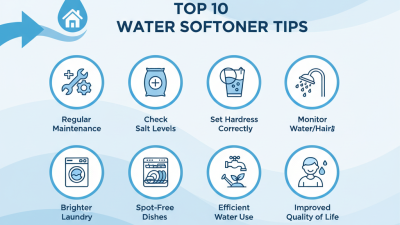
Maintaining your hard water softener system is crucial for optimal performance. Regular maintenance can prolong its life and efficiency. One essential tip is to check the salt levels frequently. Low salt can lead to poor softening. Refill it as needed, but avoid overfilling.
Cleaning the brine tank is another key task. Sediment build-up can affect performance. Aim to clean it at least once a year, but this may vary. Always consult your manual for specific cleaning guidance. Ignore the manual? You might find unexpected problems later.
Testing your water hardness regularly is also important. If the water feels hard again, it may indicate a problem. Adjust settings or call a professional. Keep in mind that not all problems are easily fixable. Sometimes, you may need to reassess your system altogether. Regular checks can help avoid costly repairs in the future.