How to Choose the Best Home Water Treatment System
Choosing the best home water treatment system begins with understanding the water entering your home. Clear water is not always safe water. It may contain chlorine, lead, nitrates, bacteria, or excessive minerals that remain invisible in a glass.
A reliable decision starts with a recent water quality report or an accredited laboratory test. Municipal supplies and private wells require different assessments. A certified water professional can explain confusing results and identify realistic treatment targets. Look for products tested against relevant NSF/ANSI standards, rather than trusting dramatic advertising claims. Certification does not solve every problem, but it provides useful evidence.
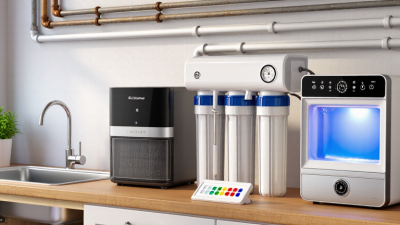
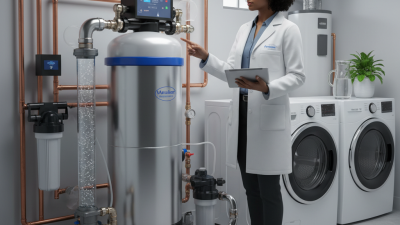
The right home water treatment system should match the contaminant, household size, plumbing design, and maintenance capacity. A countertop filter may improve drinking water at one tap. A whole-house system can address broader concerns, such as sediment or hard water. However, larger equipment often requires more space, installation work, replacement media, and ongoing expense.
Maintenance matters.
A neglected filter can reduce performance and create new concerns. Check replacement schedules, pressure changes, storage conditions, and warranty terms before purchasing. Real household habits also deserve attention. Someone who forgets filter changes may need a simpler system with clear reminders.
It is tempting to choose the most advanced model available. That choice may be unnecessary, or even poorly matched to the actual water problem. Careful testing, professional guidance, and honest cost comparisons create a stronger foundation. This guide explores those factors, while recognizing an important limitation: no single treatment method suits every home, budget, or water source.
Assess Your Home’s Water Quality and Treatment Needs
Choosing a home water treatment system starts with evidence, not taste or advertising. Water can look clear and still contain contaminants. The WHO/UNICEF Joint Monitoring Programme reported that 2.2 billion people lacked safely managed drinking water in 2022. That global figure does not diagnose your tap. It shows why assumptions are risky. In the United States, the CDC estimates that about 15% of residents use private wells. These households need regular laboratory testing because public reports may not cover them.
Request your utility’s latest Consumer Confidence Report. Then note changes at the faucet, including metallic taste, rotten-egg odor, orange staining, or chalky kettle scale. These clues guide testing, but they do not prove contamination. Test for local risks, such as lead, nitrate, arsenic, bacteria, hardness, and PFAS where relevant. The EPA’s 2023 estimate identified roughly 9.2 million lead service lines nationwide. Lead testing matters especially in older housing. Collect a first-draw sample and follow laboratory instructions precisely. Small sampling errors matter.
Match treatment to verified results. Activated carbon may reduce some chemicals and odors, while reverse osmosis can reduce several dissolved contaminants. Neither option is universal. Check independent certification, rated capacity, replacement intervals, and wastewater use. The CDC advises private-well owners to test at least annually, and after flooding or repairs. That schedule is easy to postpone. Retest after installation, because a new device can create false confidence when maintenance slips. Choose a system that fits your water report, household volume, and service habits—not merely your budget.
Compare the Main Types of Home Water Treatment Systems
Choosing the best home water treatment system starts with the contaminant, not the equipment’s appearance. The U.S. Environmental Protection Agency advises testing water before selecting treatment. Sediment filters remove visible particles, such as sand and rust, but they do not disinfect water. Activated carbon improves taste and can reduce chlorine, odors, and some organic chemicals. Check the exact reduction claim.
Small details matter.
Reverse osmosis offers broader reduction. EPA WaterSense reports that typical systems may discharge about five gallons of water for every gallon treated. That waste can be significant in dry regions. Reverse osmosis also removes minerals, which some households may not prefer. Ultraviolet systems can control microorganisms, but they need clear water and reliable electricity. They do not remove metals or chemicals. Water softeners target hardness, mainly calcium and magnesium, rather than unsafe contamination.
Use recognized standards when comparing products. NSF/ANSI 42 generally covers aesthetic effects, while NSF/ANSI 53 addresses specific health-related contaminants. NSF/ANSI 58 applies to reverse osmosis systems, and NSF/ANSI 55 covers ultraviolet treatment. The World Health Organization’s Guidelines for Drinking-water Quality lists 10 micrograms per liter as the guideline value for arsenic, showing why laboratory testing matters. A certified system can still perform poorly when cartridges are overdue or installation is careless. I would review maintenance costs, flow rate, wastewater, and independent test results before buying. The cheapest option may become expensive under the kitchen sink.
Match System Features to Your Water Source and Household Size
Choosing the best home water treatment system starts with your water source. A private well may contain sediment, iron, or naturally occurring minerals. Municipal water may need chlorine, lead reduction, or taste improvement. Test the water before choosing equipment. A certified laboratory can reveal problems that cloudy water cannot show.
I once focused on filter performance and overlooked daily water use. That mistake caused faster cartridge changes than expected. Match the system to your household size and peak demand. A two-person home may work well with a compact point-of-use filter. A larger family may need whole-house treatment with enough flow for showers, laundry, and cooking. Check the rated capacity, replacement schedule, installation space, and maintenance requirements. No system is perfect.
Tips: Compare your water report with independent test results. Measure available plumbing space before ordering. Ask how the system performs during peak use. Choose treatment for the actual contaminant, not a vague “clean water” promise. If your water changes seasonally, retest it. Keep records of filter changes and unusual odors. Small details matter. Also, do not ignore waste water, electricity needs, or storage tanks. A system that fits the test results may still feel inconvenient in a busy household. Reconsider the choice if maintenance seems too difficult to complete consistently.
Check Installation, Maintenance, Certification, and Operating Costs
Choosing a home water treatment system starts with the installation site, not the product brochure. Ask a qualified installer to test water pressure, inspect pipe size, and check drainage access. A narrow basement corner may not fit a storage tank, shutoff valve, and replacement filter comfortably. Measure the space.
Installation quality affects safety and performance. Connections should remain dry after several hours of use. The system should also include a clear bypass valve for maintenance or emergencies. Look for certification from an independent organization that evaluates material safety, contaminant reduction, and performance claims. Certification does not guarantee that every household will get identical results. Water chemistry varies.
Maintenance deserves a practical review. Ask how often filters, membranes, or other working parts need replacement. Set a reminder based on actual water use, not only the calendar. Read the fine print. Some systems need electricity, drain access, or periodic sanitation. Ignoring these tasks can reduce flow and create unpleasant odors.
Operating cost includes more than the purchase price. Compare replacement parts, electricity, wastewater, service visits, and expected lifespan. A low-cost filter may become expensive if it requires frequent changes. My first estimate would probably miss small costs, such as delivery fees or a technician’s return visit. Request a written estimate with installation and future maintenance listed separately. Check whether local water reports support the system’s claimed purpose, and keep test results for later comparison.
How to Choose the Best Home Water Treatment System
Compare installation, maintenance, certification requirements, and typical operating costs.
How to read this comparison
The figures are representative U.S. residential planning estimates in USD. Installation prices depend on plumbing changes, water conditions, capacity, and local labor rates. Annual maintenance includes routine filter, membrane, resin, or media replacement; operating cost covers consumables, salt, electricity, and water used during normal operation.
Before purchasing, verify that the exact model has independent certification for the contaminant you need to reduce. Common standards include NSF/ANSI 42 for aesthetic impurities, NSF/ANSI 53 for specific health-related contaminants, NSF/ANSI 58 for reverse osmosis systems, and NSF/ANSI 44 for residential water softeners.