How to Choose the Best Water Filter Systems for Your Needs?
Choosing the right water filter systems can feel overwhelming. With so many options available, how do you decide? The quality of your water directly impacts your health and well-being. It's crucial to have a reliable filtration system in your home.
When selecting water filter systems, consider your specific needs. Are you looking to remove heavy metals, chlorine, or bacteria? Each system serves different purposes. Research shows that impurities can vary widely based on your location. Understanding your local water quality is essential.
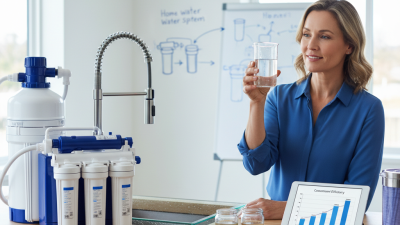
Experts recommend testing your water before purchasing a filter. This ensures you choose a system that effectively addresses your concerns. Reviews and ratings can also guide your decision. Look for systems that are certified for performance and safety. Remember, not all filters are created equal; some may leave behind unwanted contaminants. A little research can lead you to the best choice for clean, safe drinking water.
Understanding the Different Types of Water Filter Systems Available
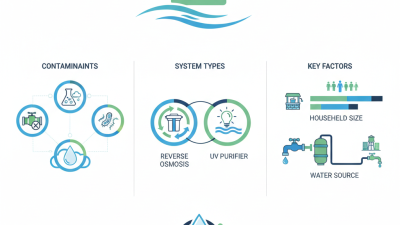
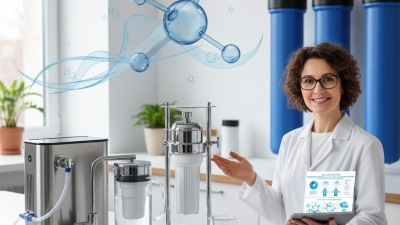
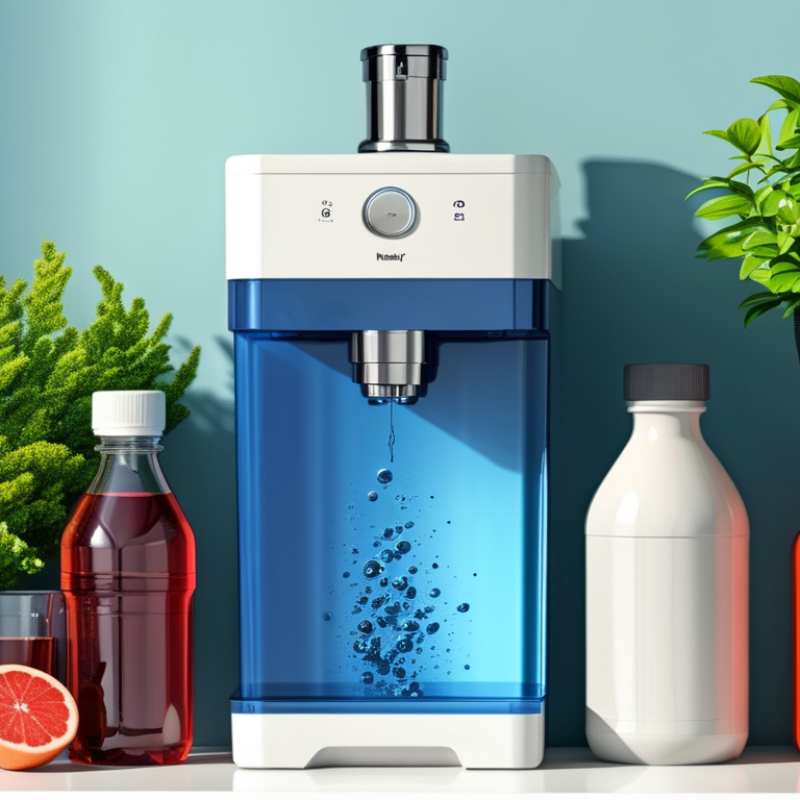
When choosing a water filter system, understanding the different types is crucial. There are four main categories: activated carbon filters, reverse osmosis systems, UV purifiers, and ceramic filters. Each type has unique features and benefits tailored to specific needs.
Activated carbon filters are common for improving taste and odor. They effectively remove chlorine and sediment. However, they may not eliminate all harmful contaminants. Reverse osmosis systems provide thorough filtration, removing a wide range of impurities. Yet, they can waste water during the filtration process. UV purifiers use ultraviolet light to kill bacteria and viruses. They are effective but require electricity. Ceramic filters are durable and effective in removing bacteria. They require regular cleaning for optimal performance.
Understanding your water quality is essential before selecting a system. Testing your water can reveal specific contaminants. Reflection on your daily usage can guide your choice. Consider how much filtered water you need and the space available for the system. Balancing these factors can lead to a more informed decision. Each option has strengths and weaknesses, and thorough research is necessary. This will ensure that you choose a solution that effectively meets your household's needs.
Evaluating Your Water Quality and Specific Contaminants
Evaluating your water quality is crucial before selecting a water filter system. Start by testing your water. Home water testing kits are readily available. They can detect common contaminants. Heavy metals, chlorine, and bacteria are key focus areas. Understanding what’s in your water allows you to choose a filter effectively.
Tips: Check for signs of contamination. Cloudy water, unusual tastes, or smells indicate issues. Don’t overlook local water reports either. They often reveal essential information about your water quality. Knowledge empowers better choices.
When assessing your needs, consider your household consumption. Smaller families might need simpler systems. In contrast, larger households may benefit from more advanced options. Take into account specific contaminants your tests reveal. This will help in finding the right filtration method. Research various filtration technologies, like activated carbon or reverse osmosis. Each serves different purposes and offers unique benefits.
Tips: Regularly re-test your water, especially after changes in plumbing or local conditions. This ensures your filter remains effective. The quality of your water changes over time; your filter needs to respond accordingly.
Water Contaminant Levels in Different Sources
Assessing Your Household Water Needs and Usage Patterns
When selecting a water filter system, understanding your household's water needs is crucial. The average American family uses about 300 gallons of water daily. This includes drinking, cooking, bathing, and cleaning. Studies show that more than 90% of Americans are concerned about contaminants in their drinking water. Identifying which contaminants are most prevalent in your area helps narrow down your options.
Consider your usage patterns. If you're a household of four, you'll need a system that can accommodate higher flow rates. Systems with a capacity of 10 gallons per minute are ideal for larger families. Additionally, if you're primarily concerned about lead or chlorine, specific filtration methods will be more effective. The Environmental Protection Agency estimates that lead can be present in over 10% of U.S. homes, emphasizing the need for targeted filtration.
Do not overlook maintenance requirements. Many systems require routine filter changes, impacting long-term costs and convenience. Pay attention to the lifespan of filters. Those needing frequent replacement may seem cheaper initially but can lead to higher expenses over time. Regularly assessing your needs and the local water quality will guide your choice toward a reliable water filtration system.
Comparing Costs and Maintenance Requirements of Water Filters
When considering water filter systems, comparing costs and maintenance is crucial. The initial price of a filter can vary greatly. Some systems require a larger upfront investment but may save you money in the long run. Others are inexpensive but may need regular filter replacements. Understanding your budget helps in making the right choice.
Maintenance can be a hassle. Some filters are easy to maintain, needing only occasional filter changes. Others have complex systems that require regular service. Choose a system that fits your lifestyle. If you're busy, a low-maintenance option might be best. Check the replacement costs too. Some brands have costly filters that can add up over time.
Reflect on your specific needs. If you have hard water, a more specialized filter could be necessary. Running costs vary widely among different models. Investing in a system that meets your needs today can prevent future issues. A bit of research pays off. Balancing initial costs with ongoing maintenance is key to a smart choice.
How to Choose the Best Water Filter Systems for Your Needs? - Comparing Costs and Maintenance Requirements of Water Filters
| Type of Water Filter |
Initial Cost ($) |
Annual Maintenance Cost ($) |
Filter Lifespan (months) |
Ease of Installation |
| Activated Carbon Filter |
50 |
25 |
6 |
Easy |
| Reverse Osmosis Filter |
200 |
100 |
24 |
Moderate |
| UV Filter |
150 |
60 |
12 |
Moderate |
| Whole House Filter |
500 |
150 |
36 |
Difficult |
| Pitcher Filter |
20 |
15 |
3 |
Very Easy |
Exploring Installation Options and Space Considerations for Filters
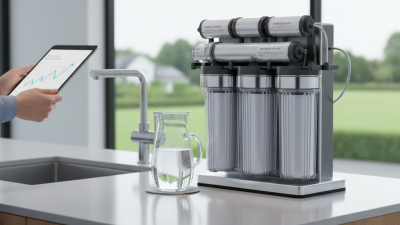
When choosing a water filter system, installation options and space considerations play a significant role. You need to assess your kitchen layout.
Under-sink filters save space but require cabinet room. Countertop models are easy to install but occupy valuable counter space. Think about your daily habits. If you often prepare meals, a countertop filter may disrupt your workspace.
Look at plumbing requirements, too. Some systems need professional installation, while others are DIY-friendly. Ensure your water pressure and flow rate meet the system's specifications. Local building codes might affect installation methods. Not everyone is handy, and that could complicate things. If you're unsure, consulting a plumbing expert can be beneficial.
Consider aesthetic factors as well. The filter should blend with your kitchen. A bulky design can clash with modern decor. Finally, think about future needs. Is your family growing? Will you need more capacity soon? These questions can guide your choice effectively. Remember, the best filter is one that fits seamlessly into your life.