How to Choose Water Purification Systems in 2026?
Choosing water purification systems in 2026 requires more than comparing prices, filter counts, or polished product photos. The right choice begins with the water entering your home. A private well may contain iron, manganese, or bacteria. Municipal water may carry chlorine taste, lead risks, or aging-pipe concerns. Test first.
The WHO/UNICEF Joint Monitoring Programme reported that 2.2 billion people lacked safely managed drinking water in 2022. The WHO Guidelines for Drinking-water Quality also emphasize health-based targets, monitoring, and risk management across the entire supply chain. These findings make purification a practical household decision, not merely a technology purchase. As Dr. Maria Neira of the World Health Organization states, “Water, sanitation and hygiene are fundamental to human health and well-being.”
Look for systems certified against relevant NSF/ANSI standards, then match the technology to verified contaminants. Activated carbon can improve taste and reduce certain chemicals. Reverse osmosis may reduce dissolved solids, but it can waste water and remove beneficial minerals. Ultraviolet treatment can address microorganisms, yet it needs clear water and reliable electricity. Maintenance matters. A neglected filter can become a hidden problem.
This guide compares performance, certification, operating cost, water waste, installation space, and replacement schedules. It also considers real household details, such as a crowded cabinet, a slow faucet, or forgotten service reminders. No buying guide is flawless. Laboratory claims may not reflect every home. Treat ratings as evidence, not promises, and retest water when conditions change.
Define Water Risks Using EPA’s 4.0 mg/L Nitrate Maximum Contaminant Level
Nitrate risk should begin with a verified number, not a product brochure. EPA’s enforceable maximum contaminant level is 10 mg/L nitrate as nitrogen, not 4.0 mg/L. Therefore, 4.0 mg/L should be treated as a cautious project trigger unless a local authority defines it differently. Confusing nitrate as nitrogen with nitrate as nitrate can multiply the reported value by about 4.43. That mistake is common, and expensive.
Use an accredited laboratory for confirmation. Collect samples from the source and the household tap, because treatment performance can differ. EPA’s National Primary Drinking Water Regulations identify nitrate as a health concern for infants, especially when levels exceed the federal limit. The U.S. Geological Survey has also reported widespread nitrate detection in agricultural groundwater, with concentrations varying sharply by land use, depth, and season. One sample can mislead. A second sample after heavy rain may reveal a different risk.
For a reading near 4.0 mg/L as nitrogen, choose a system designed for nitrate reduction, not merely taste improvement. Reverse osmosis and anion exchange are common treatment approaches, but each requires verified reduction claims and disciplined maintenance. Ask for independent performance data, replacement intervals, wastewater estimates, and post-treatment testing. EPA’s 2023 Drinking Water Needs Survey estimates hundreds of billions of dollars in future infrastructure needs, reminding buyers that equipment reliability matters beyond purchase price. I would not size a system from one test alone. Soil, well depth, family size, and seasonal use still need review.
How to Choose Water Purification Systems in 2026?
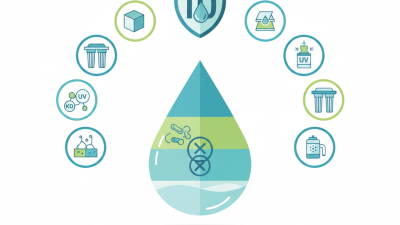
Define nitrate risk using verified regulatory reference levels
The U.S. EPA maximum contaminant level for nitrate is 10 mg/L when measured as nitrogen, equivalent to approximately 44.3 mg/L as nitrate (NO₃⁻). The 4.0 mg/L level shown here is a conservative screening trigger, not the current EPA nitrate MCL. Test results should be interpreted using the units reported by the laboratory and applicable local regulations.
Match Contaminants to Technologies: RO Removes Up to 99% of Dissolved Solids
How to Choose Water Purification Systems in 2026?
Choosing a water purifier should begin with the contaminants in your supply, not with a popular feature list. Request a recent water report or use an independent laboratory test. In practice, hard water may leave white scale around a kettle, while chlorine can create an obvious swimming-pool odor. These clues help, but they are not proof.
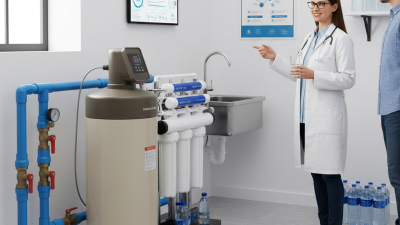
Reverse osmosis (RO) is useful when dissolved salts, heavy metals, fluoride, or other small contaminants concern you. A properly maintained RO membrane can remove up to 99% of dissolved solids, depending on water quality and system performance. However, RO does not automatically remove every contaminant. It may also waste water and reduce beneficial minerals. Check the rejection rate, filter replacement schedule, storage tank hygiene, and flow speed. A TDS meter can support monitoring, but it cannot identify specific pollutants. I once trusted a low reading too quickly; that was a reminder to verify the cause, not just the number.
Tips: Match each contaminant to a tested technology. Use activated carbon for chlorine and odors. Consider UV treatment for microorganisms when appropriate. Test the treated water periodically, especially after replacing the membrane. Keep installation records. Small details matter. Ensure replacement parts are available locally, and confirm the system has been tested by an independent, recognized organization.
Compare Capacity, Flow Rate, and NSF/ANSI Standards for Certified Performance
How to Choose Water Purification Systems in 2026?
Choosing a water purification system starts with your daily water demand. A small household may need 150–300 gallons of capacity annually. Larger families, offices, and frequent cooks need more reserve capacity. Check the rated capacity, not only the tank size. A larger tank can still waste space if replacement filters are difficult to find.
Flow rate affects everyday comfort. A system with 0.5 gallons per minute may feel slow at a kitchen faucet. Higher flow rates help when filling pots or bottles, but they can reduce contact time with certain filter media. Review the certified flow rate under real operating pressure. Pressure changes can make advertised performance look better than it feels. I have seen users blame the filter when their plumbing was the real limitation.
Tips: Match capacity to peak use, then leave a modest safety margin. Confirm whether certification covers the exact contaminant claim. NSF/ANSI 42 generally relates to aesthetic concerns, such as chlorine and taste. NSF/ANSI 53 addresses specific health-related contaminants. NSF/ANSI 58 commonly applies to reverse osmosis systems, while NSF/ANSI 401 covers selected emerging contaminants. Certification is not a universal promise. Read the performance data sheet, certification scope, and replacement schedule carefully. Standards and listings can change, so verify current records before purchasing. Personally, I would rather choose a slower certified system than trust an impressive flow number without evidence.
Calculate Lifetime Cost from Filter Life, Water Waste, Energy Use, and Maintenance
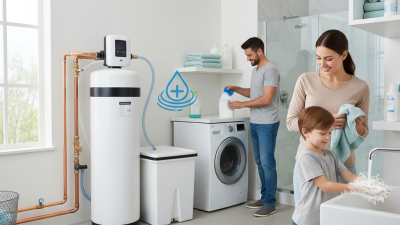
Choosing a water purification system in 2026 requires more than comparing purchase prices. Calculate its lifetime cost over five or ten years. Include replacement filters, rejected water, electricity, servicing, and unexpected repairs.
Filter life is often measured under ideal laboratory conditions. Your household may use more water, especially with frequent cooking or young children. Check capacity in liters, not only months. A cartridge rated for 6,000 liters may last one year in a small home but only four months in a busy kitchen. Record monthly consumption and multiply replacement costs across the expected service period.
Water waste can change the calculation. Some membrane systems discharge several liters for each liter treated. That affects both utility bills and household water habits. Energy use also matters, even when the device seems efficient. Measure standby consumption with a plug meter if possible. Maintenance includes sanitation, leak checks, technician visits, and damaged fittings. Keep invoices and service dates.
My first comparison spreadsheet missed the cost of replacement tubing. That small mistake changed the result. Ask for independent performance data and clear maintenance instructions. Verify claims against your local water report, then compare systems using the same five-year assumptions. Leave room for uncertainty, because real filter life depends on sediment, pressure, temperature, and daily use. A cheaper system is not always cheaper to operate.
Verify 2026 Compliance, Third-Party Certification, Installation, and Monitoring
How to Choose Water Purification Systems in 2026?
Choosing a water purification system in 2026 requires more than comparing flow rates and filter life.
Confirm that the system meets current national, regional, and local requirements for your intended use. Requirements may differ between homes, clinics, laboratories, and food facilities. Ask for written compliance evidence, not verbal assurances. Check the issue date, testing scope, operating limits, and certificate validity. A familiar-looking logo proves very little by itself.
Independent third-party certification adds useful protection.
The testing organization should be separate from the manufacturer and publicly explain its methods. Verify that the exact model is certified, including replacement cartridges and control components. Certification may cover material safety but not installation quality or microbial performance. That distinction is easy to miss. It deserves attention.
Installation should include pressure checks, leak inspection, drain protection, and sampling after flushing.
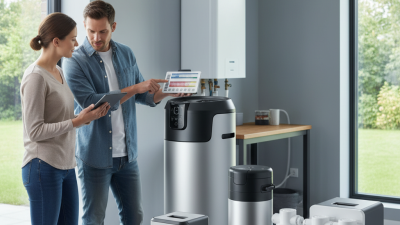
Electrical parts need suitable protection in damp rooms. Keep photographs, test results, installer qualifications, and maintenance dates in one accessible record. Monitoring should track flow, pressure, conductivity, or other relevant indicators. Set clear alarm limits before problems appear. Sensors also need calibration. A forgotten calibration can create false confidence. Review alerts regularly, and investigate unusual readings instead of resetting them automatically. Some systems seem simple during installation but become difficult to maintain six months later. Leave enough space for cartridge changes and safe service access.