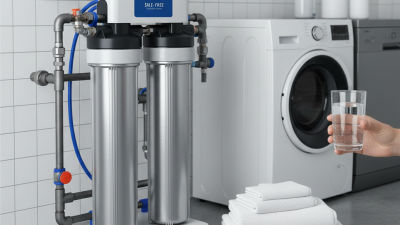
How to Effectively Treat Hard Water Solutions for Your Home?
Hard water can be a persistent problem for homeowners. It contains high levels of minerals, which can cause various issues. According to expert Paul Thomas, a well-known specialist in hard water solutions, “Ignoring hard water can lead to costly repairs and damaged appliances.” Many people underestimate its impact on daily life.
Effective hard water solutions are essential for maintaining a comfortable home. From scale buildup in pipes to dull laundry, the effects are visible. Ignoring these symptoms might seem harmless, yet they can escalate quickly. Homeowners should be aware of the signs and learn how to tackle them.
Choosing the right treatment can make a significant difference. There are various options, including water softeners and natural remedies. Each method has its pros and cons. Some solutions may require ongoing maintenance, which can feel overwhelming. However, investing time in understanding these hard water solutions pays off in the long run. Tomorrow's comforts depend on today's choices.
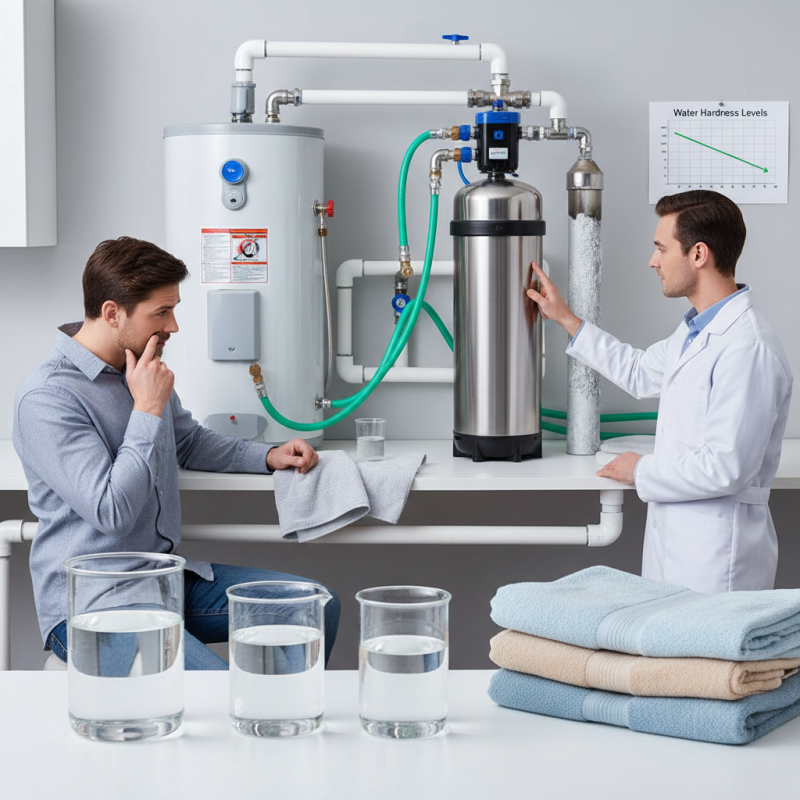
Understanding Hard Water: Definition and Composition
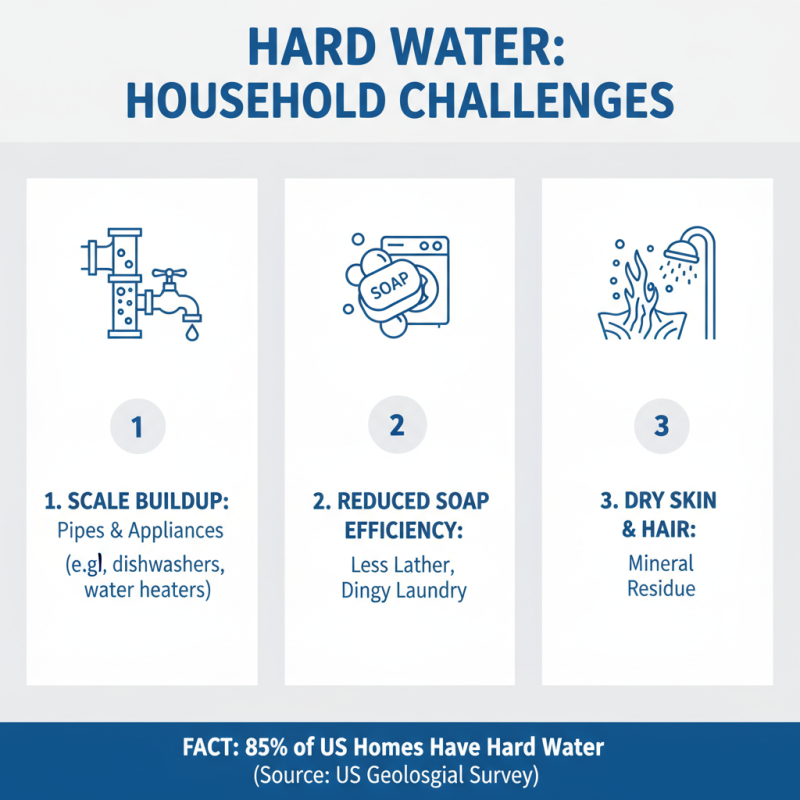
Hard water is a common issue in many households. It contains high levels of minerals, mainly calcium and magnesium. According to the U.S. Geological Survey, nearly 85% of American water sources are classified as hard. This mineral content can lead to various problems, such as scale buildup in pipes and appliances, reduced soap efficiency, and dry skin.
Understanding the composition of hard water is crucial. The hardness of water is typically measured in grains per gallon (gpg) or parts per million (ppm). Water exceeding 7 gpg is considered hard. Such high mineral concentrations can cause significant long-term damage. Research shows that hard water can decrease the lifespan of appliances by nearly 30% due to scale accumulation.
**Tips:** One way to manage hard water issues is by installing a water softener. This system can replace calcium and magnesium ions with sodium or potassium ions, reducing hardness. Regular maintenance is essential to ensure the system's effectiveness. Additionally, using vinegar can help dissolve mineral buildup around faucets and showerheads.
Another option is a reverse osmosis system. This process filters water through a semipermeable membrane, removing minerals effectively. It's essential to assess your water's hardness level and adjust your treatment methods accordingly. Testing kits are widely available for quick analysis.
The Impact of Hard Water on Household Appliances and Plumbing
Hard water contains high levels of minerals, specifically calcium and magnesium. This can lead to several issues in your home. According to a study by the Water Quality Association, nearly 85% of households in the United States experience hard water problems. This affects both appliances and plumbing.
Appliances like dishwashers and water heaters suffer from mineral buildup. In fact, scale buildup can reduce the efficiency of these appliances by up to 30%. This means higher energy bills. Furthermore, the lifespan of these appliances is shortened significantly. For instance, a typical water heater may last only 8–12 years with hard water, compared to 15 years with soft water.
Plumbing can also take a toll. Pipes can become clogged by mineral deposits over time, leading to water flow issues. A plumbing report indicates that hard water can decrease water pressure by as much as 25%. This slow degradation goes unnoticed until significant issues arise. Addressing hard water early can save homeowners both time and money. Awareness is key, yet many ignore it until it’s too late.
Common Methods for Testing Water Hardness: Tools and Techniques
Testing water hardness is crucial for maintaining a healthy home. Many homeowners overlook this important task. Hard water can lead to scale buildup and reduce appliance efficiency. Fortunately, several tools and techniques are available to test your water quality.
One common method is using test strips. These strips are easy to use. Simply dip a strip into a water sample, wait a few seconds, then compare the color change. This method provides quick results. Another option is a digital water hardness tester. These devices offer precise readings. They can help you get an exact measurement of minerals like calcium and magnesium in your water.
Some people choose titration kits for a more detailed analysis. This method requires mixing a water sample with a reagent. The color change indicates water hardness. While effective, it can be a bit complex, especially for beginners. Remember, each technique has its own learning curve. Experimenting with different methods can lead to better understanding. Reflecting on which tools work best can improve your testing process.
Effective Solutions for Treating Hard Water: Ion Exchange Systems
Hard water is a common issue in many homes. It contains high levels of calcium and magnesium. According to the U.S. Geological Survey, about 85% of American households deal with hard water. This can lead to scale buildup in pipes and appliances. The solution? Ion exchange systems.
These systems work by exchanging calcium and magnesium ions for sodium ions. They effectively soften water. Recent data from the Water Quality Association shows that ion exchange systems can reduce hardness levels by over 90%. This improvement can extend the life of your appliances and enhance water quality for daily use.
However, ion exchange systems are not without their challenges. They require regular maintenance. The resin beads need to be replaced or regenerated periodically. This process uses salt, which can raise concerns in some households. Furthermore, not all ion exchange systems are equal. The efficiency can vary, leading homeowners to do their research.
Taking care of hard water issues is crucial. Efficient solutions exist, but they come with responsibilities. Understanding your water's hardness level can guide your choices. Investing time in the right treatment system can lead to long-term benefits.
Effectiveness of Different Hard Water Treatment Methods
Benefits of Water Softening: Enhancing Efficiency and Longevity
Hard water can cause various issues in your home. It contains high levels of calcium and magnesium. These minerals create scale buildup in pipes and appliances. Over time, this can reduce efficiency and lead to costly repairs. Water softening systems help mitigate these problems effectively.
The benefits of water softening are substantial. Softened water can improve the efficiency of appliances like dishwashers and washing machines. Clothes washed in soft water tend to feel softer and last longer. Additionally, using soft water can reduce energy bills. Without mineral buildup, appliances run more efficiently. It’s crucial to remember, though, that not all water softening solutions are equal.
While the advantages are clear, the choice can be overwhelming. Different systems provide various methods of softening water. Some can be complex or require regular maintenance. It's important to consider your home's specific needs. Evaluating your water's hardness and your lifestyle will guide you in making the right decision.
How to Effectively Treat Hard Water Solutions for Your Home? - Benefits of Water Softening: Enhancing Efficiency and Longevity
| Benefit |
Description |
Impact on Efficiency |
Impact on Longevity |
| Reduces Scale Build-Up |
Softening water prevents minerals from depositing in pipes and appliances. |
Improves water flow and appliance efficiency. |
Extends the life of plumbing and appliances. |
| Improves Cleaning Efficiency |
Soft water enhances soap lathering and reduces soap scum. |
Requires less soap and cleaning agents. |
Keeps surfaces cleaner, reducing the need for frequent replacements. |
| Prevents Staining |
Soft water prevents mineral stains on dishes and laundry. |
Improves appearance of dishes and laundry. |
Reduces wear and tear on fabrics and kitchenware. |
| Enhances Skin and Hair Health |
Soft water is gentler on skin and hair. |
Improves the effectiveness of shampoos and soaps. |
Helps maintain the condition of hair and skin over time. |
| Increased Energy Efficiency |
Soft water can improve the efficiency of heating elements. |
Lower energy bills due to efficient appliances. |
Lengthens the life of water heaters and boilers. |