10 Essential Tips for Choosing the Best Home Water Filter System?
When choosing a home water filter system, the options can feel overwhelming. Many products claim to improve water quality, but not all deliver effective results. You might wonder what features truly matter. Filters can reduce contaminants, improve taste, and ensure safety. However, understanding these benefits is essential to making an informed decision.
Consider your water source. Is it municipal or well water? Different systems target different contaminants. Think about your household size and water usage. A larger family needs a more robust system. Yet, balancing cost and effectiveness can be tricky. Some filters look appealing but may not fit your needs.
Research is vital. Read reviews, check certifications, and ensure proper installation. Don’t overlook the maintenance aspect. Some filters demand frequent changes, which adds to daily tasks. Finding the best home water filter system can be daunting, but the right information makes it manageable.
Understanding Water Quality: Analyzing Local Water Reports
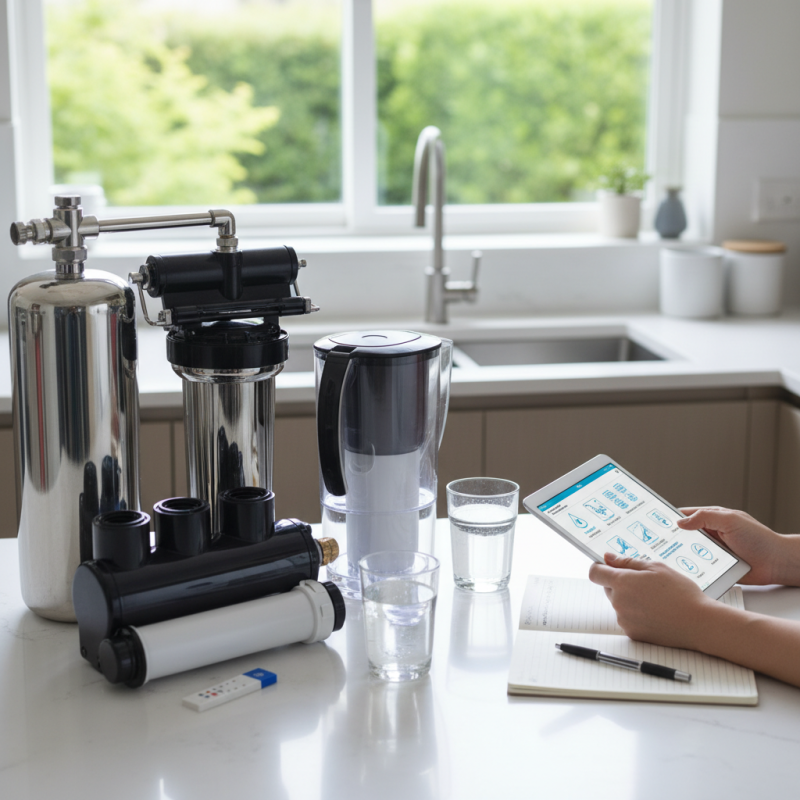
Understanding the quality of your local water is crucial when choosing a home water filter system. Local water reports provide insight into what contaminants might be present. They often include information about levels of lead, chlorine, and bacteria. You might be surprised by what is found in tap water. In some areas, heavy metals are a concern. Other regions might have high levels of minerals like calcium or magnesium.
It's important to analyze these reports carefully. Look for any red flags that may indicate a problem. If the reports show that your water quality is below safe levels, it’s time to take action. Consider what specific contaminants the filtration system needs to address. Not all filters remove all contaminants. Some systems may boast about their capabilities but can fail to filter out specific harmful substances.
Your choice of water filter should match the unique needs derived from the reports. Sometimes, the ideal filter can be obscured by marketing jargon. It’s worth doing thorough research. Conversations with neighbors can provide valuable insights. Many overlook local advice but it can be informative. Ultimately, staying informed leads to better health choices. Are you ready to improve your water quality?
Types of Home Water Filter Systems: Comparing Filtration Methods
When it comes to home water filter systems, understanding the types available is crucial. Various methods are designed to meet different needs.
Activated carbon filters are common. They efficiently reduce chlorine and improve water taste. However, they may not remove all contaminants. Effectiveness depends on filter maintenance and replacement frequency.
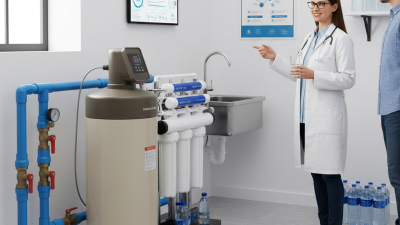
Reverse osmosis systems are another popular option. They use a semipermeable membrane to remove impurities. While these systems can effectively eliminate many pollutants, they can waste water during the filtration process.
Some users may find the installation process complicated. It requires more space compared to other types.
Ultraviolet (UV) filtration is gaining attention. This method uses UV light to kill bacteria and viruses. It's effective for disinfection but does not remove chemicals or sediments.
Users should consider combining methods for comprehensive filtration. Each system has its strengths and weaknesses, making careful consideration necessary for optimal water quality.
Evaluating Filter Performance: Understanding NSF Certification Standards
When selecting a home water filter system, understanding NSF certification standards is crucial. NSF International, a respected organization, certifies products that meet strict safety and performance criteria. Filters must pass various tests to ensure they remove contaminants effectively. According to recent data, approximately 30% of household water systems contain harmful substances.
Look for filters that carry the NSF/ANSI 53 certification. This standard ensures the filter reduces specific health-related contaminants, such as lead and chlorine. It’s important to verify the certification claims through third-party reviews. Many consumers overlook this step, leading to poor choices.
Pay attention to the flow rate of the filter system. Higher flow rates may indicate better filtration but can compromise effectiveness. A study showed that some systems filter less efficiently at high speeds. Evaluate the size and capacity of the filter, considering your household's water usage. Often, systems with larger capacities are more effective. Choose wisely to ensure you invest in a filter that meets your needs without compromising quality.
Cost vs. Efficiency: Budgeting for Your Home Water Filtration Needs
When considering a home water filter system, budgeting is crucial. It's easy to get lost in the details. Cost and efficiency should guide your choices. Some filters promise clear water at a low price, but don’t deliver in quality. Look for systems that provide a good balance between what you pay and what you get.
One important tip: assess your water needs. Are you filtering for drinking, cooking, or both? This will help narrow your options. The initial cost can be deceptive. Some systems may be affordable, but cartridge replacements can add up quickly. Always factor in long-term costs.
Another consideration is installation. Some systems are user-friendly, while others may require professional help. Installation costs can escalate. Research thoroughly to avoid unexpected expenses. An investment in a reliable filtration system is essential. However, flexibility in your budget is necessary. Adjust based on actual performance and efficiency to ensure clean water for your home.
Comparison of Home Water Filter Systems: Cost vs. Efficiency