Why Invest in Water Treatment Systems for Global Sustainability?
Water treatment systems play a crucial role in addressing global sustainability challenges. Clean water is a basic human right, yet millions lack access. Efficient water treatment reduces contaminants. This not only protects ecosystems but also human health. Many industries rely on advanced treatment methods to ensure compliance with strict regulations.
Investing in innovative water treatment systems can seem daunting. However, the long-term benefits outweigh the initial costs. These systems provide economic returns by improving operational efficiency. They also foster public trust in companies that prioritize sustainability.
Neglecting water treatment can lead to severe consequences. Environmental degradation and public health issues are possible outcomes. Despite the challenges, advancing technology offers new solutions. Embracing these innovations can transform how we approach our water resources. It’s time to reconsider our strategies. The future of our planet may depend on it.
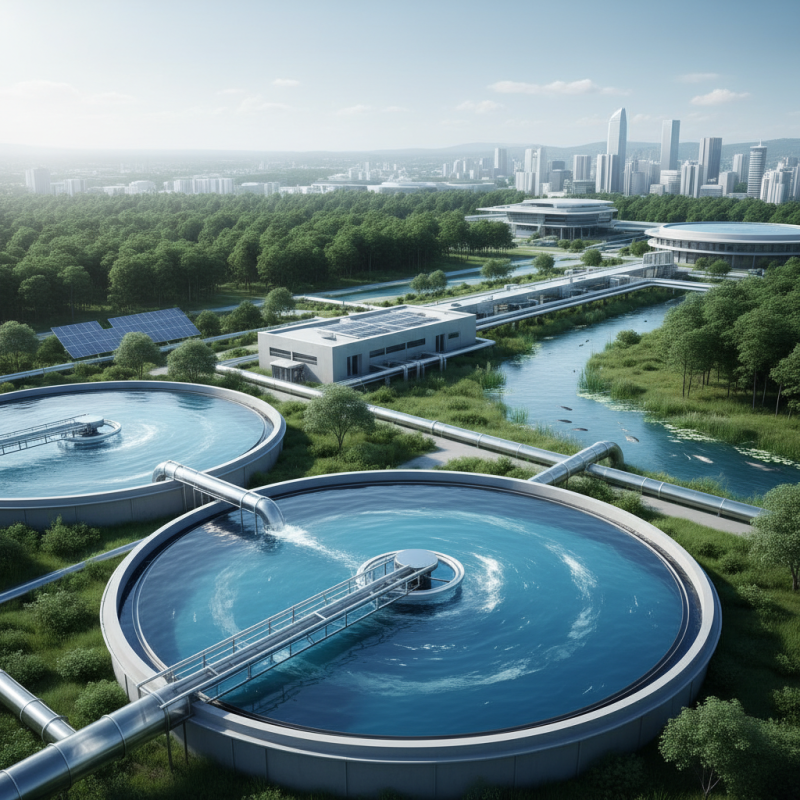
Importance of Water Treatment in Ensuring Safe Drinking Water Access
Access to safe drinking water is vital for health and well-being. Yet, millions lack this essential resource. Water treatment systems are crucial in addressing this global challenge. They help remove contaminants that can cause diseases. Investing in these systems can significantly improve public health outcomes.
In many regions, water sources are polluted. Industrial waste, agricultural runoff, and untreated sewage contribute to this issue. Without proper water treatment, communities face serious health risks. Simple solutions, like filtration and chlorination, can make a difference. They can provide clean water, yet many areas still lack such infrastructure.
Even with established water treatment systems, challenges remain. Maintenance and community education are often overlooked. Many people may not understand the importance of clean water. Regular monitoring is also necessary to ensure system effectiveness. A sustainable approach involves community involvement and ongoing training. Engaging locals can lead to better outcomes. It helps foster a culture of awareness and responsibility towards water quality.
Global Water Scarcity and Its Impact on Health and Economy
Water scarcity affects billions globally. It compromises health and stunts economic growth. Many regions suffer from a lack of clean drinking water. Poor water quality leads to disease. Child mortality rates rise in affected areas. Access to safe water is critical for thriving communities.
Investing in water treatment systems can alleviate these issues. Such systems provide essential filtration and purification. They ensure that everyone has access to clean water. This investment is not just about infrastructure; it enhances public health and boosts productivity. However, the implementation may carry high initial costs. Some communities may find it hard to prioritize such investments.
Addressing water scarcity requires a collaborative effort. Local governments, NGOs, and private sectors must work together. Additionally, we need to educate communities on sustainable practices. Simply providing technology is not enough. Behavioral changes are crucial for the long-term impact. There is still much to learn in this field. It will take time to see lasting solutions.
Technological Advancements in Water Treatment Systems
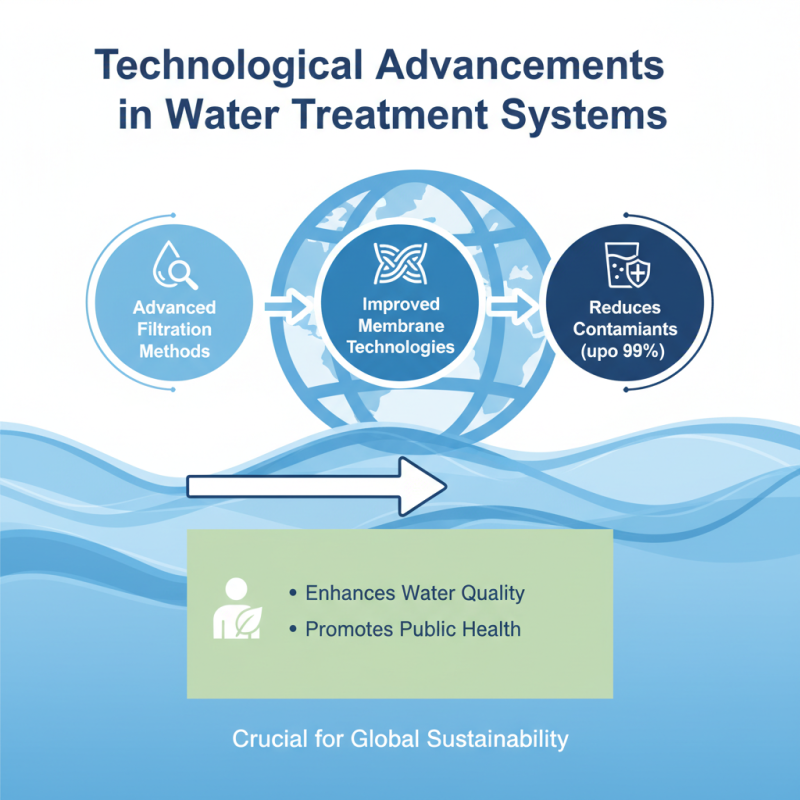
Technological advancements in water treatment systems are crucial for global sustainability. New technologies are transforming how we manage our water resources. For instance, advanced filtration methods and improved membrane technologies can reduce contaminants by up to 99%. This enhances water quality and promotes public health.
According to a recent report by the International Water Association, nearly 2 billion people lack access to safe drinking water. Innovative systems like ultraviolet disinfection and ozonation offer sustainable solutions. These methods use less energy and produce fewer byproducts compared to traditional chlorine treatment. However, adoption rates remain low in certain regions, highlighting the need for increased awareness and investment.
The development of smart water technologies also plays a vital role. Sensors can monitor water quality in real-time, providing critical data for effective management. Yet, many municipalities face challenges in integrating these technologies. Budget constraints and lack of expertise hinder progress. It’s essential to address these obstacles for a sustainable future. Investing in these technologies not only addresses immediate needs but also contributes to long-term environmental health.
Investment Trends in Water Treatment for Sustainability
Investment in water treatment systems is gaining momentum as a crucial component of global sustainability initiatives. According to a recent report from the Global Industry Analysts, the global water treatment market is projected to exceed $700 billion by 2027. This surge reflects an increasing awareness of the vital role clean water plays in public health and environmental protection. Companies and governments are recognizing that addressing water scarcity and pollution is not just a moral imperative but also an economic opportunity.
Trends indicate a shift towards advanced technologies in water treatment. For instance, membrane filtration and desalination are becoming standard practices in many regions. The Water Research Foundation reported that these technologies could reduce treatment costs by at least 30% in the next decade. However, implementation varies widely across different regions, leading to discrepancies in investment returns. Some areas struggle with outdated infrastructure, limiting the effectiveness of new systems. Investing in modern water treatment systems is essential, yet challenges remain in ensuring equitable access and efficient resource management. This highlights the need for ongoing evaluation and adaptation of strategies in response to changing environmental conditions and community needs.
Investment Trends in Water Treatment for Sustainability
This chart illustrates the estimated investment in water treatment systems across different regions, highlighting the growing importance of sustainable water management strategies globally.
Case Studies Demonstrating the Benefits of Water Treatment Solutions
The urgency of water treatment systems becomes evident through various case studies worldwide. One notable example is a rural community that faced severe water scarcity. After implementing a local water treatment solution, access to clean water improved significantly. This project not only enhanced water quality but also uplifted the community's health. People reported fewer instances of waterborne illnesses. This improvement led to higher productivity and better quality of life.
Another case study highlights an industrial plant that adopted advanced filtration systems. This change reduced pollutants entering local waterways. As a result, aquatic ecosystems began to recover, showing signs of biodiversity restoration. The plant also saw cost savings in water use and compliance costs, demonstrating the economic benefits of sustainable practices.
Tip: Consider exploring local funding opportunities for water treatment projects. Grants and incentives may support initial investments.
Moreover, regular maintenance of water systems is crucial. Neglected systems can lead to unexpected breakdowns and increased costs. Therefore, establishing consistent check-ups ensures longevity and reliability. A focus on community training fosters a sense of ownership and responsibility.
Why Invest in Water Treatment Systems for Global Sustainability? - Case Studies Demonstrating the Benefits of Water Treatment Solutions
| Region |
Case Study |
Reduction in Pollution |
Water Saved (Million Liters) |
Economic Benefit ($) |
Sustainability Impact |
| Asia |
Industrial Water Recycling |
60% |
150 |
200,000 |
Improved local ecosystems |
| Africa |
Community Filtration Projects |
75% |
200 |
150,000 |
Enhanced health outcomes |
| Europe |
Urban Wastewater Treatment |
55% |
300 |
300,000 |
Higher drinking water quality |
| North America |
Desalination Initiatives |
40% |
100 |
250,000 |
Drought resilience |
| South America |
Agro-Water Solutions |
70% |
250 |
180,000 |
Increased agricultural yield |