Top 10 Benefits of a Soft Water System for Home Use?
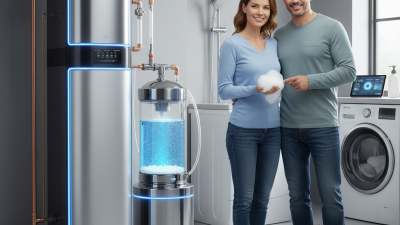
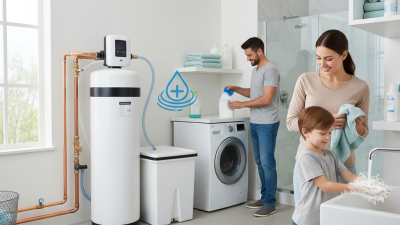
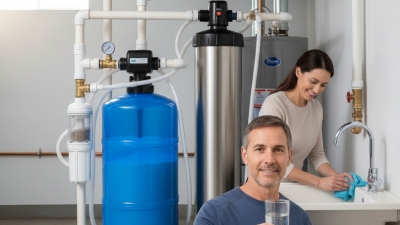
A soft water system for home use can transform daily living in numerous ways. Many homeowners overlook its advantages, focusing instead on immediate needs. However, installing a soft water system can provide long-term benefits that impact health, convenience, and household maintenance.
Soft water reduces mineral buildup, protecting plumbing fixtures and appliances. This leads to less frequent repairs and replacements. Skin and hair feel softer, too, contributing to a more comfortable bathing experience. Many people notice a reduction in soap scum and buildup in bathrooms and kitchens.
However, it is essential to consider the initial installation costs. Some may hesitate due to upfront expenses. Yet, the lower maintenance costs and savings on cleaning products soon outweigh those concerns. Investing in a soft water system for home use often pays off in unexpected ways. As you explore these ten benefits, you might find that a soft water system is worth the consideration.
Benefits of Soft Water for Household Appliance Longevity and Efficiency
Soft water systems offer significant advantages for household appliances. One major benefit is the reduction of scaling and mineral buildup. Hard water often leaves deposits on pipes and appliances like dishwashers and washing machines. These deposits can hinder performance, making appliances work harder. Over time, this can lead to energy loss and costly repairs. Soft water helps maintain the efficiency of these appliances, promoting their longevity.
Additionally, soft water enhances the effectiveness of detergents and soaps. Without hard minerals, cleaning products can perform better, reducing the amount needed for effective results. This not only helps appliances run more efficiently but also lessens wear and tear. Despite these benefits, using soft water may require some adjustments. For example, individuals might notice a difference in the way their skin feels after washing. Such reflections on the transition can sometimes be overlooked. Yet, these small changes can help users appreciate the larger impact of soft water on their homes.
Top 10 Benefits of a Soft Water System for Home Use
| Benefit |
Description |
Impact on Household |
| Appliance Longevity |
Soft water minimizes scale buildup, leading to longer-lasting appliances such as dishwashers and water heaters. |
Reduces replacement costs and maintenance. |
| Energy Efficiency |
Appliances using soft water operate more efficiently, requiring less energy to heat water. |
Lower utility bills due to reduced energy consumption. |
| Improved Soap Efficiency |
Soft water enhances soap lather and effectiveness, reducing soap usage. |
Saves money on cleaning products. |
| Reduced Skin Irritation |
Soft water is gentler on the skin, reducing dryness and irritation. |
Improved skin health and comfort. |
| Cleaner Clothes |
Soft water helps detergents work more effectively, leading to cleaner and brighter laundry. |
Increased clothing lifespan and appearance. |
| No Water Spots |
Soft water eliminates mineral deposits, resulting in spot-free dishes and fixtures. |
Less time and effort spent on cleaning. |
| Improved Taste of Water |
Softened water tastes smoother and is generally more pleasant to drink. |
Encourages hydration and improves drinking experience. |
| Piping Longevity |
Soft water reduces corrosion and buildup in pipes, extending their lifespan. |
Fewer plumbing issues and related costs. |
| Easier Cleaning |
Soft water simplifies cleaning, making it easier to remove soap scum and mineral deposits. |
Saves time and effort in household chores. |
| Environmental Benefits |
Using less soap and detergents with soft water is better for the environment. |
Contributes to reduced chemical waste in water systems. |
Reduction of Soap and Detergent Usage in Soft Water Systems
Soft water systems offer notable advantages for households, particularly in reducing soap and detergent usage. Hard water contains high levels of minerals like calcium and magnesium. These minerals can hinder the effectiveness of soaps, leading to the need for more product. In contrast, soft water effectively dissolves soap, maximizing its cleaning potential. This means less detergent is required for tasks such as laundry and dishwashing.
In practical terms, this reduction translates to savings in both time and cost. Homeowners may find that they spend less on cleaning supplies. Sensors from various appliances may even run more efficiently with soft water, leading to reduced energy bills. Many individuals, however, may not be familiar with how much soap can typically be wasted in hard water situations.
Reflecting on this, it becomes clear that an upgrade to a soft water system could be economically favorable for many households looking for smarter ways to maintain their cleanliness.
Improvement of Skin and Hair Condition with Soft Water
Soft water systems offer remarkable benefits, particularly for skin and hair health. Many people often encounter dryness and irritation after washing with hard water. The minerals in hard water can strip moisture away, leading to flakiness and dullness. In contrast, soft water is gentler and hydrates the skin more effectively. This gentle quality helps maintain skin elasticity and can reduce inflammation, providing a clearer complexion over time.
When it comes to hair, soft water can be a game-changer. It allows for better lathering of shampoos and conditioners, leading to more effective cleaning. Many users notice that their hair feels silkier and more manageable after regular use of soft water. However, transitioning to soft water may not be easy for everyone. Some individuals may initially feel as if their hair is not fully cleaned, causing a period of adjustment. Yet, this brief discomfort often leads to healthier hair in the long run. With consistent use, the benefits become apparent, encouraging users to embrace the change.
Energy Savings and Cost Reduction from Soft Water Utilization
Soft water systems have gained attention for their potential impact on both energy efficiency and household costs. According to the Water Quality Association, households using softened water can save up to 30% on energy bills. This can be attributed to reduced scale build-up in appliances. Scale acts as an insulator, forcing water heaters and systems to work harder. By minimizing scale, soft water allows these units to operate more efficiently.
The cost benefits extend beyond energy savings. The National Sanitation Foundation reports that soft water can increase the lifespan of plumbing and appliances. Maintenance costs often decline as well, resulting in overall savings for homeowners. This means less frequent repairs or replacements, which ultimately reduces long-term expenses. Some homeowners may overlook these savings, focusing instead on the initial investment in a soft water system.
There are challenges to consider. Not all areas have access to high-quality softening systems. Effectiveness can vary. Moreover, while many claim soft water improves detergent efficiency, the actual savings may differ by household. Users should weigh these factors carefully and make informed decisions based on their unique situations. The economic advantages are clear, but they require an understanding of how soft water impacts each home individually.
Top 10 Benefits of a Soft Water System for Home Use
Minimized Hard Water Stains and Cleaning Efforts in Home Maintenance
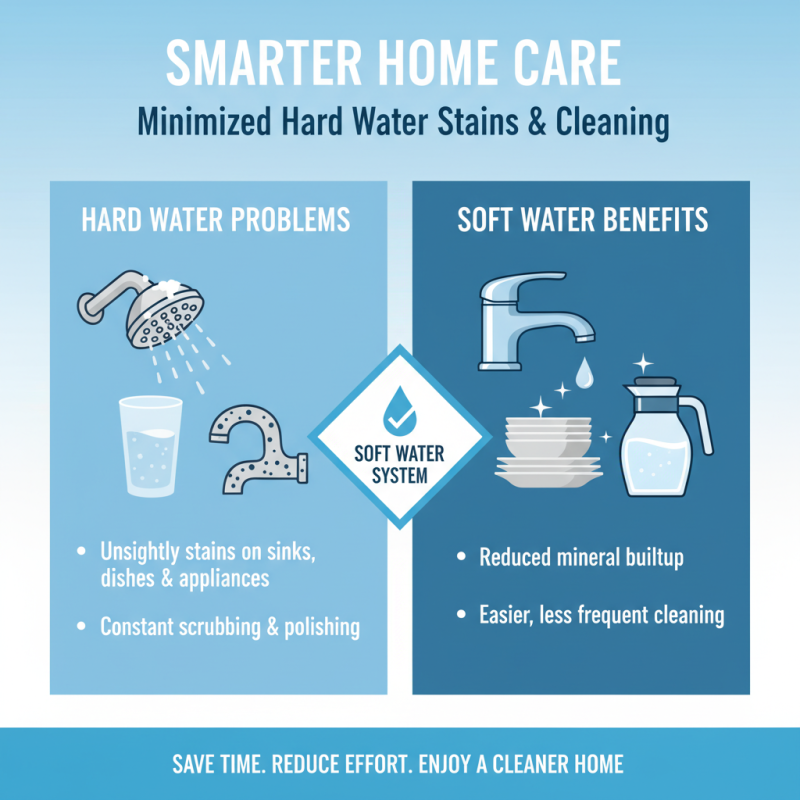
Hard water can be a significant nuisance in any household. One of the primary benefits of a soft water system is its ability to minimize hard water stains. These stains often appear on sinks, dishes, and kitchen appliances, making cleaning a never-ending chore. With softer water, you’ll notice a decrease in the frequency of scrubbing and polishing. This reduction in cleaning efforts not only saves time but also makes daily chores less frustrating.
In addition to minimizing stains, a soft water system enhances the overall quality of water. It helps prevent the buildup of limescale in pipes and appliances. This buildup can lead to costly plumbing repairs over time. Homeowners often overlook this problem until it becomes a major headache. A soft water system not only prolongs the lifespan of your plumbing but also improves the efficiency of water-using appliances. Your water heater, for example, can work better with soft water, ultimately leading to energy savings.
While the benefits are clear, transitioning to a soft water system can require some adjustments. Not everyone enjoys the feel of soft water at first. It can feel different against your skin, and rinsing off might take some getting used to. However, over time, many find the advantages far outweigh the initial discomfort. Choosing to install a soft water system is a decision that provides lasting benefits, even if the transition may involve a bit of a learning curve.