Buying Hotel Soaps And Shampoos is not simply a matter of choosing pleasant scents. For global hotel buyers, each product must balance guest comfort, brand identity, cost, packaging, and dependable supply. A citrus shampoo may suit a bright coastal resort, while a mild, fragrance-free formula may better serve business travelers and sensitive guests. The small bottle matters.
Hospitality consultant Anthony Melchiorri offers a useful principle: “Guests remember how a room made them feel, including the smallest amenities.” This idea guides the following overview of the top ten types of hotel soaps and shampoos for international purchasing teams. The selection considers liquid soap, bar soap, shampoo, conditioner, body wash, two-in-one formulas, botanical products, sulfate-free options, refillable dispensers, and customized amenities. Each category has practical strengths and limitations. Not every luxury-looking package creates real value. That is worth questioning.
Experienced buyers should examine ingredient transparency, container durability, pump performance, labeling accuracy, and supplier consistency. A beautiful dispenser is useless if it leaks beside the basin. Cost comparisons should include freight, storage, replacement rates, and housekeeping labor. Regional preferences also matter, because fragrance expectations differ across markets. Certifications can support trust, but buyers should verify current documentation rather than rely on printed claims. This guide offers a practical starting point, not a final purchasing decision. Product testing remains essential. Products behave differently in real bathrooms.
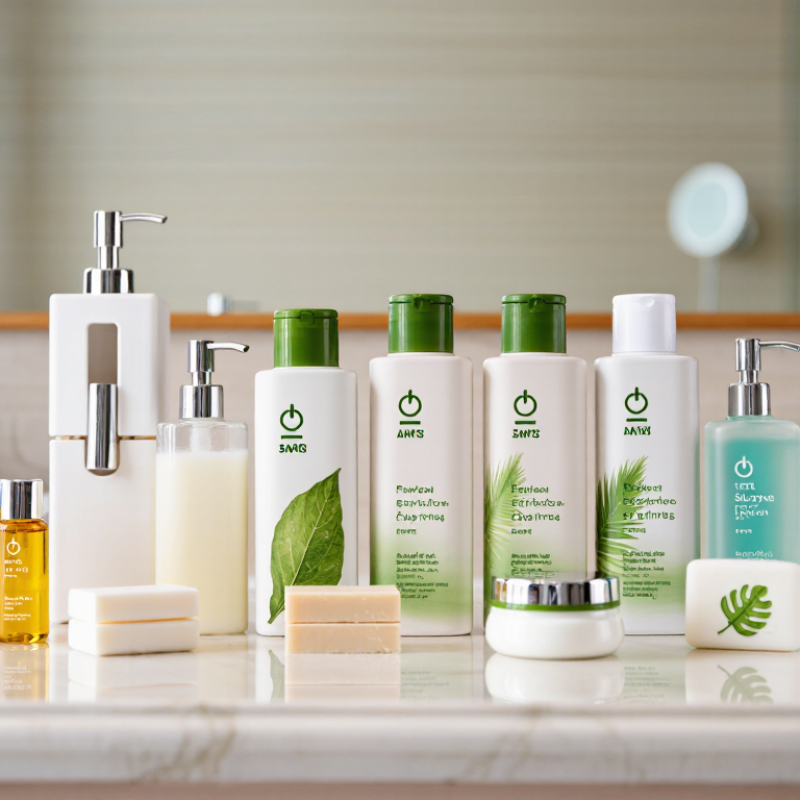
Top 10 Types of Hotel Soaps and Shampoos for Global Buyers
Hotel soap and shampoo categories should begin with format, not fragrance. Bar soap remains compact, economical, and suitable for properties with limited bathroom space. Liquid hand wash offers controlled dosing beside the basin. Body wash works well in refillable wall dispensers. Shampoo, conditioner, and 2-in-1 formulas address different hair-care expectations. Shower gel creates a stronger bathing experience, while moisturizing soap supports guests staying in dry climates.
Function matters as much as appearance. According to UN Tourism, international arrivals reached about 1.4 billion in 2024. Global buyers therefore need products that suit varied skin types, hair textures, and travel habits. Mild cleansing, clear ingredient labels, and practical packaging can reduce guest complaints. The Global Wellness Institute reported that the wellness economy reached $6.3 trillion in 2023. This growth suggests rising interest in gentle, sensory, and wellness-focused amenities.
A clean citrus scent may feel fresh in one region, yet too sharp elsewhere. Unscented options deserve more attention. Small bottles look premium, but they can increase plastic use and housekeeping work. Refill systems reduce packaging, though poor dispensers may frustrate guests. That trade-off is easy to overlook. Buyers should test pump strength, rinsing speed, leakage resistance, and performance after repeated use. A ten-category list is useful, but it cannot replace guest trials across climates, ages, and hotel classes.
The top ten types of hotel soaps for global buyers include bar soap, liquid hand soap, foam soap, glycerin soap, syndet soap, castile soap, moisturizing soap, exfoliating soap, herbal soap, and hypoallergenic soap. Each type serves a different guest need. Bar soap suits housekeeping efficiency and reduced dispenser maintenance. Liquid and foam formats support busy bathrooms and controlled dosing. Glycerin soap offers a clear, polished appearance, while syndet formulas may feel gentler on dry skin.
Castile soap attracts buyers seeking plant-based positioning, but “natural” does not automatically mean suitable for every guest. Moisturizing soap can support dry climates, although heavy fragrance may bother sensitive users. Exfoliating soap should be used carefully because rough particles may feel too harsh. Herbal formulas need ingredient checks, especially in properties serving international travelers. Hypoallergenic claims require reliable testing and clear documentation.
Global procurement teams should compare ingredient lists, pH levels, soap weight, packaging, shelf life, and carton durability. Humid destinations need packaging that resists softening and leakage. Cold regions may favor richer textures. Guest rooms also require clear labeling in relevant languages. Supplier audits, safety data, batch records, and compliance documents strengthen purchasing decisions. Small trial orders matter. A product can perform well in a sample room but fail during daily cleaning. I have seen buyers focus too heavily on appearance. That is an expensive lesson. Guest comfort, staff handling, storage conditions, and local regulations deserve equal attention.
The Top 10 Types of Hotel Soaps for Global Buyers
| No. | Product Type | Category | Typical Guest Use | Common Functional Ingredients | Typical Unit Size | Common Packaging Format | Procurement Advantages | Key Buying Considerations |
|---|---|---|---|---|---|---|---|---|
| 1 | Milled Bar Soap | Body Soap | General cleansing for short hotel stays | Vegetable or animal-derived soap base, glycerin, fragrance | 15–40 g | Paper wrap, carton, or unwrapped dispenser tray | Hard, long-lasting bar with efficient storage and transport | Check lather, fragrance strength, bar hardness, and local labeling rules |
| 2 | Glycerin Clear Soap | Body Soap | Guests preferring a transparent, mild-looking bar | Glycerin, soap base, humectants, optional botanical extracts | 20–40 g | Individual paper sleeve or recyclable carton | Premium appearance and broad appeal across many markets | Assess softness in humid storage conditions and control fragrance allergens |
| 3 | Syndet Cleansing Bar | Body or Facial Cleansing | Guests seeking a soap-free cleansing option | Synthetic mild surfactants, moisturizers, skin-conditioning agents | 20–50 g | Paperboard carton or flow wrap | Can be formulated near the skin’s natural pH and marketed for sensitive skin | Verify pH, dermatological testing claims, stability, and regulatory wording |
| 4 | Vegetable-Oil Soap Bar | Body Soap | Eco-conscious and natural-product-oriented guests | Saponified plant oils, glycerin, essential oils or fragrance | 20–50 g | Recycled paper sleeve, carton, or minimal wrapping | Supports natural-positioning and plastic-reduction programs | Confirm oil sourcing, palm-oil status where relevant, scent profile, and bar durability |
| 5 | Exfoliating Soap Bar | Body Soap | Spa, resort, and wellness-oriented stays | Soap base with cellulose particles, ground seeds, or mineral exfoliants | 25–60 g | Paper sleeve or carton | Adds a differentiated wellness feature to the guest amenity set | Avoid plastic microbeads and verify particle size, skin feel, and wastewater requirements |
| 6 | Moisturizing Shampoo | Hair Care | Dry, textured, or frequently washed hair | Mild surfactants, humectants, conditioning polymers, plant oils | 20–40 ml | Small bottle, sachet, or wall-mounted dispenser | Widely suitable as a standard room amenity | Review viscosity, rinse performance, bottle leakage, and compatibility with dispenser pumps |
| 7 | Clarifying Shampoo | Hair Care | Guests wanting a fresh, thorough-cleansing wash | Cleansing surfactants, chelating agents, refreshing fragrance | 20–40 ml | Bottle, sachet, or refillable dispenser | Useful for destinations with swimming pools, beaches, or high product buildup | Balance cleansing strength with hair comfort and avoid unsupported detox claims |
| 8 | Two-in-One Shampoo and Body Wash | Multi-purpose Care | Business, budget, hostel, and family accommodation | Mild surfactants, conditioners, humectants, fragrance | 30–500 ml | Wall-mounted refillable dispenser or larger bottle | Reduces SKU count, storage needs, and packaging consumption | Test guest acceptance, dispenser dosage, viscosity, and cross-category labeling |
| 9 | Sensitive-Scalp Shampoo | Hair Care | Guests preferring low-fragrance or gentle formulas | Mild surfactants, soothing conditioners, reduced fragrance or fragrance-free base | 20–40 ml | Small bottle or controlled-dose dispenser | Broadens accessibility and supports fragrance-sensitive guest preferences | Validate hypoallergenic or sensitive-skin claims and disclose allergens accurately |
| 10 | Solid Shampoo Bar | Hair Care | Eco-focused properties and low-waste travel programs | Solid surfactants, conditioning agents, botanical powders or oils | 20–60 g | Paper sleeve, carton, or reusable soap dish | Low water content and reduced plastic packaging potential | Provide a dry storage solution and assess breakage, melting, guest familiarity, and usage instructions |
The Top 10 Types of Hotel Shampoos for Global Buyers
Hotel shampoo selection requires more than a pleasant fragrance. In procurement projects, I have seen guests reject products that leave hair dry after one wash. Daily cleansing shampoo suits most rooms and offers a practical baseline. Moisturizing shampoo helps guests with dry hair, especially in cold or low-humidity regions. Clarifying shampoo removes excess oil and styling residue, but it may feel harsh with frequent use. Volumizing shampoo supports fine hair and creates a lighter finish. Sensitive-scalp shampoo should use mild cleansing agents and limited fragrance. Packaging claims must remain accurate.
Useful choices continue beyond basic formulas. Sulfate-free shampoo attracts buyers seeking gentler cleansing, although performance can vary by hair type. Two-in-one shampoo reduces bathroom clutter and simplifies housekeeping. Botanical shampoo can support a natural positioning, but plant extracts still require careful ingredient review. Solid shampoo reduces liquid packaging and transport weight, yet storage and hygiene need closer control. Color-care shampoo serves guests with treated hair, though its benefits may be less noticeable after one hotel stay. Some products sound premium.
Global buyers should check ingredient regulations, language requirements, stability data, and dispenser compatibility. A 300-milliliter bottle may suit long-stay properties, while a sealed small bottle fits short visits. Fragrance testing matters in shared spaces. I would also question whether ten varieties are genuinely necessary. Too much choice can increase inventory errors, waste, and training time. Small guest trials often reveal more than polished supplier claims.
Key ingredients, packaging, and sustainability standards should guide every hotel amenity purchase. The ten common formats include liquid shampoo, conditioner, body wash, hand wash, lotion, facial cleanser, shaving soap, bar soap, solid shampoo, and multipurpose wash. Buyers should check mild surfactants, glycerin, aloe vera, and plant-based oils. Fragrance-free options can reduce irritation risks. However, “natural” does not automatically mean safer or more sustainable.
Packaging decisions affect cost, hygiene, and waste. Wall-mounted dispensers reduce repeated mini bottles, while refill pouches may lower plastic use but require strict cleaning controls. UNEP’s 2023 Turning off the Tap report states that plastic pollution could fall by 80% by 2040 through reuse, recycling, and redesign. That target is ambitious. A recyclable bottle still fails when local recycling systems cannot process it. Consider recycled plastic content, lightweight designs, tamper evidence, and clear disposal instructions. The EU Ecolabel and ISO 14001 can support credible environmental assessments, but certification alone does not replace supplier audits.
Tips: Ask suppliers for ingredient documentation, packaging weight, recycled content, and biodegradability test methods. Booking.com’s 2023 Sustainable Travel Report surveyed over 33,000 travelers and found that 76% wanted more sustainable travel choices. Test products in real guest rooms first. Track dispenser leakage, skin feedback, and monthly waste. Small operational details often expose weak sustainability claims.
Global buyers now compare suppliers through landed cost, compliance, and consistency. UN Tourism reported 1.4 billion international arrivals in 2024. This creates steady demand for practical hotel amenities. Common choices include bar soap, liquid hand wash, body wash, shower gel, shampoo, conditioner, 2-in-1 shampoo, solid shampoo, body lotion, and amenity sets.
Supplier comparisons should include unit price, minimum order quantity, filling accuracy, packaging strength, fragrance stability, and delivery terms. A 30ml bottle may look inexpensive, but pumps, cartons, freight, and import duties change the final cost. Request three samples from different batches. Check leakage after heat exposure. Ask for ingredient lists, safety assessments, certificates, and batch-traceability records. The cheapest option is rarely the cheapest. Not always.
Compliance requirements vary by destination. In the European Union, Regulation (EC) No 1223/2009 requires a responsible person, product safety assessment, product information file, and notification. Cosmetic products sold in the United States may also require facility registration and product listing under the Modernization of Cosmetics Regulation Act. ISO 22716 supports good manufacturing practice. Cosmetics Europe reported approximately €104 billion in European cosmetics and personal-care sales in 2023, showing the sector’s scale and scrutiny.
Tips: Compare total landed cost, not factory price. Keep test reports current. Confirm label languages early. One weak assumption can delay a shipment.