A Standing Mirror Wall can change how a room feels before a single piece of furniture moves. It reflects daylight, opens a narrow hallway, and gives a bedroom a practical full-length view. The right manufacturer matters. Frame stability, glass clarity, edge finishing, packaging, and customization can differ sharply between suppliers.
Interior designer Nate Berkus has said, “Your home should tell the story of who you are, and be a collection of what you love.” That idea offers a useful lens for choosing a mirror: it should suit the room, not merely fill a wall. But a beautiful finish is only part of the decision. Buyers also need clear product specifications and responsive communication.
This guide reviews ten manufacturers for global buyers, with attention to design range, production capabilities, quality controls, and export readiness. Look closely at frame materials, mirror dimensions, mounting or support details, and protective packaging. Ask for current specifications and samples where possible. Small details matter.
Not every supplier will fit every project. A large catalog may hide limited customization; a polished sample may not reflect batch consistency. That deserves a second look. This comparison is a starting point, not a substitute for checking each company’s latest capabilities, delivery terms, and references.
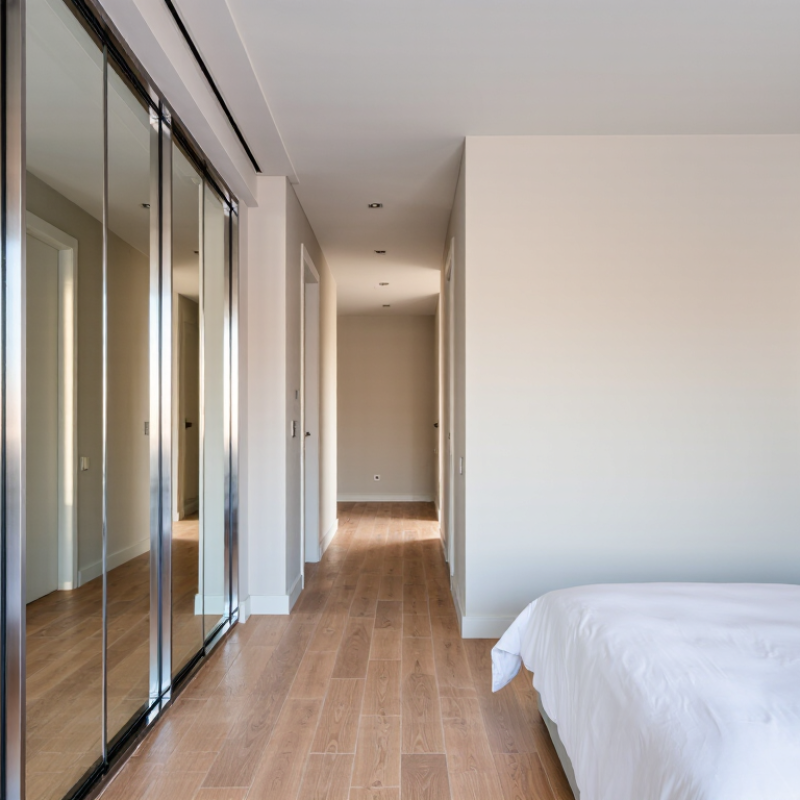
A standing mirror wall is a large reflective surface designed to rest on the floor, either independently or with added wall support. Unlike a small dressing mirror, it can show most or all of a person at once. Its frame, backing, base, and edge finish affect stability and everyday use. Small details matter.
In homes, these mirrors are useful in bedrooms, dressing areas, and narrow hallways where checking an outfit quickly is convenient. Dance and fitness studios use broad mirror panels to help people observe posture and movement. Retail fitting areas may use them to make clothing checks easier, while salons use them for full-length views after styling. Good lighting helps; reflections can look different in dim or uneven rooms.
For professional spaces, measure the available floor area and check how the mirror will be secured before installation. A freestanding unit can be easier to reposition, but it may need more careful placement around children, pets, or busy walkways. Check the glass type, backing, frame joints, and manufacturer’s handling instructions. One detail buyers sometimes overlook is glare from nearby windows. A mirror may be well made and still feel uncomfortable in the wrong spot. It is worth testing the location with daylight and room lighting before deciding.
This guide compares ten commonly specified standing-mirror and mirror-wall configurations for global sourcing. It is a product and application overview, not a ranked list of manufacturers; no company or brand data is included.
| No. | Mirror Configuration | Typical Format and Indicative Size | Common Construction Details | Main Applications | Key Buyer Checks |
|---|---|---|---|---|---|
| 1 | Cheval standing mirror | Freestanding framed mirror; commonly about 1,500–1,800 mm high and 400–600 mm wide. | Pivoting mirror in a floor-standing frame; frame materials can include wood or metal. | Bedrooms, dressing areas, guest rooms, and residential interiors. | Check base stability, pivot hardware, frame finish, packing protection, and whether the mirror can be secured against tipping. |
| 2 | Full-length leaning mirror | Large rectangular mirror, often about 1,500–1,900 mm high and 400–800 mm wide. | Framed or frameless glass designed to rest against a wall; may include anti-tip hardware. | Bedrooms, walk-in closets, boutiques, and residential dressing spaces. | Confirm the intended lean angle, wall-protection details, rear support, anti-tip fittings, and safe handling requirements. |
| 3 | Wall-mounted full-length mirror | Vertical panel commonly around 1,200–2,000 mm high, with width selected for the available wall space. | Mirror glass with mechanical clips, brackets, or a concealed mounting system; polished edges are commonly specified. | Bedrooms, hotel rooms, corridors, wardrobe areas, and entryways. | Verify wall type, fixing capacity, installation clearances, edge finish, and whether safety backing is required. |
| 4 | Multi-panel dressing mirror wall | Several vertical panels arranged across a wall; overall width is project-specific and height is often full-length. | Aligned mirror panels with visible or concealed joints, installed on a prepared substrate or mounting system. | Walk-in closets, changing rooms, fashion studios, and premium residential dressing areas. | Review panel alignment, joint spacing, substrate flatness, access for replacement, and a coordinated installation drawing. |
| 5 | Dance studio mirror wall | Large, wide mirror panels installed side by side; dimensions are designed around the studio wall. | Mirror panels mounted to a stable, flat backing system; safety film or other breakage-control measures may be specified. | Dance studios, rehearsal rooms, movement schools, and fitness instruction spaces. | Ask about distortion control, panel joints, secure fixing, impact-risk planning, and installation by qualified personnel. |
| 6 | Gym and fitness mirror wall | Broad wall coverage using multiple panels; panel sizes depend on room layout and access for installation. | Mirror glass selected for the project, with suitable backing, edge protection, and a secure mounting method. | Fitness clubs, weight rooms, exercise studios, and training facilities. | Assess impact exposure, user traffic, wall condition, panel replacement access, and locally applicable safety requirements. |
| 7 | Retail fitting-room mirror | Full-length vertical mirror sized to suit the fitting-room wall or door area. | Framed or frameless mirror with durable edges and fittings selected for frequent commercial use. | Clothing stores, department stores, showrooms, and changing areas. | Check image clarity, privacy and placement, resistance to frequent cleaning, mounting security, and replacement lead times. |
| 8 | Hotel wardrobe or entry mirror | Full-length panel integrated beside a wardrobe, on a door, or on an entry wall; size varies by room plan. | Mirror panel coordinated with furniture or interior finishes; concealed or flush fittings may be used. | Hotels, serviced apartments, guest rooms, and hospitality suites. | Coordinate dimensions with joinery drawings, door movement, lighting, cleaning access, and the property's safety specification. |
| 9 | Salon and dressing-area mirror | Large vertical mirror, sometimes paired with a workstation or installed as a series along a wall. | Framed or frameless panels with finishes chosen to suit a commercial interior and regular maintenance. | Hair salons, makeup studios, costume rooms, and professional dressing areas. | Check lighting reflections, splash and cleaning conditions, edge protection, mounting strength, and compatibility with nearby fixtures. |
| 10 | Decorative freestanding mirror screen | One or more tall mirror panels on a floor-supported frame; overall dimensions depend on the screen design. | Panel-and-frame construction, sometimes folding or movable; stability depends on the base and frame design. | Retail displays, event spaces, dressing rooms, and flexible interior layouts. | Confirm tip resistance, locking or hinge hardware, floor protection, transport packaging, and suitability for the intended traffic level. |
Specification note: Dimensions shown are indicative planning ranges, not universal standards. Mirror thickness, glass type, safety backing, edge treatment, mounting method, and compliance requirements should be confirmed for the project, destination market, and installation conditions.