Why Choose a Cosmetic Bed for Your Beauty Business?
A beauty business is often judged through small, visible details. Clients notice whether the treatment room feels clean, calm, and professionally prepared. A Cosmetic Bed can influence that first impression before the service begins. Its padded surface supports comfortable positioning during facials, waxing, massages, and other non-invasive treatments. Smooth upholstery also makes cleaning more consistent between appointments. That matters when lotions, oils, or makeup products reach the surface.
Comfort affects more than client satisfaction. It can help professionals maintain better posture during detailed work. Adjustable height and backrest features may reduce unnecessary bending throughout a busy day. A stable frame can also support safer movement when clients sit down or stand up. However, features vary widely between models. A lower price does not always mean poor quality, and a higher price does not guarantee suitability. Careful comparison remains essential.
The right Cosmetic Bed should match your services, room size, client needs, and cleaning routine. Measure doorways and treatment areas first. Check the working height, weight capacity, warranty, and replacement-part availability. Ask whether the upholstery resists common disinfectants. These details can prevent expensive mistakes later. Still, a cosmetic bed cannot repair weak service standards or poor hygiene. It is only one part of a reliable client experience. Even a well-designed bed may feel unsuitable after several long appointments. Testing the bed personally can reveal pressure points, awkward controls, or limited legroom. That practical check is easy to overlook, yet it may shape daily efficiency and client trust.
What Is a Cosmetic Bed and How Is It Used?
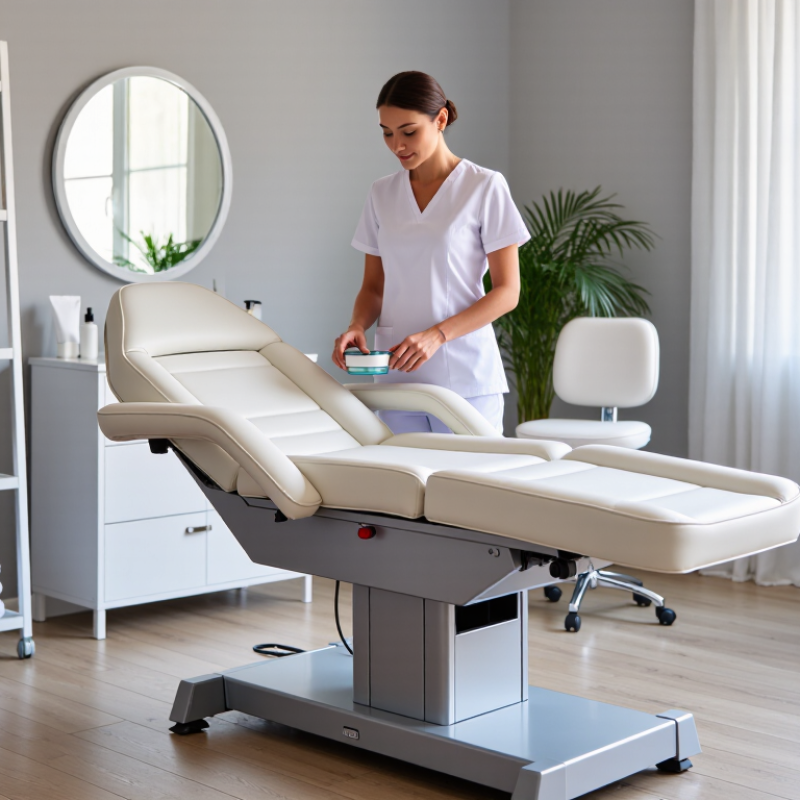
A cosmetic bed is a padded, adjustable platform designed for beauty treatments. It supports the client during facials, waxing, massage, lash services, and skincare procedures. Most models allow changes to height, back angle, or leg position. These adjustments help professionals work with better posture and clearer access.
In daily use, the practitioner prepares the bed before the client arrives. The surface should be clean, stable, and covered with fresh, washable protection. A client may lie flat for a facial or sit slightly raised during a consultation. Small adjustments matter. They can reduce neck strain and improve comfort during longer treatments. Practitioners should explain each movement before changing the bed’s position.
A suitable cosmetic bed can also improve the working environment. It gives tools a consistent treatment height and helps create a more organized room. However, it is not a complete solution. A bed that feels impressive may still lack useful support or easy cleaning features. In my experience, comfort depends on both the equipment and the setup around it. Room space, practitioner height, client mobility, and treatment type all deserve careful attention. Safety checks should include the frame, hinges, upholstery, and weight capacity. Staff also need practical training. Even a well-designed bed can cause discomfort when used carelessly.
Why Choose a Cosmetic Bed for Your Beauty Business?
A cosmetic bed is an adjustable treatment bed designed to support beauty services such as facials, waxing, lash extensions, microneedling, and massage. Its reclining backrest and adjustable height help improve client comfort, practitioner posture, and treatment access.
The chart shows common appointment durations for services frequently performed on a cosmetic bed. Longer treatments benefit especially from stable cushioning, adjustable positioning, and ergonomic support. Actual service times vary according to the treatment protocol and provider.
Key Features That Support Professional Beauty Treatments
Why Choose a Cosmetic Bed for Your Beauty Business?
Key Features That Support Professional Beauty Treatments
A cosmetic bed is more than furniture. It shapes comfort, treatment quality, and client confidence. In daily practice, small design choices become very noticeable. A height-adjustable frame helps practitioners maintain better posture during detailed work. Stable supports also reduce unwanted movement during facial treatments, waxing, or massage. Dense, supportive foam can improve client comfort during longer appointments. Smooth, waterproof upholstery makes cleaning faster and more consistent. That detail matters. A removable headrest and adjustable back section can support different treatment positions. However, comfort preferences vary, so one configuration may not suit every client.
Tips: Test the bed in your actual treatment room. Check the lowest and highest working positions. Make sure the base remains stable during adjustment. Review the stated weight capacity and cleaning instructions carefully. Leave enough space for movement around both sides. Do not rely only on attractive photos.
Professional treatments also require practical access. Side space can help practitioners reach products without twisting. Built-in armrests, storage, or accessory ports may improve workflow when designed well. Electrical models should include clear operating instructions and suitable safety features. I once underestimated how much cleaning time upholstery texture could add. That mistake changed my buying priorities. A bed should support hygiene routines, not complicate them. Ask about maintenance, replacement parts, and service procedures before purchase. A careful trial can reveal weaknesses that specifications do not show.
How a Cosmetic Bed Improves Client Comfort and Safety
In a beauty business, a cosmetic bed is more than a place to lie down. It shapes how safely each treatment begins and ends. In my experience, clients relax faster when the surface feels stable, padded, and easy to adjust. A calm client moves less. That helps the professional maintain controlled hand movements during facial, brow, or body treatments. Still, comfort is personal. A very soft cushion may feel pleasant at first, but it can reduce support during longer appointments.
A well-designed bed should allow practical height and backrest adjustments. Correct positioning helps reduce awkward bending for the practitioner and pressure points for the client. Smooth hinges, secure locks, and a suitable weight rating deserve close attention. Small details matter. I check these features before opening, not after a client is already lying down. The face opening, arm placement, and leg support should also be assessed for breathing and circulation. These points are easy to overlook.
Cleanability is part of safety, not merely appearance. Non-porous upholstery and sealed seams make it easier to follow a consistent disinfection routine between clients. A disposable cover may add protection, but it cannot replace proper cleaning. Staff should explain adjustments before moving the bed and confirm comfort throughout the service. That conversation builds trust and can reveal numbness, dizziness, or strain early. No bed solves every risk. Room layout, operator training, and regular hardware checks remain essential. A polished setup can still hide weak maintenance.