2026 Best Reverse Osmosis Water Softener Systems?

A reverse osmosis water softener can sound like one appliance, but it often combines two different treatments. A softener typically exchanges calcium and magnesium ions. Reverse osmosis pushes water through a membrane to reduce dissolved substances. The distinction matters when comparing systems, replacement filters, and ongoing costs.

The U.S. Geological Survey explains that water hardness mainly comes from dissolved calcium and magnesium, and its national maps show that levels vary by location. NSF/ANSI 44 covers residential cation-exchange water softeners; NSF/ANSI 58 covers reverse-osmosis drinking-water systems. These standards offer useful checkpoints, but certification does not mean every model performs identically. Check the exact product listing and the specific contaminant-reduction claims.

Water-resource scientist Dr. Peter H. Gleick has emphasized the importance of reliable access to safe water; that broad principle is relevant here, though it is not a product endorsement. A system still has to suit the water entering your home. A family with scale on its kettle may need a different setup from someone focused on drinking-water taste. Look for published performance data, documented maintenance needs, and clear replacement-filter costs. Also consider the drain connection and the space beneath the sink. Small details matter.

There is no universal winner. This guide compares leading 2026 options by treatment approach, verified claims, upkeep, and practical fit. One caveat: a polished specification sheet cannot replace a water test. And tests can be overlooked.
2026 Best Reverse Osmosis Water Softener Systems?

How Reverse Osmosis and Water Softening Work Together

Water softening and reverse osmosis solve different water problems. A softener mainly reduces calcium and magnesium, the minerals that leave white scale on kettles and showerheads. The U.S. Geological Survey classifies water above 180 milligrams per liter as calcium carbonate as very hard. A softener can help protect plumbing and appliances, but it does not remove every dissolved substance. That distinction matters.

Reverse osmosis uses a membrane to reduce many dissolved ions and other impurities. The U.S. Environmental Protection Agency sets 500 milligrams per liter for total dissolved solids as a non-enforceable secondary drinking-water standard, mainly related to taste and appearance.

In many homes, a softener before an RO unit can limit scale buildup on the membrane. The right arrangement depends on water testing and equipment instructions. A practical check: test hardness, TDS, and sodium before choosing a setup.

Some softeners add sodium during treatment, while RO can reduce it. Not magic. A drain line also matters; conventional RO units send some feedwater to the drain, and the amount varies by design and pressure.

The less tidy detail is that softened water may taste different, even when the numbers look better. Test, then decide.
Main Components of an RO Water Softener System

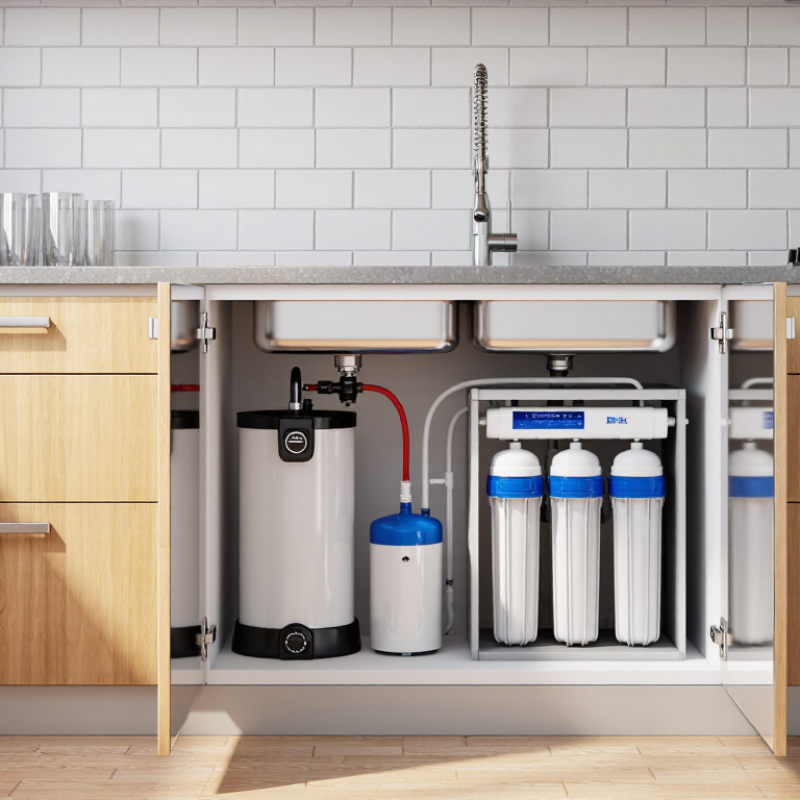
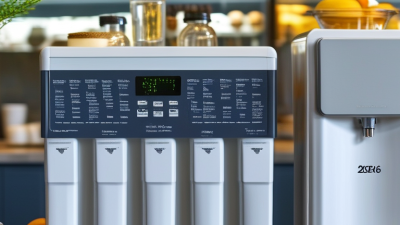
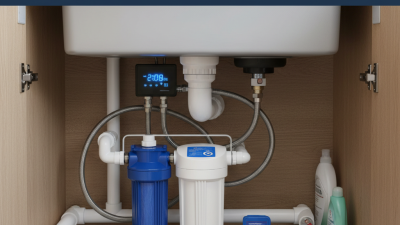
A reverse osmosis water softener system combines separate jobs: softening reduces hardness, while the RO membrane reduces dissolved substances. The inlet valve and sediment filter catch grit before it reaches the carbon filter, which helps reduce chlorine that can damage some membranes. Then comes the ion-exchange softener, usually paired with a brine tank. Its resin trades calcium and magnesium ions for sodium ions. The RO membrane follows. Small parts count.

A pressure regulator, storage tank, post-filter, and drain line complete the treatment path. The tank stores filtered water for a faucet; the drain carries away concentrated reject water. EPA’s 2024 WaterSense specification sets minimum efficiency and recovery ratings of 30% for qualifying point-of-use RO systems. That figure makes wastewater performance worth checking, not just filtration claims. WHO’s 2022 drinking-water guidelines note that water below 600 mg/L total dissolved solids is generally palatable, while levels above 1,000 mg/L can be increasingly unpalatable. TDS alone does not confirm safety.

Sizing can be less tidy than diagrams suggest. A hardness test helps select softener capacity, but water use and changing source conditions also matter. A single test may not tell the whole story. Check for a shutoff valve, pressure gauge, and accessible filter housings; these make routine servicing easier. Follow the system’s specified replacement intervals, and test treated water when performance changes.

How to Compare Capacity, Efficiency, and Water Quality

Capacity is not one number. A softener is usually rated by grain capacity, while a reverse osmosis unit is often rated by daily output. Match the softener’s capacity to your household’s hardness, iron level, and peak water demand. For RO, check whether the stated output fits your actual use, especially if several people cook and drink water at home. A large rating can look reassuring, but it does not tell the whole story.

Efficiency and water quality need equal attention. Compare salt and water use during softener regeneration, plus the RO system’s wastewater ratio. These figures depend on water pressure, temperature, and feed-water quality, so treat lab ratings as a starting point. Test your tap water before choosing; hardness, dissolved solids, and specific contaminants call for different checks. Soft water does not automatically mean low dissolved solids. Nor does one filter remove every contaminant. It is easy to overvalue a single headline number.

Tips: Ask for the rated capacity under conditions close to your home’s water test. Check replacement schedules, storage-tank size, and service access. Small details matter. Keep a simple record of water tests and filter changes after installation. If results vary, retest before assuming the system has failed. I would compare measured output and maintenance costs, not just the brochure figures.

2026 Best Reverse Osmosis Water Softener Systems? — How to Compare Capacity, Efficiency, and Water Quality

Water-hardness classes are a useful starting point for comparing treatment needs. The chart shows USGS classifications in milligrams per liter (mg/L) as calcium carbonate.

How to compare systems: Match a softener’s grain capacity to your measured hardness and household water use. Compare salt and water consumption at the same stated capacity. For reverse osmosis, check certified contaminant-reduction claims and the system’s water efficiency; these vary by model. Hardness alone does not indicate the full water-quality profile. The “Very hard” bar ends at 240 mg/L for display; this class means above 180 mg/L. Source: U.S. Geological Survey.

Installation, Maintenance, and Long-Term Costs

A reverse osmosis system and a water softener solve different problems. A softener treats hard water throughout the home; reverse osmosis usually filters drinking water at one tap. Before installation, test hardness and total dissolved solids. The results help determine whether both systems are useful.

Plan space for the softener tank, filter housing, and storage tank. Check for a nearby drain, shutoff valve, and accessible power if the equipment requires it. A plumber can assess water pressure and existing pipework, which may affect installation time and cost. Keep the filters reachable. That detail is easy to overlook.

Maintenance brings recurring expenses. Softener salt may need topping up every few weeks, depending on water use and hardness. Reverse osmosis prefilters commonly need periodic replacement, while the membrane lasts longer but eventually needs changing. Follow the equipment’s service schedule and watch for slower water flow or unusual taste. Small changes matter. Long-term costs also include installation labor, replacement parts, and water sent to the drain during filtration. Exact totals vary by household; I would not trust a single annual estimate without local water and labor prices.

How to Choose the Best RO Water Softener System in 2026

Choosing the best RO water softener system in 2026 starts with testing your water, not comparing feature lists. A softener reduces calcium and magnesium that cause scale; reverse osmosis treats drinking water at a separate tap. They solve different problems. The USGS classifies water above 120 milligrams per liter as calcium carbonate as hard, and above 180 as very hard. Measure first. A basic hardness test, plus a lab test for specific contaminants, helps determine whether you need both systems.

Check certification and operating costs. NSF/ANSI 58 covers point-of-use reverse osmosis systems, including performance testing and material safety requirements. EPA WaterSense specifications set a minimum efficiency rating of 30% for qualifying RO systems, helping limit water sent to the drain. That matters. Compare replacement-filter schedules, membrane costs, storage-tank capacity, and wastewater output—not just the purchase price. A compact kitchen may not have room for a large tank.

Match capacity to household use and confirm that the softener is sized for measured hardness and daily demand. Ask whether the RO unit needs pre-treatment; very hard water can increase maintenance needs. I would not assume one combined cabinet means one simple solution. It may simplify installation, but performance still depends on incoming water and timely filter changes. Keep test results and service dates. They make future decisions less guesswork.

2026 Best Reverse Osmosis Water Softener Systems? - How to Choose the Best RO Water Softener System in 2026

System Configuration What It Treats Softening Performance Typical Installation Scope Best Suited For Key Considerations
Under-sink reverse osmosis (RO) only Reduces many dissolved substances in water supplied to a dedicated drinking-water faucet. RO membranes also reduce dissolved calcium and magnesium. Can reduce hardness in treated water at the point of use; does not soften water throughout the home. Usually installed beneath a kitchen sink and connected to a dedicated faucet. Some designs use a storage tank; others are tankless. Households seeking treated drinking and cooking water without installing a whole-home softener. Membrane performance and output depend on feed-water pressure, temperature, chemistry, and maintenance. Reject-water volume varies by system and operating conditions.
Ion-exchange water softener followed by point-of-use RO The softener exchanges calcium and magnesium ions for sodium or, where appropriate, potassium. The RO unit further treats water at a drinking-water tap. Softens water supplied to the areas connected to the softener; RO provides additional treatment at its dedicated outlet. Typically includes a whole-home softener near the water entry point and an under-sink RO unit at a selected tap. Homes with hard water that want softened household water as well as RO-treated drinking water. Requires space, drainage, and periodic salt replenishment for a salt-based softener. Softening adds sodium to the treated water; people on sodium-restricted diets may wish to discuss drinking-water options with a healthcare professional.
Salt-free conditioner paired with point-of-use RO A conditioner may reduce scale formation under specified conditions. The RO unit treats water at its dedicated outlet. A conditioner does not remove calcium and magnesium in the way an ion-exchange softener does. The RO unit can reduce hardness in its treated drinking water. Conditioner is generally installed on a selected household water line; RO is commonly installed beneath a sink. Households primarily concerned with scale management that do not require conventionally softened water. Check the device’s independently verified claims and suitability for the local water. “Salt-free” does not necessarily mean that water hardness is removed.
Whole-house RO system RO treats a large share of the household water supply, subject to system design and pretreatment. Can reduce hardness in the treated supply, but requires a system designed for whole-house flow and water use. Usually requires substantial pretreatment, storage, pumping, drainage, and professional system design. Special applications where broad reduction of dissolved substances is required and the installation can support the system. Often more complex and costly than point-of-use RO. Water recovery, peak flow, storage capacity, wastewater handling, and remineralization or corrosion control should be assessed by a qualified water-treatment professional.
RO with a post-treatment remineralization stage RO reduces dissolved substances; a downstream cartridge may add selected minerals or adjust taste and pH. Remineralization occurs after the membrane and does not soften the incoming household water. Usually part of an under-sink drinking-water system. Users who prefer the taste or characteristics of water after a remineralization stage. Added minerals do not replace the need to manage household hardness where scale control is required. Cartridge composition and replacement intervals vary.

How to choose: Test the source water first, including hardness and other relevant contaminants. For whole-home hardness reduction, compare properly sized ion-exchange softeners. For drinking-water treatment at one tap, compare RO systems certified for the specific reduction claims you need. An RO unit and a water softener perform different jobs and are not interchangeable.

Common Water-Hardness Reference

Hardness Category Hardness as Calcium Carbonate (mg/L) Approximate Grains per Gallon (gpg)
Soft 0–60 0–3.5
Moderately hard 61–120 3.6–7.0
Hard 121–180 7.1–10.5
Very hard Above 180 Above 10.5

Reference conversion: 1 grain per gallon is approximately 17.1 mg/L as calcium carbonate. Categories are commonly used guidelines; local definitions and test methods may differ. System capabilities, certifications, maintenance needs, and actual performance vary by model and water conditions.