2026 Top Hard Water Softener Types for Global Buyers

For global buyers, choosing a hard water softener starts with the water, not the product label. A home in Dubai may face scale-heavy supply, while a rural Canadian property may rely on a private well. Water hardness, iron, manganese, pressure, flow rate, and household size all affect performance. Test the water before comparing models. Simple kits help, but certified laboratory testing gives stronger evidence. Small details matter: white rings on a kettle and stiff laundry often signal a real scaling problem. Yet these signs do not reveal the full chemistry. That uncertainty deserves attention.

This guide examines the main hard water softener types available in 2026. Ion-exchange systems remain widely used for measurable hardness reduction. Salt-free conditioners may reduce scale, but they do not truly remove calcium and magnesium. Reverse osmosis can polish drinking water, although it is not usually a whole-house substitute. Magnetic and electronic devices attract interest, but buyers should demand independent, repeatable evidence. Marketing claims can sound convincing. They are not the same as verified performance. Good decisions depend on installation conditions, regeneration needs, drain access, energy use, and replacement costs.

Reliable purchasing also requires local context. Check drinking-water standards, electrical requirements, plumbing connections, salt disposal rules, and available service support. Look for transparent test data, clear warranties, and manuals written for real maintenance. A reputable supplier should explain capacity in grains or milligrams per litre, not use vague “maximum protection” language. Ask what happens during power cuts or low-pressure periods. Plan for tomorrow. No type fits every market or household. Even experienced buyers can misjudge demand during seasonal occupancy. This comparison aims to make those trade-offs visible, practical, and easier to verify before investment.
2026 Top Hard Water Softener Types for Global Buyers

Hard Water Benchmarks: 121–180 mg/L as CaCO₃ Means “Hard”

For global buyers, water hardness is not an abstract number. When laboratory results show 121–180 mg/L as CaCO₃, the water is generally classified as hard. Classification bands differ between regions, so confirm the local standard before comparing equipment. Hard water often leaves white scale inside kettles, showerheads, and hot-water tanks. Scale appears quickly.

A reliable assessment combines a recent laboratory test with an estimate of daily water use. Test before choosing. A quick strip test can mislead, especially when hardness changes between seasons or supply sources. Ion-exchange softeners remove calcium and magnesium, making them suitable for homes with persistent scale. Salt-free conditioners may reduce scale formation, but they do not truly soften the water. Under-sink reverse osmosis systems can treat drinking water, but they are not whole-house solutions.

At 121–180 mg/L, many households need practical scale control rather than the largest available system. Check resin capacity, regeneration water, electricity needs, and maintenance access. Local discharge rules and sodium preferences also matter. A unit sized too small may regenerate constantly. One sized too large can waste resources. My experience suggests that flow rate deserves equal attention. A family may accept softer water, but not a weak shower. No chart fits every home, and test results should be reviewed before purchase.
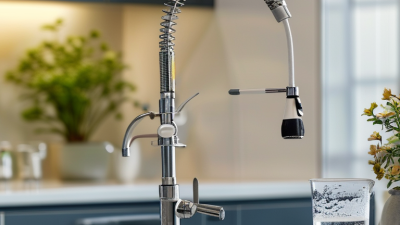
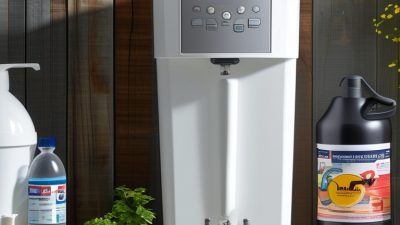
Ion-Exchange Softeners: 20,000–80,000 Grain Capacity Options

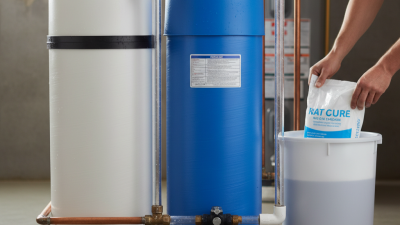
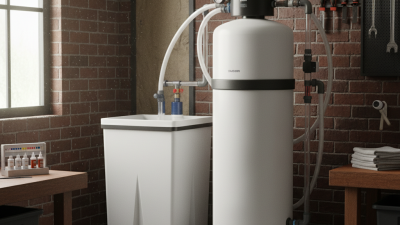
Ion-exchange softeners remain a practical choice for hard water treatment in 2026. They exchange calcium and magnesium ions for sodium or potassium ions. This process can reduce scale on shower glass, heating elements, and kitchen fixtures.

Capacity options from 20,000 to 80,000 grains cover many residential applications. A 20,000-grain unit may suit a small apartment or low-use household. Larger homes often need 40,000 to 80,000 grains, especially with several bathrooms. However, capacity is not simply tank size. It describes the hardness removal available between regeneration cycles. A basic sizing estimate uses daily water use, hardness in grains per gallon, and desired service days. Leave reserve capacity for weekends and unexpected guests. It helps.

Buyers should request a current water test before selecting equipment. Iron, manganese, sediment, and chlorine can affect resin performance or require pre-treatment. Check the stated service flow rate, salt use, regeneration controls, drain requirements, and local power conditions. A high-capacity model may perform poorly if household pipes cannot support its peak flow. This is often overlooked. Rated capacity can also change with salt settings and operating conditions. In practice, the most efficient setting may not deliver the maximum advertised grains. That trade-off deserves careful review, not a quick comparison based on numbers alone.

2026 Top Hard Water Softener Types for Global Buyers - Ion-Exchange Softeners: 20,000–80,000 Grain Capacity Options

Rated Capacity Equivalent CaCO₃ Capacity Typical Resin Volume Recommended Household Size Typical Service Flow Rate Typical Salt Dose per Regeneration Approximate Water Treated at 300 mg/L Hardness Common Installation Configuration Best Use Case
20,000 grains Approximately 1.30 kg CaCO₃ About 0.50 ft³ / 14 L 1–2 people Up to approximately 7 gpm / 26 L/min Approximately 6–10 lb / 2.7–4.5 kg Approximately 4,300 L per full rated capacity Compact single-tank system Small apartments, guest houses, and low-flow applications
24,000 grains Approximately 1.56 kg CaCO₃ About 0.50–0.75 ft³ / 14–21 L 1–3 people Approximately 7–9 gpm / 26–34 L/min Approximately 6–12 lb / 2.7–5.4 kg Approximately 5,200 L per full rated capacity Compact cabinet or single-tank system Small homes with moderate hardness and limited cabinet space
32,000 grains Approximately 2.07 kg CaCO₃ About 0.75 ft³ / 21 L 2–3 people Approximately 8–10 gpm / 30–38 L/min Approximately 8–15 lb / 3.6–6.8 kg Approximately 6,900 L per full rated capacity Single tank with metered control valve Small to medium homes with average daily water demand
40,000 grains Approximately 2.59 kg CaCO₃ About 1.00 ft³ / 28 L 3–4 people Approximately 9–12 gpm / 34–45 L/min Approximately 10–18 lb / 4.5–8.2 kg Approximately 8,600 L per full rated capacity Standard single-tank residential system Typical family homes with moderate to hard water
48,000 grains Approximately 3.11 kg CaCO₃ About 1.25 ft³ / 35 L 3–5 people Approximately 10–14 gpm / 38–53 L/min Approximately 12–20 lb / 5.4–9.1 kg Approximately 10,400 L per full rated capacity Single tank with larger brine cabinet Larger households or areas with higher hardness levels
64,000 grains Approximately 4.15 kg CaCO₃ About 1.50 ft³ / 42 L 4–6 people Approximately 12–16 gpm / 45–61 L/min Approximately 15–25 lb / 6.8–11.3 kg Approximately 13,800 L per full rated capacity Large single-tank residential system High-hardness water, large families, and homes with several bathrooms
72,000 grains Approximately 4.67 kg CaCO₃ About 1.75 ft³ / 50 L 5–7 people Approximately 13–18 gpm / 49–68 L/min Approximately 18–30 lb / 8.2–13.6 kg Approximately 15,500 L per full rated capacity Large single tank or twin alternating system High-demand homes and small lodging facilities
80,000 grains Approximately 5.18 kg CaCO₃ About 2.00 ft³ / 57 L 6–8 people Approximately 14–20 gpm / 53–76 L/min Approximately 20–35 lb / 9.1–15.9 kg Approximately 17,300 L per full rated capacity Large single tank or twin alternating system Large residences, guest houses, and light commercial applications

Planning note: One grain equals approximately 64.8 mg of calcium carbonate equivalent. Actual usable capacity depends on resin quality, salt dose, water temperature, iron or manganese content, regeneration settings, and local water hardness. The water-volume figures above are theoretical estimates at 300 mg/L hardness and should not be used as a substitute for manufacturer testing or local water analysis.

Salt-Free TAC Conditioners: 3–5-Year Media Service Life

For global buyers, salt-free TAC conditioners are increasingly considered for homes that want scale control without brine discharge. TAC means template-assisted crystallization. It changes dissolved hardness minerals into microscopic crystals, rather than removing calcium or magnesium. The U.S. Geological Survey classifies water above 180 mg/L as very hard, where visible scale commonly appears on taps, heaters, and shower glass.

A typical TAC media bed can serve for 3–5 years, according to technical guidance used across the water-treatment industry. Actual life depends on hardness, silica, iron, chlorine, flow rate, and daily water volume. Hard water is not automatically unsafe. The World Health Organization describes calcium and magnesium as essential minerals, while noting that hardness mainly creates operational and aesthetic problems. That distinction matters.

TAC systems need accurate pretreatment. Sediment can coat the media. Iron can reduce contact performance. High chlorine may also shorten useful life. WQA guidance recommends testing incoming water before selecting treatment equipment, not relying on hardness alone. A field check should record hardness, pH, iron, manganese, silica, and peak flow.

The 3–5-year estimate is practical, not guaranteed. Some installations may reach five years. Others fail earlier. A neglected filter can make a good conditioner look ineffective. I have seen buyers focus on cartridge size while ignoring water chemistry. That is an expensive mistake. Media replacement should follow performance testing, pressure changes, and the supplier’s validated capacity data.

Reverse Osmosis Systems: Typical 2.5:1–5:1 Reject-Water Ratios

Reverse Osmosis Systems: Typical 2.5:1–5:1 Reject-Water Ratios

For global buyers facing hard water, reverse osmosis can produce very clean drinking water. However, the process also creates reject water. A typical system may discharge 2.5 to 5 liters for every liter treated. This ratio is not fixed. Feed pressure, temperature, membrane condition, and water hardness all influence performance.

In practical installations, heavily mineralized water often produces more reject water. Poor pretreatment can reduce membrane efficiency and shorten service life. Sediment filters, carbon stages, and suitable scale control may improve recovery. Yet, higher recovery is not always better. Excessive recovery can concentrate calcium and magnesium near the membrane surface. That may increase scaling and maintenance costs. A small household unit may show different results from a larger commercial system.

Tips: Measure the actual ratio with two containers and a timer. Check results during cold and warm seasons. Ask suppliers for recovery data under your local water conditions. Reuse reject water for floor cleaning or landscape irrigation, where local rules allow it. Do not assume every published figure matches your installation. That assumption is easy, but often wrong. A water test before purchase remains the most reliable starting point.

Global Buyer Standards: NSF/ANSI 44, 58, and 61 Certification Checks

Choosing a hard water softener in 2026 requires more than comparing grain capacity or salt use. Global buyers should match the equipment type with the correct certification scope. NSF/ANSI 44 mainly covers residential cation exchange water softeners. It evaluates softening performance, material safety, and structural reliability. This standard does not automatically cover every electronic or salt-free device.

Check the details carefully. A certificate should show the exact model number, certified standard, testing scope, and current validity. A test report alone is not certification.

For systems using reverse osmosis after softening, NSF/ANSI 58 is relevant to membrane performance, contaminant reduction, and recovery claims. The two standards address different functions. One cannot replace the other.

NSF/ANSI 61 focuses on components that contact drinking water. Inspect tanks, valves, seals, resin containers, and fittings. A small kitchen faucet can matter as much as the main unit. Ask whether the certified parts match the supplied configuration. Also verify the certification body through its public directory. Local import rules may still require additional documents. Certification is not a universal legal approval.

A practical review should include installation manuals, replacement media, drain requirements, and service records. Do not trust a polished label alone. Some listings use vague wording, and buyers may overlook the certification scope. I would also question old certificates without a clear renewal date. Standards improve confidence, but careful verification remains necessary.