Top 10 Home Water Treatment Systems to Ensure Pure Water?
Ensuring access to pure water is a critical aspect of home health. According to the CDC, nearly 13 million U.S. citizens rely on untreated water systems. This poses various health risks, including exposure to contaminants. Home water treatment systems are essential to mitigate these risks and provide safe drinking water.
The global water treatment market was valued at approximately $26 billion in 2022 and is expected to grow significantly. Home water treatment solutions, such as reverse osmosis systems and UV purifiers, play a vital role in this growth. These technologies not only enhance water quality but also improve taste and odor.
However, choosing the right system can be challenging. Many homeowners may fall prey to misinformation. Some systems may not be designed to address specific local contaminants. This underscores the importance of professional guidance when selecting a home water treatment solution. Understanding your water source and its unique challenges is crucial in this journey for safe drinking water.
Overview of Home Water Treatment Systems
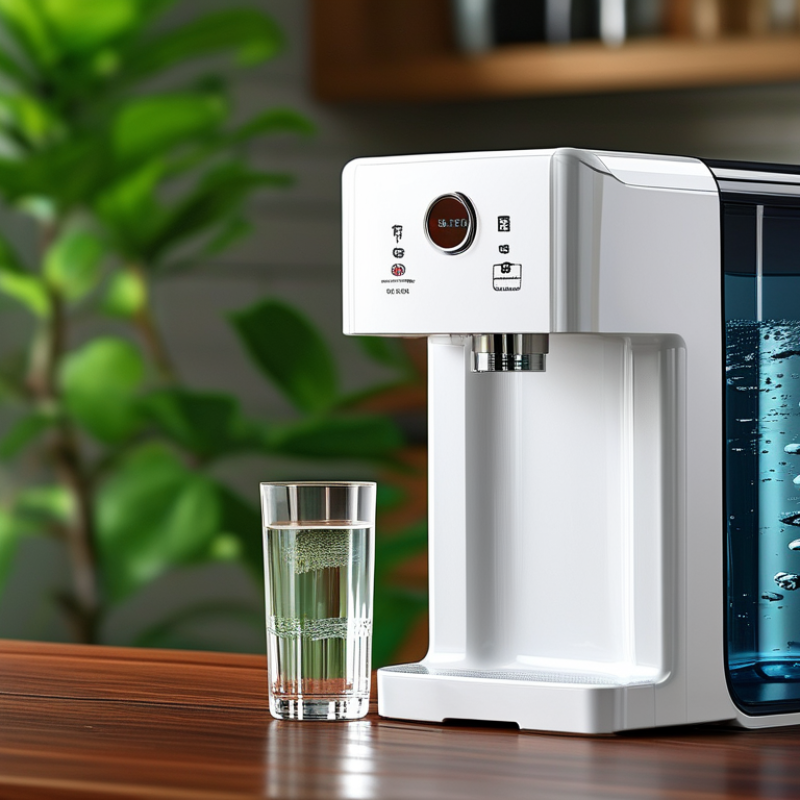
Home water treatment systems play a crucial role in ensuring safe drinking water. They address common contaminants found in municipal and private water sources. These systems can remove chlorine, heavy metals, and microorganisms. The need for clean water is universal, yet many lack awareness of the solutions available.
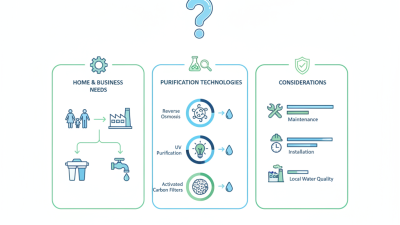
When exploring home water treatment options, consider various methods. Activated carbon filters are popular for their ability to improve taste and odor. Reverse osmosis systems provide more thorough filtration, removing even tiny particles. Some households opt for UV purifiers to eliminate harmful bacteria. Each of these systems has its strengths and limitations, reflecting the complexity of water quality.
Accessing clean water is a basic necessity, yet many systems require maintenance and regular filter changes. Users must stay informed about their system’s performance. It is essential to periodically test water quality to ensure the system functions correctly. Awareness of personal usage patterns can help households choose the best solution for their needs. Each type of treatment system involves different costs, efficiency rates, and installation complexities. Making an informed choice can lead to cleaner, safer drinking water.
Benefits of Using Water Treatment Systems for Home
Water treatment systems provide essential benefits for households. They remove impurities, ensuring cleaner and healthier drinking water. Many systems utilize multiple filtration methods to achieve this goal. By investing in such technology, families enhance their overall well-being.
Using water treatment systems also leads to cost savings. Bottled water can be expensive, and filtering at home reduces this need. Families can produce pure water on demand. Additionally, home systems often require less maintenance than expected, making them reliable over time.
Regular testing of water quality can point to potential issues. Monitor for changes in taste, color, or odor. Address problems early to maintain optimal water conditions. DIY maintenance can also extend the life of your system. It’s smart to educate yourself about common issues and solutions. Being proactive ensures your water remains safe and pleasant to drink.
Types of Water Contaminants and Their Health Risks
Water quality is a growing concern in many households. Contaminants such as lead, chlorine, and bacteria can pose serious health risks. Lead can leach from old pipes into drinking water. Long-term exposure may lead to developmental issues in children. Chlorine, often used for disinfection, can produce harmful byproducts when it reacts with organic materials in water. These byproducts have been linked to an increased risk of cancer.
Another issue is the presence of microplastics. These tiny particles can enter the water supply through various means. Studies show they can accumulate in the human body, potentially disrupting hormonal functions. Bacteria, including E. coli, can also contaminate the water. This can lead to gastrointestinal illnesses and other serious infections. Understanding these risks is crucial for making informed decisions about home water treatment systems.
It's important to analyze your local water supply regularly. This can help identify specific contaminants present in your area. Investing in a reliable water treatment system can provide peace of mind. However, keep in mind that not all systems are equally effective. You may need to explore various options and consult experts in the field. Regular maintenance of filtration systems is also vital to ensure optimal performance.
Top 10 Home Water Treatment Systems to Ensure Pure Water
| System Type |
Contaminants Removed |
Health Risks |
Estimated Cost ($) |
Lifespan (Years) |
| Reverse Osmosis |
Lead, Chlorine, Nitrates |
Neurological damage, Cancer |
150-600 |
15-30 |
| Activated Carbon Filter |
Chlorine, VOCs |
Respiratory issues |
40-200 |
5-10 |
| Water Distiller |
Heavy metals, Bacteria |
Infections, Organ damage |
150-500 |
10-15 |
| Ultraviolet (UV) Purifier |
Bacteria, Viruses |
Infections |
100-400 |
10-15 |
| Ion Exchange System |
Hardness, Heavy metals |
Kidney stones, Stomach issues |
200-600 |
10-20 |
| Whole House Filtration |
Sediment, Chlorine |
Skin irritation, Allergies |
500-3000 |
10-15 |
| Point-of-Use Filter |
Chlorine, Sediment |
Taste issues |
30-150 |
5-10 |
| Ceramic Filters |
Bacteria, Sediment |
Infections |
20-100 |
5-10 |
| Salt-Free Water Conditioner |
Hardness (scale formation) |
Skin irritation |
400-1200 |
10-15 |
| Alkaline Water Ionizer |
Acidity, Heavy metals |
Stomach issues |
600-3000 |
15-25 |
Key Features to Look for in a Water Treatment System
When selecting a home water treatment system, it's essential to focus on key features that ensure effective purification. Look for systems that are certified to meet high standards. This certification guarantees the system has been rigorously tested. Also, check the filtration technology used. Reverse osmosis, activated carbon, and UV filtration are all reliable methods for removing impurities.
Another critical feature is the system's capacity to handle your household needs. Consider how much water your family consumes daily. A system that cannot keep up will lead to frustration. Ease of maintenance also deserves attention. Filters should be easy to replace, and the system should be simple to clean.
Don’t overlook the importance of customer support. A reputable water treatment system provider should offer guidance and readily address concerns. While price is important, investing in a high-quality system can save money in the long run. Reflect on the specific contaminants that affect your area, from hard minerals to bacteria. Understanding your water quality will help refine your options.
Top 10 Home Water Treatment Systems - Key Features Comparison
This chart presents the effectiveness ratings of various home water treatment systems. Higher ratings indicate better performance in ensuring pure water quality.
Top 10 Recommended Home Water Treatment Systems
When considering the best home water treatment systems, research shows that quality is paramount. A 2021 study by the Water Quality Association revealed that nearly 60% of households consume water with contaminants beyond safe levels. Effective systems can filter out heavy metals, chlorine, and bacteria, ensuring cleaner drinking water.
Among the recommended systems, reverse osmosis (RO) is highly praised. It removes up to 99% of dissolved impurities. Another reliable option is activated carbon filters, which can improve taste and eliminate odors. It’s essential to regularly maintain these systems to ensure efficiency. A recent report noted that 70% of homeowners neglect filter replacement schedules, leading to diminished performance and potential health risks.
While many options exist, not all are suited for every household. Each water source has unique contaminants. Engaging a water quality expert can provide tailored recommendations. However, homeowners should also research and monitor their water quality regularly. Knowledge of specific contaminants can guide effective treatment choices, making awareness as important as any system.