Choosing a supplier for water purification systems involves more than comparing prices or product photographs. A factory may offer compact reverse-osmosis units, stainless-steel treatment skids, or larger systems for commercial and industrial sites. The right fit depends on feed-water quality, required output, installation space, and maintenance capacity. A clear specification can prevent costly mismatches.
This guide introduces ten manufacturers in China and considers the details buyers should check before contacting them. Look for stated treatment capacity, component brands, process diagrams, test records, and practical information about commissioning and spare parts. Ask how the supplier handles changing water conditions; a system designed for one source may perform differently elsewhere. Details matter.
A company profile alone cannot prove product quality, and online claims deserve careful verification. Where available, compare independently verifiable certifications, factory capabilities, and references for similar projects. Also confirm what the quoted package includes, from pretreatment filters to controls and operator training. Some details may remain unclear until a technical discussion. That is worth acknowledging. The list is a starting point, not a substitute for site testing or due diligence. By examining each manufacturer against your operating needs, you can narrow the field with better questions and more realistic expectations.
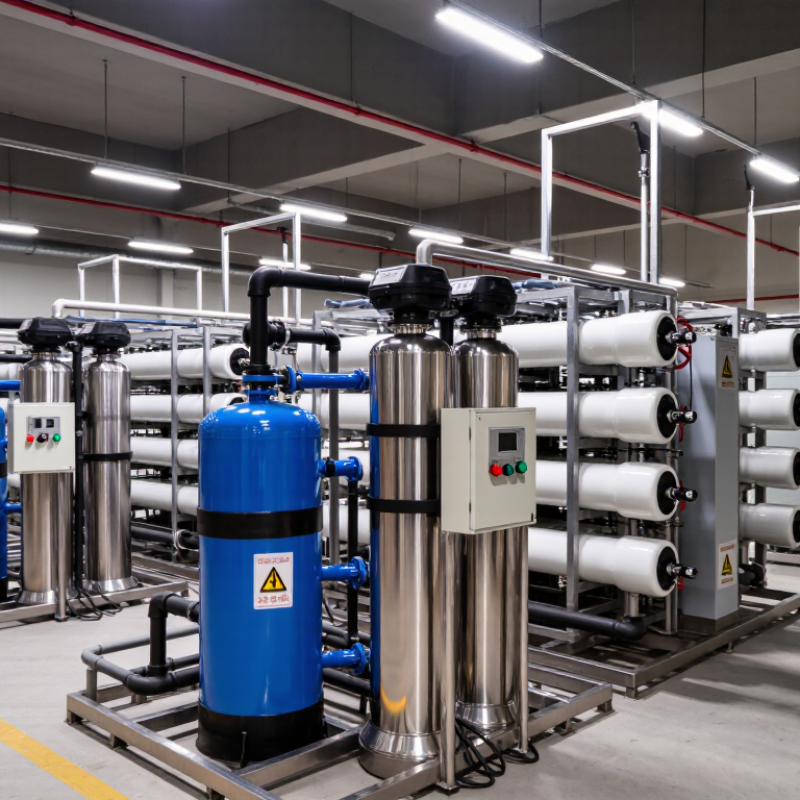
China’s water purification system industry combines equipment manufacturing, component production, and project engineering. Suppliers make household filters, commercial drinking-water units, and larger treatment systems for factories and communities. Common technologies include sediment filtration, activated carbon, reverse osmosis, and ultraviolet treatment. The right combination depends on source water and intended use.
The industry benefits from established manufacturing networks for pumps, membranes, housings, and control components. That can support varied designs and production volumes. But product quality is not uniform. A polished cabinet does not prove reliable performance. Buyers should review test data, replacement-part availability, and maintenance requirements. Water conditions vary by region, so one system may not suit every site. The market is broad; comparisons take care.
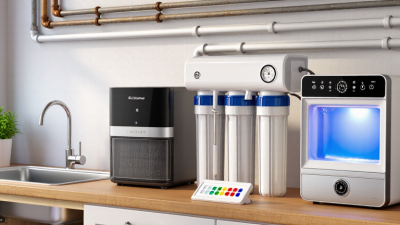
Selecting China’s leading water purification system manufacturers requires evidence, not polished brochures. The WHO/UNICEF Joint Monitoring Programme reported that 2.2 billion people lacked safely managed drinking water in 2022. That figure highlights why buyers should assess performance against their actual source water, not rely on general claims. Request independent test reports showing contaminant reduction, flow rate, recovery rate, and performance over time. Check whether tests match the proposed configuration and operating conditions. Small details matter.
Production capability deserves equal scrutiny. Review quality-control records, component traceability, factory testing, and procedures for handling defects. Ask how the supplier validates membrane life and replacement intervals under real operating conditions. Compare capacity claims with pilot data, especially when feedwater contains high turbidity or seasonal variation. The World Health Organization’s drinking-water guidance emphasizes managing health risks across the supply chain; equipment selection is only one part of reliable treatment. No scorecard is perfect. A site visit can reveal gaps that paperwork misses.
Tips: Send identical source-water data and output requirements to every candidate. Ask for a sample test report, maintenance schedule, and written warranty terms. Verify the report’s testing laboratory and date. Then compare total operating costs, including energy, consumables, and wastewater. Be cautious when a supplier promises a universal solution; treatment needs vary, and even a strong proposal deserves independent review.
Use this weighted framework to compare manufacturers of water purification systems. The weights are recommended evaluation priorities, not claims about any specific manufacturer. Request model-specific documentation and verify it with the relevant certification or regulatory body.
| No. | Selection Criterion | Suggested Weight | What to Evaluate | Evidence to Request or Verify |
|---|---|---|---|---|
| 1 | Product certifications and performance claims | 18% | Check whether claims match the intended treatment function and the exact product model. Relevant standards may include NSF/ANSI 42 for specified aesthetic effects, 53 for specified health effects, 58 for reverse-osmosis systems, 55 for UV systems, and 401 for specified emerging compounds. | Current certificates or listings showing the exact model, certified claims, applicable standard, and certification scope. Confirm the listing directly with the issuing organization. |
| 2 | Independent product testing | 16% | Assess whether test results support the stated contaminant-reduction, flow-rate, capacity, and operating-life claims under defined test conditions. | Complete reports from a competent independent laboratory, including the tested model, test method, influent conditions, results, and report date. Check that the tested configuration matches the offered product. |
| 3 | Manufacturing quality management | 14% | Review documented production controls, incoming-material inspection, process checks, final testing, traceability, and procedures for handling nonconforming products. ISO 9001 certification concerns a quality-management system; it does not by itself certify purifier performance. | Quality-system certificate and scope, audit details where available, inspection records, sample batch-traceability records, and written procedures for corrective actions. |
| 4 | Regulatory compliance in target markets | 12% | Confirm that the product and its wetted materials meet the requirements that apply in each destination market. For products within its scope, check applicable Chinese hygiene and drinking-water product approvals; do not assume every product category has the same requirements. | Applicable permits, declarations, and compliance records for the precise product and market. Verify validity, scope, model references, and any conditions with the relevant authority or certification body. |
| 5 | Product range and application fit | 10% | Evaluate whether available configurations suit the intended use, such as residential point-of-use treatment, whole-building treatment, commercial systems, or industrial applications. Compare pretreatment, membrane or media options, capacity, and operating limits. | Technical datasheets, process diagrams, rated operating conditions, installation requirements, and application references that match the intended water source and use case. |
| 6 | Engineering and customization capability | 8% | Assess the ability to adapt system layout, treatment stages, controls, connections, and documentation while maintaining clear design and change controls. | Engineering specifications, documented design-change procedures, prototype or pilot-test records where relevant, and written confirmation of the final system configuration. |
| 7 | After-sales support and spare parts | 8% | Compare technical support availability, installation guidance, warranty terms, troubleshooting resources, and access to replacement filters, membranes, lamps, and other service parts. | Written warranty policy, service contact details, parts list, replacement intervals, support response commitments, and clear procedures for warranty claims. |
| 8 | Production and delivery capability | 6% | Check whether stated output capacity, lead times, and order flexibility are realistic for the required product configuration and forecast demand. | Documented production capacity and lead-time assumptions, order planning process, sample packaging details, and shipment records or references appropriate to the proposed order. |
| 9 | Technical and commercial transparency | 5% | Look for consistent model numbers, clear specifications, complete bills of materials where appropriate, transparent exclusions, and claims that distinguish tested facts from estimates. | Current product manuals, drawings, quotations, component specifications, maintenance instructions, and a written list of included and optional items. |
| 10 | Environmental management and resource use | 3% | Consider documented environmental-management practices and product-level factors such as water recovery, reject-water handling, energy use, packaging, and replacement-part waste. ISO 14001 relates to an environmental-management system, not the environmental performance of every product. | Environmental-management certificate and scope where claimed, plus model-specific data on water use, energy use, consumables, and end-of-life or packaging information where available. |
| Total Suggested Weight | 100% | Use the same evidence standard and scoring method for every candidate to support a fair comparison. | ||
Suggested scoring: Rate each criterion from 0 to 5: 0 = no adequate evidence; 1 = very weak; 2 = below requirements; 3 = meets requirements; 4 = exceeds requirements; 5 = independently verified and substantially exceeds requirements. Calculate each weighted result as (rating ÷ 5) × criterion weight. A high total score should not override a failure to meet mandatory regulatory or safety requirements.
China’s water purification sector spans household, commercial, and industrial equipment. The WHO/UNICEF Joint Monitoring Programme reported that 2.2 billion people lacked safely managed drinking water in 2022. That figure underscores the need for dependable treatment, though it does not predict demand for any single product.
The ten manufacturer profiles can be distinguished by their engineering focus: household reverse-osmosis units; ultrafiltration systems; countertop purifiers; whole-house filtration; commercial dispensers; industrial reverse-osmosis plants; membrane components; ultraviolet and ozone treatment; stainless-steel treatment skids; and contract design and assembly. Each serves different operating conditions. A household unit may prioritize compact cartridges, while an industrial plant needs stable output and accessible maintenance. Some manufacturers combine these capabilities; others specialize narrowly. Specs matter.
A useful comparison checks rated flow, tested contaminant reduction, replacement intervals, and service access. Ask how performance was verified, and under what feed-water conditions. A laboratory result can look reassuring. Real water varies. Factory scale alone is weak evidence of quality; inspect documentation, production controls, and after-sales support. Even then, a brochure rarely tells the whole story. WHO/UNICEF JMP, Progress on Household Drinking Water, Sanitation and Hygiene 2000–2022, 2023.
Comparing China’s leading water-purification manufacturers means checking evidence, not just factory size. The WHO/UNICEF Joint Monitoring Programme’s 2023 report counted 2.2 billion people without safely managed drinking water in 2022. That need spans household filters, commercial dispensers, and industrial treatment systems.
Product ranges can look similar on paper. Look closer at the treatment train: reverse osmosis targets dissolved substances, while ultrafiltration mainly removes particles and microbes. Ultraviolet treatment disinfects water but does not remove dissolved salts. Details matter. Ask for flow rates, recovery rates, membrane life, and maintenance intervals under stated feed-water conditions. A lab result may not predict performance at a remote site; that distinction is easy to overlook.
Certifications also need precise comparison. NSF/ANSI 42, 53, and 58 address different filtration claims, so verify the exact model and listed contaminant reduction. ISO 9001 indicates a quality-management system; it is not proof that a purifier achieves a particular treatment result. Request test reports, certificate scope, and production quality records. One limitation remains: published specifications rarely show long-term performance in local water conditions.
Choosing a water purification manufacturer starts with your feed water, not a product catalog. Request a recent analysis covering turbidity, hardness, total dissolved solids, and relevant contaminants. Then match those results to the required output, daily flow, and operating hours. A hotel kitchen, a factory boiler room, and a rural clinic need different treatment trains. Ask for a process diagram showing pretreatment, core filtration, disinfection, and reject-water handling. Specifics matter.
The WHO/UNICEF Joint Monitoring Programme’s 2023 report estimates that 2.2 billion people lacked safely managed drinking water in 2022. That scale makes dependable treatment essential, but a large capacity figure alone proves little. Ask manufacturers for test conditions behind performance claims, expected consumable life, spare-parts lead times, and commissioning support. Request references for applications with similar source water and operating conditions. Check how the supplier responds when inlet quality changes seasonally. A neat brochure is not evidence. Neither is the lowest quotation. I would also ask for a clear maintenance schedule and written acceptance criteria. Some specifications look convincing until the first filter change; that deserves closer scrutiny.