Why Use a Water Softener System for Well Water?
For households using private wells, a water softener system for well water can address a daily, visible problem: mineral-heavy water. Hardness commonly comes from dissolved calcium and magnesium. The U.S. Geological Survey classifies water above 180 milligrams per liter as “very hard,” a level often associated with scale buildup. That scale may appear inside pipes, water heaters, showerheads, and glassware.
The issue is widespread. The Centers for Disease Control and Prevention reports that about 15% of Americans rely on private wells. Unlike public systems, private wells usually receive no routine regulatory monitoring. Testing matters. A softener cannot remove bacteria, arsenic, nitrates, or every unwanted chemical. That limitation is easy to overlook.
Dr. Joseph Cotruvo, a recognized drinking-water scientist, has stated, “Hardness is not generally a health concern.” His point deserves careful attention. Softening is mainly a performance and maintenance decision, not a universal safety cure. The World Health Organization also reports no health-based guideline value for water hardness. However, reducing hardness can help protect a water heater, reduce soap waste, and prevent rough white deposits on fixtures.
A practical evaluation begins with laboratory testing. Check hardness, iron, manganese, pH, sulfur, and bacterial indicators. Then size the system for household demand and regeneration frequency. Very hard well water may need additional treatment. Salt discharge also deserves review, especially in areas with wastewater restrictions. The choice is useful, but not automatic. A well deserves diagnosis before equipment.
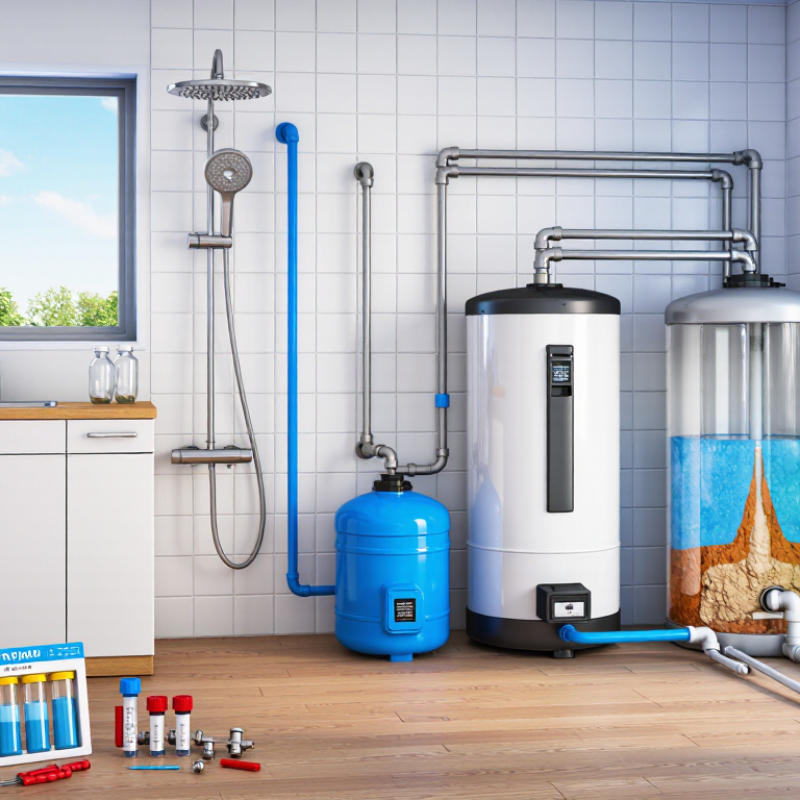
Test Well Water for Hardness, Iron, Manganese, pH, and Bacteria
Well water can look clear while carrying hardness, iron, manganese, or bacteria. These minerals may leave white scale on faucets and stiffen freshly washed towels. Iron can create orange stains, while manganese may produce dark marks and a metallic taste. A simple test helps.
Test hardness with a reliable home kit or an accredited laboratory. Laboratory testing is more dependable when results seem unusual. Ask for iron, manganese, pH, and bacteria testing as well. pH matters because acidic water can corrode plumbing and release metals. Bacteria testing can reveal contamination that sight and smell cannot detect. Keep a clean sample container and follow collection instructions carefully. Small handling mistakes can affect results.
A water softener mainly reduces hardness minerals, such as calcium and magnesium. It can protect water heaters, showerheads, and laundry from scale. However, it should not be treated as a complete well-water solution. It does not reliably remove bacteria, and it may not correct low pH or every form of iron and manganese. One common mistake is installing a softener before testing. That choice may reduce scale but leave staining or microbial concerns unresolved. Recheck the water after treatment, especially when taste, odor, or color changes. Needs can shift after flooding, plumbing repairs, or changes in the well.
Classify Hardness Using USGS Bands: Over 180 mg/L as CaCO₃ Is Very Hard
Why Use a Water Softener System for Well Water?
Well water often carries dissolved calcium and magnesium through limestone, chalk, or gypsum. The U.S. Geological Survey classifies hardness above 180 mg/L as calcium carbonate as very hard. At that level, white scale can collect inside a kettle, water heater, showerhead, and faucet aerator. The USGS also lists 121–180 mg/L as hard water, making the 180 mg/L threshold especially useful for household testing.
Hardness does not usually indicate unsafe water. It can still create maintenance problems. The Water Quality Association reports that ion-exchange softeners reduce calcium and magnesium by exchanging them with sodium or potassium ions. This process can protect plumbing and improve soap performance. Results depend on correct sizing. A small unit may regenerate too often, while an oversized unit wastes salt and water.
Test the untreated well water before choosing equipment. A certified laboratory should measure hardness, iron, manganese, pH, and total dissolved solids. Iron can stain fixtures and may interfere with softener resin. I have seen homeowners blame hardness for every plumbing issue. That assumption is imperfect. Sediment, acidic water, or an aging pressure tank may also contribute. Keep the laboratory report, then compare the measured value with the USGS bands before setting treatment capacity.
Reduce Scale From Hard Water Above 120 mg/L as CaCO₃
Why Use a Water Softener System for Well Water?
Well water above 120 mg/L as CaCO₃ is considered hard and can create visible scale. White deposits may collect around faucets, showerheads, and water heaters. Inside pipes, scale can narrow water passages and reduce heating efficiency. A properly sized water softener uses ion exchange to replace calcium and magnesium with sodium or potassium. This process reduces scale formation throughout the plumbing system. It does not remove bacteria, nitrate, or other well-water contaminants. A laboratory water test remains important.
Tips: Test hardness before choosing a system. Check iron and manganese levels too. They may affect softener performance. Measure daily water use, not only household size. Install a sediment filter when the well carries sand. Keep records of salt use and regeneration settings.
Hardness above 120 mg/L deserves practical attention, but treatment should match the actual water chemistry. A professional water specialist can calculate the required capacity and recommend a suitable regeneration schedule. Excessive settings waste water and salt. That detail is easy to overlook. Homes with sodium-sensitive residents may need a separate drinking-water treatment option. Also, softened water should not automatically feed every outdoor tap. Garden soil and plants may respond poorly to added sodium. Test the treated water after installation, because settings sometimes need adjustment during the first few weeks.
Select an NSF/ANSI 44–Certified Softener by Capacity and Flow Rate
Private wells serve about 15% of the U.S. population, according to the U.S. Geological Survey. Unlike treated municipal water, well water can carry hardness minerals, iron, and manganese into the home. A properly selected softener can reduce hardness before it leaves white scale on faucets or stiffens freshly washed towels.
Look for the NSF/ANSI 44 certification. This standard evaluates residential cation-exchange softeners for capacity, pressure loss, structural integrity, and material safety. Capacity is commonly listed in grains of hardness removed. A water professional should test hardness, iron, manganese, and pH before sizing the unit. One overlooked iron result can distort the calculation.
Flow rate matters just as much. The system must supply several fixtures at once without excessive pressure loss. The U.S. Environmental Protection Agency’s WaterSense program identifies 2.0 gallons per minute as the maximum flow for certified showerheads. A shower, washing machine, and toilet may still create a higher household peak. Measure the home’s actual peak demand when possible.
For example, four residents with hard well water may need more capacity than a small unit suggests. Regeneration frequency also affects salt and water use. Manufacturers often publish optimistic laboratory figures. Real homes are messier. Compare certified capacity, usable capacity, and rated service flow, not just the largest number on the label. EPA private-well guidance also recommends regular testing, because source conditions can change after flooding, drought, or nearby construction.
Why Use a Water Softener System for Well Water? — Select an NSF/ANSI 44–Certified Softener by Capacity and Flow Rate
| Typical Softener Size |
Nominal Capacity
(grains) |
Typical Rated Service Flow
(gpm) |
Approximate Usable Capacity
at Efficient Salt Setting |
Suitable Household Profile |
Typical Well-Water Application |
| Compact |
24,000 |
6–8 |
Approximately 16,000–20,000 grains |
1–2 residents; light water use |
Low hardness and limited simultaneous demand |
| Small |
32,000 |
7–9 |
Approximately 22,000–27,000 grains |
2–3 residents |
Moderately hard water with one major fixture operating |
| Medium |
48,000 |
9–11 |
Approximately 32,000–40,000 grains |
3–4 residents; average household demand |
Common choice for moderate-to-high hardness |
| Large |
64,000 |
10–13 |
Approximately 43,000–53,000 grains |
4–6 residents; several fixtures in use |
High hardness, high water use, or larger homes |
| Extra Large |
80,000 |
12–15 |
Approximately 54,000–66,000 grains |
6–8 residents or high peak demand |
Very hard well water and multiple bathrooms |
| High-Capacity |
96,000 |
14–18 |
Approximately 65,000–80,000 grains |
Large households or unusually high demand |
High hardness combined with high daily consumption |
How to size a softener for well water
Estimate daily softening demand as:
hardness (mg/L as CaCO3) × daily water use (gallons) × 0.00293 = grains per day.
Add a reserve of approximately 15–25% and select a unit whose rated service flow meets the household’s peak flow without excessive pressure loss.
| Well-Water Factor |
Why It Matters |
Recommended Check |
| Hardness |
Determines the number of grains the resin must remove between regenerations. |
Use a laboratory water test or a properly conducted hardness test. |
| Iron and manganese |
Can consume softening capacity, stain fixtures, and foul resin when present at elevated levels. |
Test separately; use pretreatment when concentrations exceed the softener’s specifications. |
| Peak flow rate |
An undersized valve or resin bed may reduce pressure when several fixtures operate simultaneously. |
Compare the unit’s certified service-flow rating with the home’s estimated peak demand. |
| NSF/ANSI 44 certification |
Indicates that a residential cation-exchange water softener has been evaluated against applicable performance and material requirements. |
Verify the specific model’s certification and published capacity, flow, and salt-efficiency data. |
| Well-pump capacity |
The softener cannot deliver more sustained flow than the well and pump system can provide. |
Check pump recovery rate, pressure-tank settings, and available flow before selecting a high-flow unit. |
Notes: Capacity and flow figures are typical planning ranges for residential ion-exchange softeners, not guaranteed values for every model. Actual performance depends on resin volume, salt dosage, water chemistry, temperature, pressure, valve settings, and the manufacturer’s certified test data. One grain per gallon (gpg) equals approximately 17.1 mg/L as calcium carbonate.