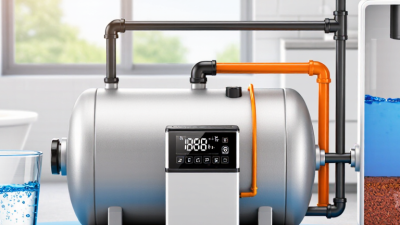
China Best Hard Water Solutions for Global Buyers? This question deserves more than a supplier list. Hard water leaves white scale on kettles, shower glass, boilers, and factory pipes. It can also increase detergent use and shorten equipment life. For global buyers, the right solution depends on water hardness, flow rate, budget, and local regulations.
Practical sourcing should begin with a laboratory water test. Check calcium, magnesium, iron, pH, total dissolved solids, and microbial risks. A household may need a compact ion-exchange softener. A hotel could require higher flow capacity and automatic regeneration. Food plants may prefer pretreatment combined with reverse osmosis. Each system has different maintenance needs.
Details matter.
Reliable Chinese manufacturers can offer softeners, filtration units, RO equipment, dosing systems, and customized control cabinets. Buyers should examine test reports, material specifications, installation drawings, warranty terms, and replacement-part availability. Certification claims also need verification for the destination market. A logo on a brochure is not enough.
Factory audits can reveal useful evidence. Look for pressure testing, resin loading records, membrane performance data, and clear quality-control procedures. Communication quality matters too. Unclear manuals may create expensive installation problems.
No single product fits every country. Water chemistry changes by region. Shipping, after-sales support, and installer skills can affect the final result. Some low-cost systems appear attractive but may use undersized tanks or weak valves. That risk is easy to overlook.
This guide examines practical hard water solutions from China, while recognizing one limitation: supplier information can change quickly. Careful testing and independent verification remain essential for responsible purchasing.
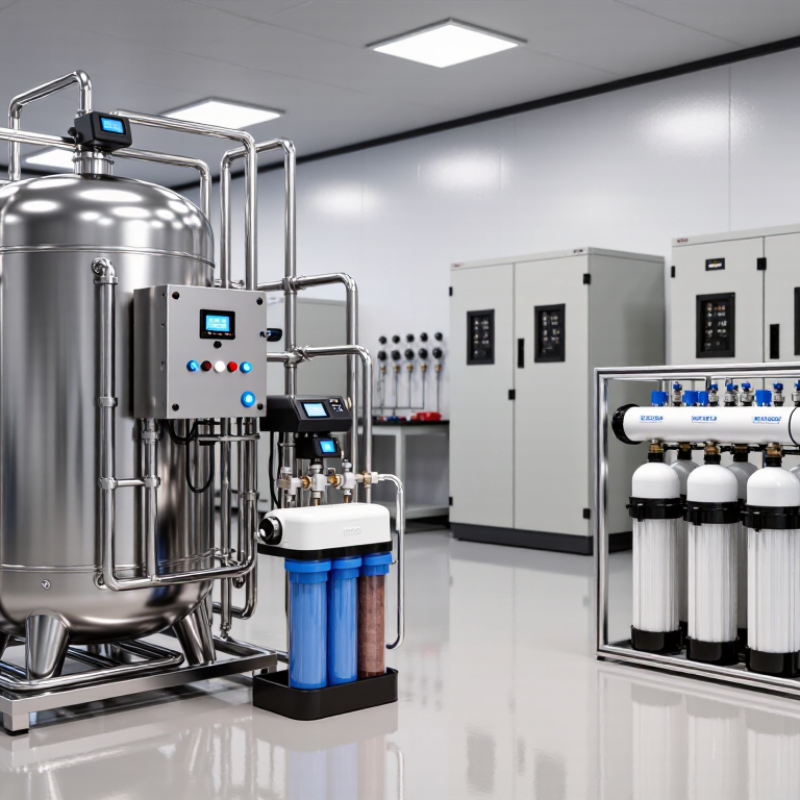
Hard water contains high levels of dissolved calcium and magnesium. These minerals are usually harmless for drinking, but they can create costly operational problems. When heated, hard water forms scale inside boilers, water heaters, pipes, and washing equipment. A thin white layer may reduce heat transfer and increase energy use. Soap can also produce less foam, leaving dull marks on glass, tiles, and laundry.
For global buyers, hardness is not a fixed problem. Mineral levels can change between cities, wells, and seasonal water sources. A supplier should not recommend treatment by location alone. Buyers need a recent laboratory report, including total hardness, iron, pH, and water flow. In practical inspections, scale around faucets is a useful warning sign, but it is not a complete diagnosis. A report alone is not enough. Usage matters too.
Tips: Test the incoming water before choosing equipment. Match capacity with daily flow and peak demand. Ask about regeneration, wastewater, replacement parts, and maintenance skills. Keep a simple hardness log after installation. Small oversights happen, especially when specifications are translated across markets. Clear data sheets and local service training can prevent expensive misunderstandings.
China Best Hard Water Solutions for Global Buyers?
Hard water carries dissolved calcium and magnesium through household pipes. In homes, these minerals leave white scale on taps, shower glass, and heating elements. Soap lathers poorly, while laundry can feel stiff after washing. During site inspections, a thin crust around a kettle often reveals a wider plumbing problem. The damage is gradual.
In restaurants, laundries, and hotels, scale raises cleaning time and water-heating costs. A blocked spray nozzle can disrupt a busy kitchen within one working day. Industrial boilers, cooling towers, and membrane systems face greater risks. Scale reduces heat transfer, increases pressure loss, and may shorten equipment life. However, hardness is not the only concern. Silica, iron, suspended solids, and changing water temperature also affect treatment performance.
Global buyers should request a recent laboratory water analysis before selecting equipment from China. The report should include hardness, pH, conductivity, alkalinity, iron, and seasonal variation. A practical solution may combine pretreatment, softening, filtration, or controlled dosing. Engineers should match flow rate, peak demand, regeneration water, and local installation conditions. Ask for test records and maintenance instructions. Some projects fail because buyers focus on purchase price alone. That mistake is easy to repeat. Performance depends on correct sizing, trained operators, spare parts, and regular testing. For export projects, clear documentation and recognized safety requirements matter as much as treatment capacity.
Practical comparison of water hardness levels, operational impacts, and solution selection criteria
| Water Hardness / Application | Typical Hardness Level | Common Effects | Recommended Treatment | Important Selection Factors for Global Buyers |
|---|---|---|---|---|
| Soft water | 0–60 mg/L as CaCO3 | Limited scale formation; generally low impact on plumbing and heating equipment. | Usually no hardness removal is required. Use sediment or activated-carbon filtration when specific contaminants are present. | Confirm the actual laboratory test results before installing a softener; unnecessary softening increases operating cost and salt use. |
| Moderately hard water | 61–120 mg/L as CaCO3 | More soap consumption, visible spots on fixtures, and gradual scale in water heaters and appliances. | Point-of-use treatment or a correctly sized ion-exchange softener for applications sensitive to scale. | Consider household size, peak flow, regeneration frequency, salt storage, drain requirements, and local water pressure. |
| Hard water | 121–180 mg/L as CaCO3 | Frequent limescale, reduced heat-transfer efficiency, clogged aerators, dry-feeling skin, and increased cleaning requirements. | Central ion-exchange softening; add sediment filtration when incoming water contains suspended particles. | Verify resin capacity, service flow rate, pressure drop, regeneration method, control-valve settings, and spare-parts availability. |
| Very hard water | More than 180 mg/L as CaCO3 | Rapid scale buildup, higher maintenance frequency, shortened heater life, and potential reduction in pipe and equipment performance. | High-capacity softening, often combined with prefiltration and, where required, reverse osmosis for low-mineral water. | Use a complete water analysis, calculate daily hardness load, and evaluate wastewater, salt consumption, electricity, and operator requirements. |
| Residential homes | Treatment need depends on hardness, household demand, and plumbing sensitivity. | Scale on faucets and showerheads, poor soap lather, laundry residue, and reduced water-heater efficiency. | Whole-house softener for scale control; drinking-water filtration or RO can be installed separately when needed. | Check installation space, bypass operation, automatic regeneration, noise, water consumption, and after-sales support. |
| Hotels, restaurants, and laundries | Demand is driven by high daily flow and equipment-specific hardness limits. | Scale in dishwashers, boilers, laundry equipment, coffee systems, hot-water loops, and steam generators. | Commercial softener with flow-based control; use dedicated RO or specialty filtration for beverage and food-service equipment. | Prioritize peak-flow capacity, continuous operation, hygienic materials, cleaning protocols, service access, and total cost of ownership. |
| Boilers and industrial systems | Even low hardness can be significant because heating concentrates dissolved minerals. | Heat-transfer loss, tube overheating, higher blowdown, corrosion risk, and unplanned shutdowns if water chemistry is poorly controlled. | Softening plus application-specific treatment such as RO, dealkalization, deaeration, chemical dosing, and condensate management. | Follow boiler-manufacturer and local regulatory requirements; size the system using feedwater quality, steam load, cycles of concentration, and operating pressure. |
| Membrane and process-water systems | Hardness must be assessed together with alkalinity, silica, iron, manganese, turbidity, and total dissolved solids. | Membrane scaling, higher cleaning frequency, reduced permeate flow, and shorter membrane service life. | Pretreatment softener, antiscalant, cartridge filtration, or pH adjustment selected according to the membrane design and feedwater analysis. | Request pilot testing or a verified design calculation; do not select equipment from hardness alone. |
China offers several hard water treatment technologies for global buyers, each suited to different water chemistry and operating budgets. China’s GB 5749-2022 drinking water standard sets total hardness at 450 mg/L as calcium carbonate. The World Health Organization reports no health-based guideline value for hardness, but high levels can cause scale, poor taste, and reduced heating efficiency. Testing matters.
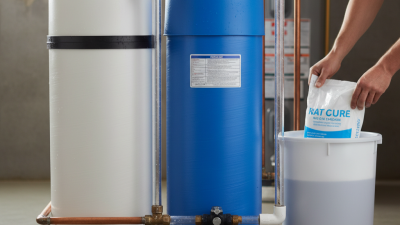
Ion exchange softeners remain common in homes, hotels, and factories. They replace calcium and magnesium with sodium ions, producing consistently soft water. Regeneration requires salt, wastewater, and careful discharge control. Reverse osmosis removes dissolved minerals more broadly and can lower hardness to very low levels. However, it produces concentrate and needs pretreatment against fouling. Nanofiltration uses lower pressure and may retain useful minerals, but performance changes with feed-water composition.
For larger facilities, lime softening can treat high flow rates and reduce alkalinity. It needs chemical dosing, sludge handling, and skilled operation. Electromagnetic and template-assisted crystallization systems are also available, mainly for scale control rather than true hardness removal. Evidence is mixed, so buyers should request independent test data. A 2023 International Desalination Association report highlights energy, recovery rate, and concentrate management as key desalination concerns. These indicators also matter for hard water projects. A practical trial should measure hardness before and after treatment, water recovery, salt use, pressure loss, and maintenance frequency. One weakness remains: supplier claims are not always comparable. Local laboratory verification is essential.
Which hard water treatment technologies are available in China?
The chart shows representative midpoint values from typical engineering ranges for hardness reduction. Ion exchange and reverse osmosis generally provide the highest hardness removal, while nanofiltration offers selective removal with lower energy demand. Actual performance depends on feed-water chemistry, operating conditions, pretreatment, recovery rate, and system design.
When evaluating Chinese hard water solution suppliers, begin with the water, not the equipment. Ask for a recent laboratory report showing calcium, magnesium, iron, TDS, pH, and seasonal variation. A supplier should explain whether softening, filtration, or reverse osmosis fits the actual problem. Vague promises are warning signs. Request process diagrams, flow rates, pressure ranges, power needs, and expected salt or membrane consumption.
Check technical competence through verifiable evidence. Review factory records, quality-control procedures, material specifications, and production photographs with dates. Ask for batch testing and an independent performance test using water similar to yours. Certificates matter, but their scope and validity matter more. Confirm the issuing body, product model, test standard, and expiration date. Do not accept a certificate covering a different configuration. Samples should run under documented conditions.
Commercial reliability needs equal attention. Compare warranty terms, spare-parts availability, remote support, installation guidance, and response times. Clarify who handles commissioning when the shipment arrives at your facility. The contract should define hardness targets, capacity, regeneration settings, packaging, inspection, and remedies for failed tests. A cheap unit can become expensive after six months. I would also inspect a supplier through a video call or an independent audit. Some details may still be missed. Staged orders and written acceptance criteria are safer than trusting polished sales language.
China Best Hard Water Solutions for Global Buyers?
Match the system to real operating conditions. A household of four may need different capacity than a small hotel. Check resin volume, regeneration frequency, inlet pressure, power requirements, drain access, and local voltage. Ask for drawings, material specifications, test reports, and a clear warranty. Confirm packaging dimensions and spare-part availability before payment. Remote coastal projects may need corrosion-resistant components and stronger export packaging.
Purchase documents should state performance targets, inspection procedures, delivery terms, and installation responsibilities. An independent pre-shipment inspection can reveal loose fittings or incorrect control settings. Small details matter. After installation, flush the system and test treated water again. Maintain salt or media levels, clean the brine tank, inspect valves, and log hardness readings monthly. Replace exhausted media according to test results, not a fixed calendar.
I have seen buyers choose oversized units because larger sounded safer. It increased waste and operating costs. That choice deserves review. Another common mistake is ignoring local technicians. A technically excellent system can fail when nobody understands its controls. Select suppliers who provide training, readable manuals, remote support, and documented maintenance procedures. Water chemistry changes, and the original design may need adjustment.