Choosing a water filtration system can feel simple until the options pile up: carbon pitchers, under-sink units, reverse osmosis, and whole-house filters. Clear water is not proof of clean water. Some contaminants have no obvious taste or smell, so a system should match tested water conditions—not a glossy label or a neighbor’s recommendation. Water-quality expert Dr. Joseph Cotruvo’s guidance can be distilled into one practical line: “Choose treatment based on the contaminants measured in your water.” This is a paraphrase, not a verbatim quotation.
Start with a local water-quality report or a properly selected test, then identify the concern you want to address. Check whether the product is certified for that specific contaminant, and review its flow rate, filter capacity, replacement cost, and maintenance needs. A filter left unchanged can become an overlooked weak point. Small details matter: the space beneath your sink, the taste of the tap water, and whether replacement cartridges are easy to find.
There is no universal best option. A carbon filter may improve taste and reduce certain substances, while other needs call for different technologies. Read the certification details carefully. Marketing terms can sound reassuring, but they do not replace performance data. Even careful buyers can focus too much on the machine and too little on upkeep. That is worth reconsidering. This guide explains how to compare system types, verify claims, and choose a water filtration system that fits your water, household, and budget.
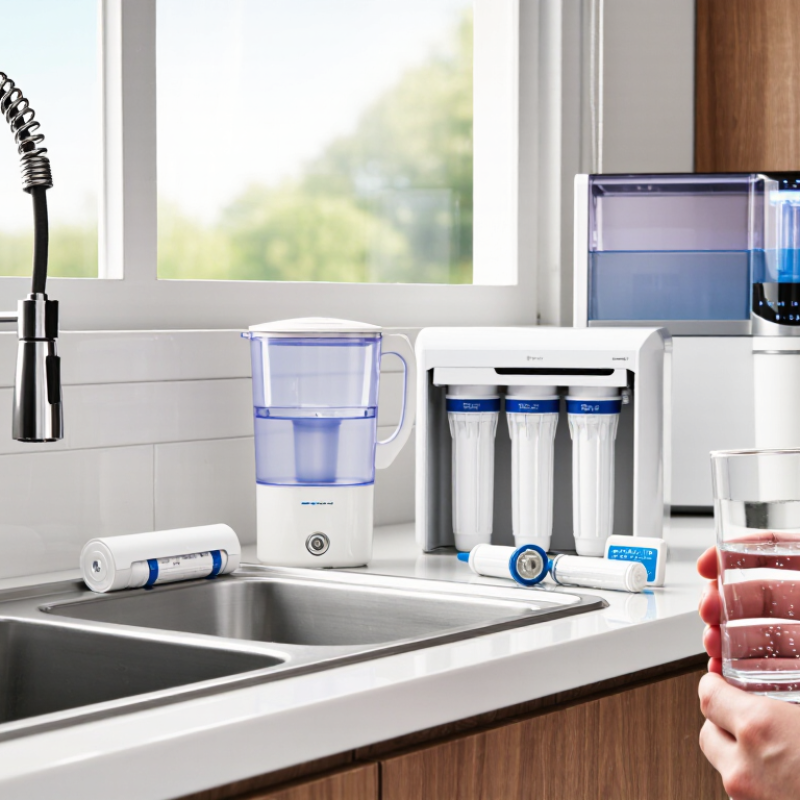
Start with evidence, not a filter catalog. If you use municipal water, read your utility’s latest Consumer Confidence Report and note the contaminants detected, their levels, and any health-based limits. For a private well, arrange laboratory testing; the CDC recommends testing at least yearly for germs, nitrates, and locally relevant contaminants. Clear water can still contain substances you cannot see or taste. That part is easy to overlook.
Match the test results to a specific treatment claim. A sediment filter may reduce visible grit, but it will not necessarily address dissolved chemicals or microbes. Check the product’s independent certification and the exact contaminants it covers, rather than relying on broad phrases such as “improves water quality.” The USGS estimated that at least one PFAS may be present in about 45% of U.S. tap-water samples; this is a national estimate, not a finding about every household. Your local results matter more.
Think about the water you actually use: a kettle with chalky scale points to hardness, while a private well near farming may warrant nitrate testing. Taste can guide questions, not prove safety. I might be tempted to buy a single system for every concern, but that is not always sensible. Test first, then compare filtration needs, maintenance, and replacement schedules.
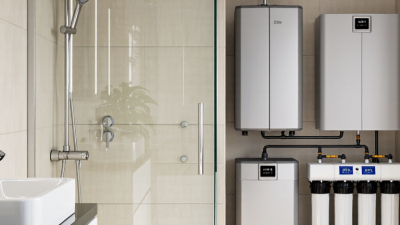
A water filter should match the contaminants in your water, not just promise “cleaner” taste.
Activated carbon can reduce chlorine taste and odor, and some certified models reduce specific chemicals. Its performance depends on the filter design and the contaminants tested. Check the certification details, not just the label.
Reverse osmosis can reduce many dissolved substances, including certain metals and salts, but it also uses water and may remove beneficial minerals. Not every system does.
Sediment filters catch particles such as rust or sand, yet they cannot remove dissolved contaminants.
UV treatment can inactivate many microbes, but it does not remove chemicals or particles, and it works best with clear water.
Start with your water utility’s report or a suitable lab test. A cloudy glass may point to particles, but it cannot reveal lead, nitrate, or microbes. Details matter.
Compare the test results with a filter’s independently verified contaminant claims, then consider flow rate and replacement schedules. A small under-sink unit may suit one tap, while a whole-home system treats more water but needs more space and maintenance. Filter changes are easy to postpone, which weakens real-world performance. That part deserves honest thought: the most advanced technology is not useful if replacement cartridges are hard to find or afford.
A water filtration system should be judged by what it is certified to do, not by a broad claim on its carton. Look for a recognized independent certification and check the exact standard and model in the certifier’s directory. Different standards cover different concerns, such as material safety or reduction of specific contaminants. A certification does not mean the system removes everything. Read the performance data carefully.
Capacity tells you how much water a cartridge can treat before replacement, often listed in gallons or liters. Compare that figure with your household’s daily use and the contaminants in your water. A small under-sink unit may suit one drinking-water tap, but a busy family may replace cartridges sooner than expected. Check whether the stated capacity assumes particular water conditions. It often does.
Flow rate affects how quickly filtered water reaches the faucet. A low rate can feel frustrating when filling a cooking pot, even if the system’s filtration performance is strong. Compare the rated rate with your needs, and note the pressure and test conditions behind the figure. They matter. Peak flow may not reflect everyday use. It is tempting to choose the highest number, but a faster rate alone does not prove better filtration. Capacity, certified performance, and steady flow need to fit your home together.
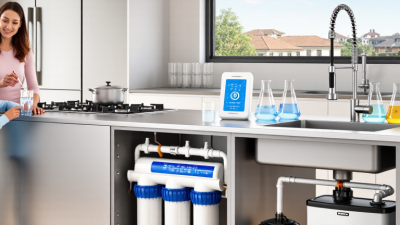
Before choosing a filtration system, check where it will sit and how it connects. Measure the cabinet, including the space needed to remove cartridges without twisting pipes. Under-sink units may need a drain connection and a separate faucet. Whole-house systems need access to the main water line and enough room for servicing. A tight fit can become a daily frustration.
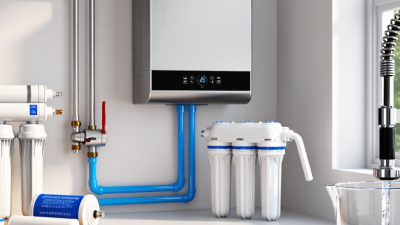
Ask a qualified installer to inspect shutoff valves, water pressure, and nearby electrical outlets if the system requires power. Confirm which contaminants the unit is designed to reduce, and compare that information with a recent water test. “Fits under the sink” is not the same as “fits your plumbing.” That matters.
Ongoing maintenance deserves equal attention. Replacement intervals vary with water quality and household use, so follow the system’s instructions rather than relying on a generic schedule. Set a calendar reminder and keep the correct cartridge details somewhere easy to find. Some units also need periodic flushing or sanitizing. A cramped cabinet can make this awkward. It is easy to underestimate.
Include replacement parts, service visits, and water use in your budget. Check for leaks after installation and after each filter change. A change in flow can signal a clogged cartridge, but clear taste and appearance do not prove water is safe. If performance seems unusual, test the water or consult a qualified water-treatment professional.
| System Type | Installation Requirements | Space and Plumbing Needs | Typical Maintenance | Key Checks Before Choosing | Often Suited To |
|---|---|---|---|---|---|
| Water-filter pitcher | No plumbing or tools are usually needed; fill the reservoir and refrigerate if desired. | Requires refrigerator or counter space and regular refilling. | Replace the cartridge at the interval stated for the specific model; many are designed for roughly 2–6 months, depending on use and water quality. Wash the pitcher as directed. | Check the cartridge’s documented reduction claims, capacity, and whether it is suitable for your water source. | Renters, small households, and people who want a low-commitment option. |
| Faucet-mounted filter | Attaches to a compatible faucet; installation is often tool-free, but faucet shape and aerator design can affect fit. | Needs an accessible faucet and clearance around the sink. Some models do not fit pull-out or spray-style faucets. | Replace the cartridge according to the rated capacity or schedule; some models are designed for about 3–6 months. Clean the unit as instructed. | Confirm faucet compatibility, available filtered-water flow, and the filter’s specific contaminant-reduction claims. | Renters or households wanting filtered water at one sink without under-counter work. |
| Under-sink carbon filter | Typically connects to the cold-water line and may use a dedicated faucet. Installation can require plumbing work and drilling a faucet hole if one is not available. | Requires cabinet space, a compatible shutoff valve, and access for cartridge changes. | Cartridges commonly need replacement every 6–12 months, but actual timing depends on the model, water quality, and volume used. Follow the manufacturer’s instructions. | Measure cabinet space; check connection type, faucet requirements, flow rate, and certified reduction claims. | Households seeking filtered drinking and cooking water while keeping the main faucet available. |
| Under-sink reverse osmosis (RO) | Usually connects to a cold-water line, a dedicated faucet, and a drain line. Many systems include a storage tank; installation may require plumbing changes. | Needs cabinet room for the unit and often a tank, plus access to a suitable drain connection. | Pre-filters and post-filters are commonly changed about every 6–12 months; the membrane may last roughly 2–5 years. These ranges vary by system, water quality, and use. Sanitize the system when specified. | Check available space, drain and faucet requirements, water pressure needs, wastewater handling, and the exact substances the system is certified to reduce. | People seeking broad reduction of dissolved substances, provided the chosen system is appropriate for their water and needs. |
| Whole-house point-of-entry filter | Installed on the main water line where it enters the home; a plumber is often advisable, especially if pipe cutting or a bypass loop is required. | Needs space near the water entry point, room to service the housing, and a setup compatible with household flow and pipe size. | Replace or service cartridges, media, or sediment filters on the schedule for the specific system. Frequency can vary considerably with water quality and household use; inspect for pressure changes or leaks. | Test the incoming water first; check rated flow, pressure drop, treatment purpose, maintenance access, and whether drinking-water treatment is still needed at the kitchen tap. | Households addressing a defined issue across multiple fixtures, such as sediment or a documented whole-home treatment need. |
Selection note: Choose a system based on a water test and the specific substances you want to reduce. Check certification listings and claims for the exact model and contaminant; standards such as NSF/ANSI 42, 53, 58, and 401 cover different types of treatment claims and do not mean every system reduces every contaminant. Always follow the system’s installation and maintenance instructions.
Choosing a water filtration system starts with a realistic budget, not the longest list of features. Include the purchase price, replacement cartridges, and any installation costs. A low-cost unit can become expensive if its filters need frequent replacement. Check the stated filter life and compare it with your household’s water use. Keep some room in the budget for maintenance.
Household size matters, too. One person who mainly wants better-tasting drinking water may need less capacity than a family that cooks and fills bottles all day. A small countertop filter can suit limited space and occasional use. Larger households may prefer a system with enough flow to avoid waiting at the kitchen sink. Think about where you use water, not just how many people live at home.
Match the filter to a known concern, such as sediment, chlorine taste, or a contaminant identified in a local water report. Different technologies address different issues, so avoid paying for features you may not need. Check independent test information and follow the replacement schedule. Filters are not “install and forget.” That part is easy to underestimate. I’d also leave time to compare cartridge availability; it can be awkward to discover later that routine upkeep costs more than expected.
Match the system to your budget and household use
Pitchers and faucet-mounted filters are generally lower-cost choices for drinking water at a few taps. Under-sink carbon and reverse-osmosis systems can suit households seeking dedicated kitchen filtration, while whole-house systems treat water at multiple taps and typically require a larger budget. Prices are approximate U.S. equipment-only retail ranges; installation and replacement filters are not included.