7 Tips for Choosing a Soft Water System for Home
Choosing a soft water system for home starts with a simple question: how hard is your water? The U.S. Geological Survey’s Water Science School classifies water above 180 milligrams per liter as calcium carbonate as very hard. That number matters at the tap, but also in the white scale on a kettle, stiff towels, and spots on shower glass. A water test gives you a better starting point than a sales pitch or a neighbor’s recommendation.
Water-treatment expert Dr. Joseph Cotruvo has written about matching treatment choices to measured water quality; put plainly, test before you treat. This is a paraphrase, not a direct quotation. A softener can reduce calcium and magnesium, but it is not a cure-all for every water concern. The right choice depends on your test results, household size, plumbing, maintenance habits, and whether salt-based treatment suits your home. Small details count. So does the budget after installation.
These seven tips will help you compare system type, capacity, certification, installation, operating costs, and upkeep. Some details are easy to overlook, especially regeneration and salt use. A cheaper system may cost more over time. Check the evidence, ask clear questions, and leave room to reconsider.
Assess Your Home’s Water Hardness and Daily Usage
Before choosing a soft water system, measure hardness at the tap or check your utility’s water quality report. The USGS classifies water at 121–180 mg/L as calcium carbonate as hard. Above 180 mg/L is very hard. A test kit gives a useful starting point, but well water can vary seasonally. Retest if the water’s taste or scale buildup changes.
Daily use matters just as much. The USGS’s 2015 water-use report estimated domestic use at about 82 gallons per person per day. For three people, that suggests roughly 246 gallons daily, though actual use depends on habits and outdoor watering. At 150 mg/L hardness, that household would face about 2,160 grains of hardness each day. It is an estimate, not a perfect sizing rule.
Count the people who shower and wash clothes at home. Notice scale on faucets, cloudy glasses, and stiff towels. These clues help, but they cannot replace a water test. Iron may also affect treatment needs, so check for it in well water. I would not size a system from household headcount alone; usage can swing on laundry day. Compare the test results and your real water use with a qualified water-treatment professional before selecting capacity or regeneration settings.
Check Water Efficiency, Salt Use, and Operating Costs
A soft water system can look efficient on paper and still use more water than expected.
Check how much water it needs for regeneration, the cleaning cycle that flushes mineral buildup.
Demand-initiated models regenerate when needed
, rather than on a fixed schedule. Compare efficiency figures at similar household sizes and water hardness levels. Otherwise, the numbers can mislead.
Salt use varies with water hardness, household demand, and system settings.
Ask for an estimate based on a recent water test, not a generic example.
Small details matter.
A family that showers at different times may use more water than a simple estimate suggests. Keep a note of how often you refill the brine tank; a few months of records can reveal whether the estimate fits your home.
Look beyond price.
Add salt, maintenance, electricity, and regeneration water to the purchase cost. Check whether the quoted figures are measured or estimated, and ask what assumptions they use. A water meter reading before and after a regeneration cycle can help verify water use.
The calculation is not always tidy, and I’d treat it as a working estimate, not a promise.
Compare the expected yearly cost with your current water and energy bills.
Review Installation Needs and Ongoing Maintenance
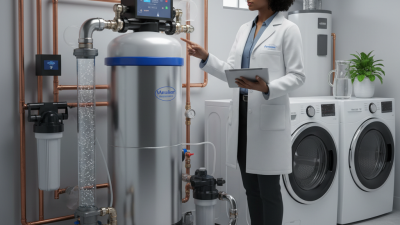
Before choosing a soft water system, check where it can physically go. Measure the floor space, doorway clearance, and distance to the main water line and drain. A unit may need a nearby electrical outlet, a bypass valve, and a drain connection; confirm these details against the installation manual. If the plumbing is cramped or the drain sits far away, a professional assessment can prevent costly surprises. Small detail, big difference.
Get your water tested before sizing the system. The U.S. Geological Survey’s “Hardness of Water” guide classifies water above 180 milligrams per liter as calcium carbonate as very hard. That figure helps you compare test results with a system’s capacity, rather than buying by guesswork.
Ask how often the unit needs salt, resin cleaning, and filter changes, and whether you can reach the brine tank without moving stored items. Maintenance varies with water use and hardness, so advertised schedules are only a starting point. Check the manual’s service intervals and the cost of replacement parts. Also ask what happens during a power outage.
I once underestimated the awkwardness of lifting a salt bag into a low, narrow utility closet; it is easy to overlook until the first refill.
Compare Warranties, Certifications, and Total Price
A soft water system is a long-term purchase, so compare more than the sticker price.
The U.S. Geological Survey classifies water above 120 milligrams per liter as calcium carbonate as hard. Ask for a recent test result before sizing equipment; a shower that leaves white spots is a clue, not a measurement. Small detail, big difference. A system sized for the wrong household may regenerate too often or struggle to meet demand.
Check whether the model is certified to NSF/ANSI 44, a standard for residential cation-exchange water softeners. Certification helps verify tested performance claims; it does not guarantee every home will get identical results. Read the warranty line by line. Look for separate coverage periods for the control valve, resin tank, and electronics, plus exclusions for installation or water conditions. Then compare total installed cost: equipment, plumbing changes, salt, electricity, and expected servicing. A low quote can omit essentials. Get the exclusions in writing. One detail is easy to miss: salt use varies with water hardness and household consumption, so a seller’s estimate may not match your actual bills. Ask for the assumptions behind it, and keep the answer with your quote.