How to Choose the Best Water Softener for Your Home

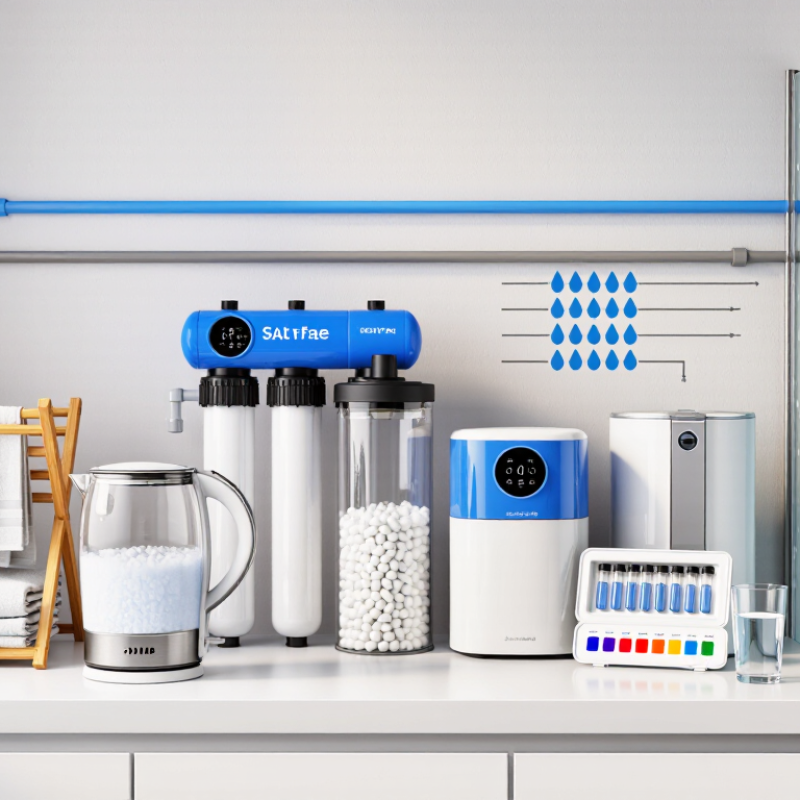
Hard water can leave white scale on a kettle, stiff towels on a drying rack, and spots on shower glass. These signs often come from calcium and magnesium, but appearance alone cannot show how hard your water is. A water test provides a more useful starting point. It can reveal hardness levels and, in some cases, iron or other conditions that affect equipment choice. That matters.

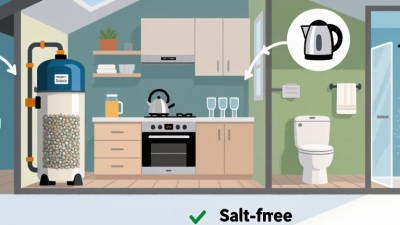
Choosing the best water softener for your home is not simply a matter of buying the largest unit or the most heavily advertised model. Household size, daily water use, plumbing flow, and the test results all influence the right capacity. Salt-based systems remove hardness minerals through ion exchange; salt-free products generally condition water rather than soften it in the same way. The distinction is easy to miss. Check product claims and relevant independent certifications, such as applicable NSF/ANSI standards, instead of relying on a label alone.

Before comparing prices, review the system’s regeneration settings, salt or maintenance needs, warranty, and installation requirements. Ask whether the model can handle peak demand without a noticeable drop in water pressure. If your home uses a private well, testing may need to cover more than hardness. A qualified water-treatment professional can help interpret results, though recommendations should still match your actual usage. There is no perfect choice for every household. A careful fit is better than an impressive specification you may never need.
How to Choose the Best Water Softener for Your Home

Assess Your Water Hardness and Household Needs

A good choice starts with a reliable picture of your water, not guesswork. Check your local water report, then test a cold-water sample from your home, since conditions can differ by location. A test strip can offer a quick estimate; a laboratory test may help clarify unusual results. Hardness is commonly reported in grains per gallon or milligrams per liter, so confirm the unit before comparing numbers. Numbers can mislead.

Your household’s water use matters too. Note how many people live there, how often laundry runs, and whether showers or appliances are used at the same time. A household of two with modest use has different needs from a busy family with several bathrooms. If you use well water, or notice reddish stains, ask about testing for iron and other minerals. I once assumed a stain meant hard water; it can have other causes, so check before choosing equipment. Keep a record.

Tips: Write down the hardness result, household size, and peak-use habits. Ask a qualified water-treatment professional how those details affect capacity and regeneration frequency. If results change between tests, retest before deciding. A little extra checking is worthwhile.

Compare Water Softener Types and How They Work

A salt-based ion-exchange softener is the conventional choice for reducing hardness. Water passes through resin beads that capture calcium and magnesium, then release sodium or potassium ions. When the resin fills, a brine rinse restores its capacity and sends concentrated minerals to a drain. Check your water test, household use, and the unit’s grain capacity before choosing. An undersized system may regenerate too often; an oversized one can waste salt and water.

Salt-free conditioners work differently. Many encourage dissolved minerals to form crystals that are less likely to stick to pipes and fixtures. They do not remove hardness minerals, so water may still leave spots on a glass. That distinction matters. These systems can suit homes seeking less scale buildup without a salt tank, but results depend on water chemistry. A magnetic device is also not equivalent to an ion-exchange softener, and claims should be checked carefully.

Reverse osmosis is another comparison point, though it usually treats water at one tap rather than the whole house. Its membrane reduces many dissolved substances, including some hardness minerals, while producing reject water. I once overlooked the difference between “conditioned” and “softened” water; the test results made it obvious. Measure hardness and iron, and consider drain access and maintenance before deciding.

Choose the Right Capacity for Your Water Use

A softener’s capacity should match both your household’s water use and its hardness level. The USGS report Estimated Use of Water in the United States in 2015 puts domestic use at about 82 gallons per person daily. That is a national estimate, not a prediction for your home. Showers, laundry, guests, and outdoor use can shift the number. Measure first.

For a rough example, four people using 82 gallons each would use about 328 gallons daily. At 12 grains per gallon of hardness, that equals roughly 3,936 grains of hardness removed each day. A seven-day interval would require about 27,600 grains of usable capacity, before accounting for reserve or iron. Check your water test, then compare the calculated need with the unit’s capacity at its stated salt setting; advertised maximum capacity may not reflect its most efficient setting. That detail is easy to miss.

Also consider peak flow. Several showers running together can cause trouble if the unit’s service flow is too low, even when its capacity looks adequate. Household use is messy, and estimates can be wrong. Track a few weeks of water use if possible, and ask a qualified water-treatment professional to review the hardness, iron, and flow figures before choosing.

Evaluate Installation Requirements and Ongoing Costs

Before choosing a water softener, check the space around your main water line. A basement corner may look roomy until you add the unit, a salt tank, and room to refill it. Measure doorways and service access, too. Check access. Many ion-exchange systems need a nearby drain and electrical outlet for regeneration. Confirm that the proposed location allows safe connections and complies with local plumbing requirements.

Installation costs depend on how easily a plumber can reach the pipes. Replacing an existing unit may be straightforward; adding a drain line, outlet, or bypass valve can raise the bill. Ask for an itemized estimate that separates equipment, labor, and any extra work. A long pipe run can change the price. So can cramped access. Get estimates based on an in-person inspection when possible, not just a phone description.

Ongoing costs include salt, periodic maintenance, and the water used during regeneration. Some systems also need prefilters, which require replacement on a schedule. Compare expected salt use and regeneration settings, but treat published estimates as starting points; household water hardness and usage affect actual costs. Check whether your utility charges for water discharged to the sewer. It may not be obvious. Keep a simple record of salt purchases and service visits for the first year. It can reveal whether your budget was realistic—or a little optimistic.

Check Efficiency, Certifications, and Maintenance Needs

A water softener’s efficiency is more than its advertised salt use. Compare salt and water consumption per regeneration, then check the capacity stated for your household’s hardness and daily use. A demand-initiated system regenerates when its measured capacity is used, rather than on a fixed schedule. Still, figures from different test conditions may not compare directly. Numbers need context.

Test your water before choosing a unit. Hardness, iron, and household water use can affect sizing and performance. Look for independent certification, such as NSF/ANSI 44 where applicable, and confirm that the specific model is listed for the claims you care about. Certification supports confidence in tested performance, but it does not guarantee that a poorly sized or installed system will work well. Check the fine print.

Maintenance should fit your routine. Ask how often the brine tank needs refilling, whether the unit needs periodic cleaning, and what happens during a power outage. Keep the salt dry and above the water line, following the maker’s instructions. Some households may also need resin or injector servicing over time. That takes time. A less obvious trade-off is that the most efficient setting may require closer monitoring; choose a system whose upkeep you can realistically manage.