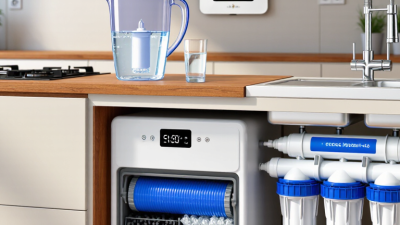
Hard water can leave chalky spots on a glass, stiff towels, and scale around a kettle. These signs often point to dissolved minerals, mainly calcium and magnesium. They do not prove that every household needs treatment, though. A water test gives a clearer starting point than guessing from one stubborn faucet.
A water softener system is designed to reduce hardness, commonly through ion exchange. Inside many units, resin beads capture calcium and magnesium and release sodium or potassium ions in their place. Over time, the beads need recharging with a salt solution, a process called regeneration. You may hear the unit cycle at night, and you will need to check its salt level. Small details matter.
This guide explains the main parts, how the treatment cycle works, and what routine care involves. It also considers practical limits: softening does not remove every contaminant, and the right setup depends on water quality, household use, and plumbing. A system that works well for one home may be poorly sized for another. Even the word “soft” can sound more reassuring than the facts justify. Test the water, compare the options, and follow the equipment maker’s instructions before choosing a system.
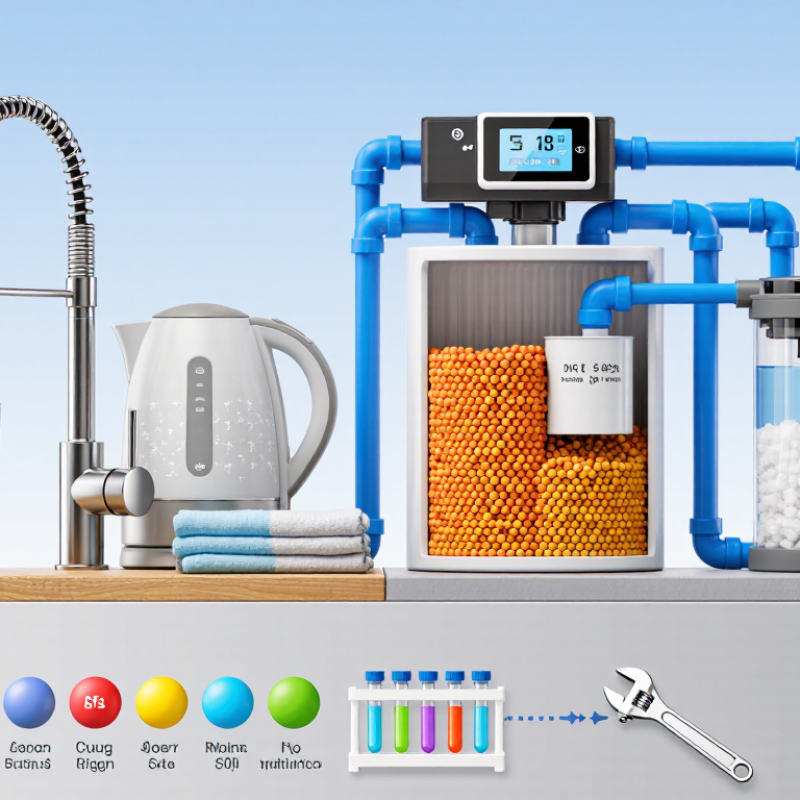
A water softener system is a household device that reduces water hardness, mainly caused by dissolved calcium and magnesium. A conventional system contains a mineral tank filled with small resin beads. As hard water flows through, the beads exchange sodium or potassium ions for hardness minerals. The treated water then travels through the home’s pipes. The word “soft” can sound broader than it is: softening does not remove every contaminant or make water automatically safe to drink.
Over time, the resin beads collect calcium and magnesium. The system periodically flushes them with a concentrated salt solution, restoring their ability to soften water. This process is called regeneration. It uses water and salt, and its frequency depends on household use and water hardness. A brine tank holds the salt solution, while a control valve manages the cycle. Details vary by system. That can make sizing less obvious than it seems.
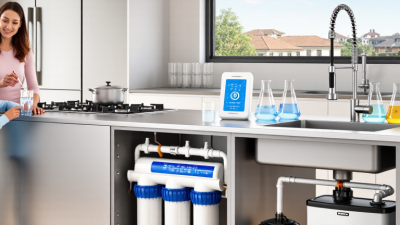
Tips: Have your water hardness tested before choosing a system. Check the unit’s capacity against household demand, and follow its maintenance instructions. Look for signs like scale on a faucet aerator or soap that struggles to lather, but do not rely on appearance alone. If water tastes unusually salty after installation, ask a qualified water-treatment professional to check the settings and plumbing.
Hard water contains dissolved minerals, mainly calcium and magnesium. These minerals are not visible as they travel through a tap. Rainwater absorbs small amounts of carbon dioxide and becomes slightly acidic. As it seeps through soil and rock, it can dissolve mineral deposits, especially limestone and dolomite. The minerals remain in the water. It is not dirt.
Hardness varies with local geology and can differ between nearby wells. At home, a chalky ring inside a kettle or pale spots on glassware may hint at mineral buildup. Soap can also lather less easily, leaving a slippery or filmy feel on skin. But these clues are imperfect. A cloudy glass might have another cause, and water can be hard without obvious signs. Testing a sample gives a more reliable measure, often reported in milligrams per liter or grains per gallon. Hard water is generally a nuisance for cleaning and plumbing, not a sign that water is unsafe to drink. Still, mineral levels alone do not tell the whole story about water quality.
| Topic | Facts and Typical Values | What It Means |
|---|---|---|
| What makes water hard? | Dissolved calcium and magnesium minerals are the main causes of water hardness. | Water can pick up these minerals as it moves through soil and rock, including limestone and dolomite. |
| How hardness is measured | Common units include milligrams per liter (mg/L) as calcium carbonate (CaCO3) and grains per gallon (gpg). 1 gpg is approximately 17.1 mg/L as CaCO3. |
A water test reports the concentration of hardness minerals, usually expressed as an equivalent amount of calcium carbonate. |
| Soft water | 0–60 mg/L as CaCO3 (approximately 0–3.5 gpg) | Generally produces little mineral scale. This category is part of a commonly used U.S. hardness classification. |
| Moderately hard water | 61–120 mg/L as CaCO3 (approximately 3.6–7.0 gpg) | May leave some mineral deposits, depending on water use, temperature, and other water conditions. |
| Hard water | 121–180 mg/L as CaCO3 (approximately 7.1–10.5 gpg) | More likely to form scale and reduce soap lather compared with softer water. |
| Very hard water | More than 180 mg/L as CaCO3 (more than 10.5 gpg) | Often causes more noticeable scale on fixtures, in pipes, and in water-heating equipment. |
| How a typical softener works | An ion-exchange softener passes water through resin beads that hold sodium or potassium ions. The beads exchange those ions for calcium and magnesium ions. | The exchange reduces hardness minerals in the treated water. The resin is periodically regenerated with a concentrated salt solution, which rinses the collected calcium and magnesium to drain. |
| Common signs of hard water | Mineral scale on faucets or showerheads, soap scum, reduced lather, and deposits in appliances that heat water. | These signs can suggest hardness, but a water test is needed to measure it; other water conditions can cause similar symptoms. |
| Testing and health context | Hardness can be checked with a water test kit or through a water-testing laboratory. Hardness is primarily an aesthetic and plumbing concern, not a measure of whether water is microbiologically safe. | Use appropriate safety testing when assessing drinking-water quality; hardness testing alone does not test for contaminants or pathogens. |
Hardness categories are commonly used descriptive ranges; local definitions and individual water conditions may vary.
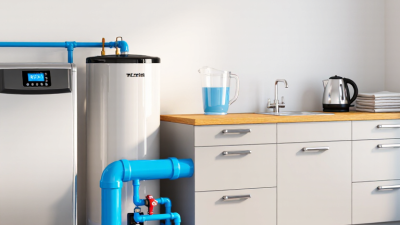
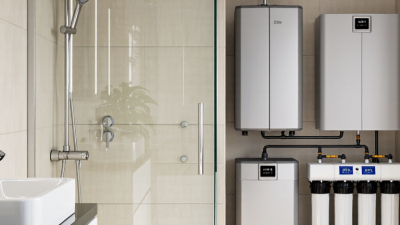
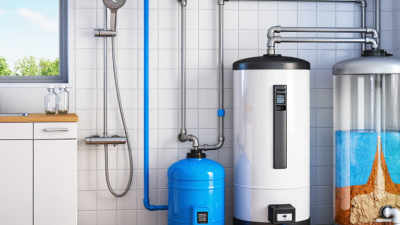
A typical ion-exchange water softener has two tanks: a mineral tank and a brine tank. Inside the mineral tank, resin beads carry sodium or potassium ions. As hard water passes over them, calcium and magnesium attach to the resin and are exchanged for those ions.
The U.S. Geological Survey classifies water above 120 milligrams per liter, measured as calcium carbonate, as hard; above 180 milligrams per liter is very hard.
That detail matters. The same system may need very different settings in different homes.
A control valve directs water through the unit and starts regeneration when the resin’s capacity is used. During regeneration, concentrated salt brine rinses away captured minerals, and the resulting wastewater flows through a drain line. A bypass valve lets water avoid the treatment tanks during maintenance.
The Water Quality Association’s guidance for residential softeners, alongside NSF/ANSI 44 performance requirements, highlights the importance of rated capacity, efficient operation, and suitable materials. In practice, check the control settings against a measured hardness result, not guesswork.
A salt bridge can form in the brine tank, too; the surface may look normal while salt beneath it stays dry. That can be easy to miss.
A water softener removes hardness through ion exchange. Inside its tank, tiny resin beads hold sodium ions on charged sites. As hard water passes over them, calcium and magnesium attach more strongly to the resin. Sodium ions then move into the water. The change is invisible. A glass still looks clear, but scale-forming minerals have been reduced.
The resin has limited capacity. When it collects enough hardness, a control valve sends salty brine through the tank. Sodium replaces the trapped calcium and magnesium, which rinse away with wastewater. Then the resin is ready again. The timing depends on water hardness and household use, so settings may need adjustment after testing. The process sounds tidy; plumbing rarely is. Salt use, drain flow, and occasional maintenance matter. Softened water can also contain more sodium, with the amount varying by hardness and settings. People limiting sodium may want a separate drinking-water line or professional advice. A softener targets hardness, not every contaminant.
Water hardness comes mainly from dissolved calcium and magnesium. The U.S. Geological Survey classifies water above 120 milligrams per liter as hard, measured as calcium carbonate. The Water Quality Association estimates that about 85% of U.S. homes have hard water. These figures explain why softening systems are common, but a household test is more useful than a national average.
are the standard choice for removing hardness minerals. Resin beads capture calcium and magnesium, then regenerate with a brine rinse. In a dual-tank design, one tank can soften water while the other regenerates, reducing interruptions for larger households. The trade-off is salt use and regular maintenance. It is not a set-and-forget appliance.
use processes such as template-assisted crystallization to change how minerals form scale; they generally do not remove hardness minerals. That difference matters. Some people use “softener” loosely, which can make product comparisons confusing. Magnetic and electronic devices are also marketed for scale control, but they should not be assumed to deliver the same mineral removal as ion exchange. Check independent performance data, your water test, and the system’s stated capacity before choosing. A high hardness reading alone does not tell the whole story.