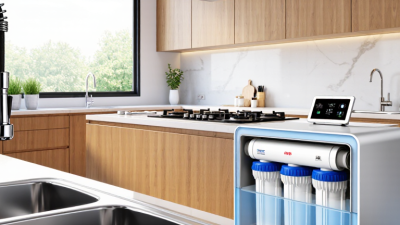
Hard water leaves clues: white scale around the kitchen faucet, stiff towels, and cloudy spots on shower glass. If those marks keep returning, choosing the best hard water filter for house use starts with understanding what is in your water. Hardness mainly comes from dissolved calcium and magnesium. A standard sediment or carbon filter may improve particles, taste, or odor, but it usually does not remove those minerals.
Dr. Joseph Cotruvo, a drinking-water quality expert, is relevant to this topic. The following is a paraphrase, not a verbatim quotation: “Test before you treat.” That distinction matters. A water test can show hardness levels and other concerns, helping you compare a whole-house ion-exchange softener with salt-free scale-control systems or filters designed for specific contaminants. These options do different jobs. Some reduce mineral buildup without removing hardness, so claims deserve a careful look.
The right choice depends on your water results, household size, plumbing, and maintenance preferences. Check product certifications and the manufacturer’s stated performance limits; avoid relying on a label that simply says “filter.” A certified installer can help assess flow rate and placement, especially if several bathrooms run at once. There is no universal winner. Even a suitable system can disappoint if it is undersized or poorly maintained. I would not choose from a glossy promise alone. A test report and clear performance data make a better starting point.
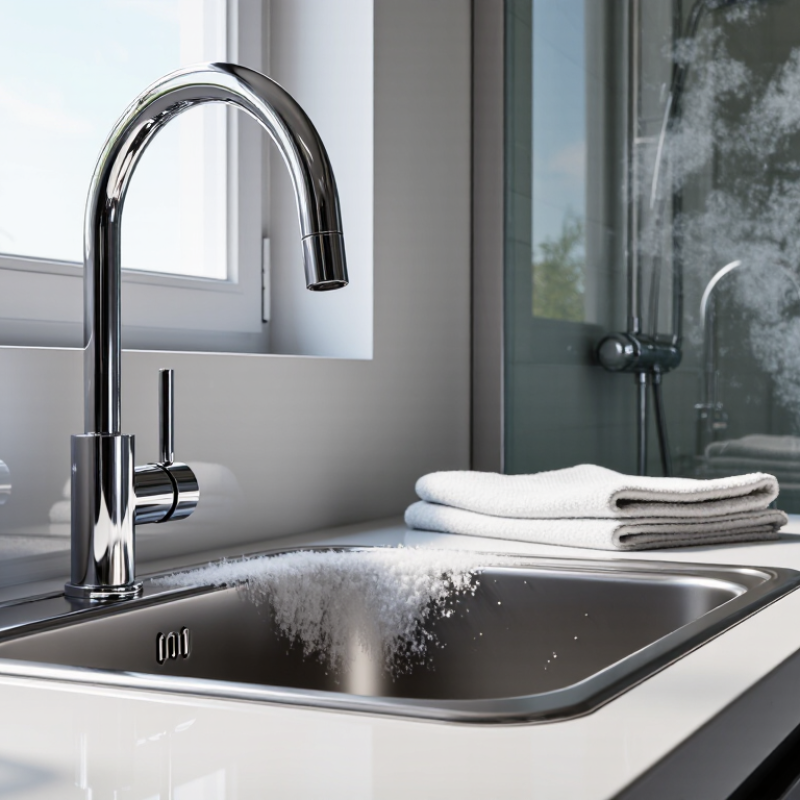
Hard water contains dissolved minerals, mainly calcium and magnesium. These minerals are naturally picked up as water moves through soil and rock. The U.S. Geological Survey classifies water at 121–180 milligrams per liter of calcium carbonate as hard, and anything above 180 as very hard. That gives homeowners a practical reference, not a verdict on safety.
At home, hardness often shows up as chalky deposits on faucets, cloudy glassware, or soap that struggles to lather. Mineral scale can build up inside kettles, water heaters, and pipes. The clues are ordinary. Their severity depends on the water’s mineral level and household use, so a crusty tap alone cannot tell you the exact hardness. A water test can.
Hardness is mainly a maintenance concern, not proof that drinking water is unsafe. The World Health Organization’s Guidelines for Drinking-water Quality do not set a health-based guideline value for hardness. That distinction matters. It is easy to blame every dry-feeling shower or spotty dish on hard water, but those signs can have other causes too. Testing helps separate a genuine mineral issue from a guess.
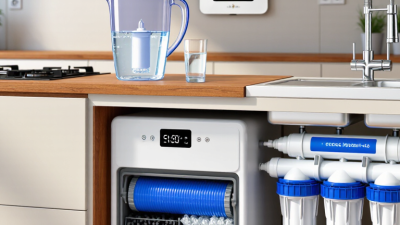
Assessing Water Hardness and Household Treatment Needs
Hard-water treatment starts with measurement, not a guess based on cloudy glassware. Start with a test. The U.S. Geological Survey classifies water with 0–60 milligrams per liter of calcium carbonate as soft, 61–120 as moderately hard, 121–180 as hard, and above 180 as very hard. These ranges give homeowners a useful baseline, though local water can vary by season and source. A laboratory test or municipal water-quality report can also reveal iron, manganese, and other issues that a basic hardness strip will miss.
Look for practical clues around the house: chalky rings in the kettle, stiff towels, soap that struggles to lather, or scale around a showerhead. One mark is not proof; it may have another cause. Match treatment to the problem. A whole-house ion-exchange softener can reduce calcium and magnesium before water reaches fixtures. A drinking-water filter at the kitchen sink serves a narrower need, and ordinary carbon filtration generally does not soften water. The right choice depends on measured hardness, household water use, and maintenance tolerance. Salt use and drain connections also matter. I would check those details before choosing a system, because a device that reduces scale can still be a poor fit for a small utility room.
| Assessment or treatment | Typical measurement or performance | Best suited for | Important considerations |
|---|---|---|---|
| Soft water | 0–60 mg/L (ppm) as calcium carbonate (CaCO₃), approximately 0–3.5 grains per gallon (gpg) | Households with little or no mineral-scale buildup | A whole-house softener is often unnecessary unless there are specific scale or appliance concerns. |
| Moderately hard water | 61–120 mg/L as CaCO₃, approximately 3.6–7.0 gpg | Households noticing mild spots on dishes or occasional scale | Confirm the level and consider the household’s actual scale problems before choosing treatment. |
| Hard water | 121–180 mg/L as CaCO₃, approximately 7.1–10.5 gpg | Households experiencing recurring scale on fixtures, heaters, or appliances | A properly sized ion-exchange softener can reduce calcium and magnesium throughout the home. |
| Very hard water | More than 180 mg/L as CaCO₃, more than approximately 10.5 gpg | Homes with substantial scale buildup or frequent descaling needs | Check the incoming hardness and household water use when sizing treatment; high demand may require greater system capacity. |
| Ion-exchange water softener | Removes hardness minerals by exchanging calcium and magnesium ions, usually for sodium ions | Whole-house reduction of measured hardness and mineral scale | Requires regeneration and salt or another regenerant. Consider maintenance, wastewater, and any sodium-related dietary advice; potassium-based regenerant is an alternative for some systems. |
| Salt-free scale conditioner | May help limit mineral scale under some conditions, but does not remove hardness minerals or lower the hardness reading | Households seeking scale management without conventional salt-based softening | Results depend on water chemistry and product design. Do not treat it as equivalent to a softener if the goal is reduced hardness. |
| Reverse osmosis drinking-water unit | Can reduce dissolved minerals, including hardness, at the treated tap | Drinking and cooking water when point-of-use treatment is desired | Usually treats only a small portion of household water; it is not a practical substitute for whole-house softening. Check the system’s certified reduction claims and maintenance requirements. |
| Sediment or activated-carbon filter | Does not remove dissolved calcium and magnesium that cause hardness | Reducing sediment or, for suitable carbon filters, improving taste and odor | These filters may address other water concerns, but a standard sediment or carbon filter is not a water softener. |
| Testing and system sizing | Use a hardness test or a water-quality report; hardness is commonly reported in mg/L as CaCO₃ or gpg. 1 gpg is about 17.1 mg/L. | Any household comparing treatment options | For an initial softener-capacity estimate, daily hardness load (grains/day) ≈ household water use (gallons/day) × hardness (gpg). Actual sizing also depends on peak flow, regeneration frequency, and the manufacturer’s stated usable capacity. |
| Practical selection rule | First test the water, then match the treatment to the problem: ion exchange for reducing whole-house hardness, reverse osmosis for selected drinking-water taps, and scale conditioners only when scale management—not lower hardness—is the goal. Hardness is generally an aesthetic and scaling concern; test separately for health-related contaminants. | ||
A filter and a water softener solve different problems. Standard sediment or carbon filters can catch grit, reduce some tastes, and improve drinking water, but they usually do not remove the calcium and magnesium that cause hardness. A softener typically uses ion exchange to replace those minerals with sodium or potassium. The difference shows up at home: white scale on a kettle, stiff towels, and spots on shower glass may persist with an ordinary filter. Test the water first. A simple hardness test can help confirm whether treatment is needed and guide equipment sizing.
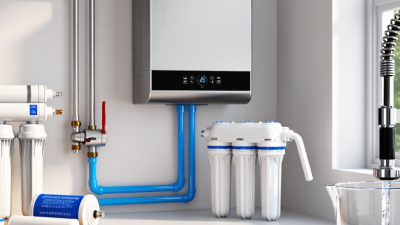
For whole-house scale control, a properly sized softener is often more suitable than a basic filter. It needs space, periodic salt or potassium, and routine checks; wastewater and sodium concerns may also matter. Some salt-free systems reduce scale formation but do not actually soften water, so compare their claims carefully. For drinking water, a separate under-sink filter may address taste or specific contaminants, depending on its certified performance. Not every household needs both. Hardness varies by location, and high hardness can make maintenance feel never-ending. Check test results, water use, upkeep, and independent certification before choosing. A local water professional can help interpret unusual results, though recommendations should be weighed against your own test data.
Hard water is usually caused by dissolved calcium and magnesium, which can leave white scale on taps, shower screens, and kettle elements. The best whole-house system depends on measured water conditions, not a generic “hard water” label. Start with a test. Check hardness, iron, manganese, pH, and sediment; a local laboratory can provide a useful baseline. Also note household size and peak water flow, since an undersized unit may struggle during simultaneous showers and laundry.
For hardness removal, a properly sized ion-exchange softener is a common choice. Its capacity should match the test results and daily water use, with regeneration settings adjusted accordingly. Look for independent certification relevant to residential softeners, and confirm installation and maintenance needs before buying. Salt-free conditioners may help limit scale, but generally do not remove hardness minerals. That distinction matters. I would also check whether softened water is suitable for every household use; preferences and plumbing conditions can differ.
Tips: Keep a recent water test and compare it with the system’s stated capacity. Ask how often media or resin needs service, and whether the unit preserves enough flow for your busiest hour. It is easy to focus on the purchase price and overlook upkeep. A little extra checking helps.
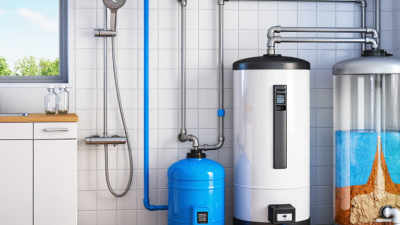
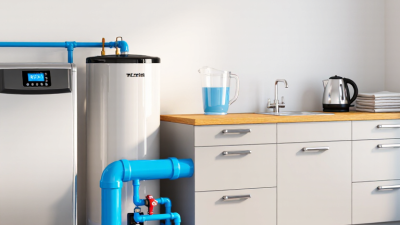
A whole-house hard water system needs a suitable location, correct sizing, and room for future service. Test the incoming water with a hardness kit, then compare the result with household demand. A softener may suit water with dissolved calcium and magnesium; a sediment or carbon filter alone generally will not remove those minerals. Check the installation instructions for shutoff valves, a bypass, drainage, and power needs. Measure the utility area carefully. Diagrams rarely show the awkward pipe behind a water heater.
After installation, inspect fittings for leaks and confirm that water flows normally. For a salt-based softener, keep the brine tank supplied as directed and check for a hardened salt crust. Don’t assume every system uses the same schedule. Media filters and cartridges have different service needs, so follow their specified replacement intervals and watch for reduced pressure. A forgotten filter can become the weak point.
Check performance at a cold tap using the same type of hardness test used before installation. Compare the readings, and repeat the test if results seem inconsistent. Soap lather and fewer spots on glasses can be useful clues, but they are not precise measurements. Recheck after changing settings or replacing media. A little uncertainty is normal; water conditions and household use can vary.