How to Choose the Best Home Water Filter System in 2026

Choosing a home water filter system in 2026 should begin with your water, not a product ranking. A glass can look clear and still contain contaminants that taste and smell cannot reveal. Purdue water-treatment engineer Andrew Whelton has emphasized this point: appearance and odor alone cannot establish whether water is safe. That is a useful caution, not a substitute for testing.

The U.S. Environmental Protection Agency’s 2024 PFAS drinking-water rule sets limits for six PFAS and requires monitoring by public water systems. For household decisions, check your local water-quality report; private-well owners should arrange appropriate testing. Then match the results to a filter’s specific performance claims and independent certification. NSF/ANSI standards can help you verify what a system is tested to reduce. A broad “removes contaminants” label is not enough.

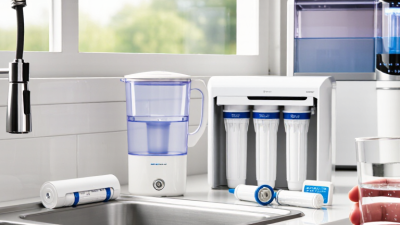
The market is growing, too. Grand View Research estimated the global water purifier market at about $30.5 billion in 2023 and projected continued growth through 2030. That figure signals consumer demand, not proof that any one device works well. Details matter: a carbon pitcher, under-sink cartridge, and reverse-osmosis unit solve different problems, and each needs maintenance. A neglected filter can be a poor choice. This guide compares system types, certifications, costs, and upkeep, so you can choose with evidence—and question claims that sound too easy.
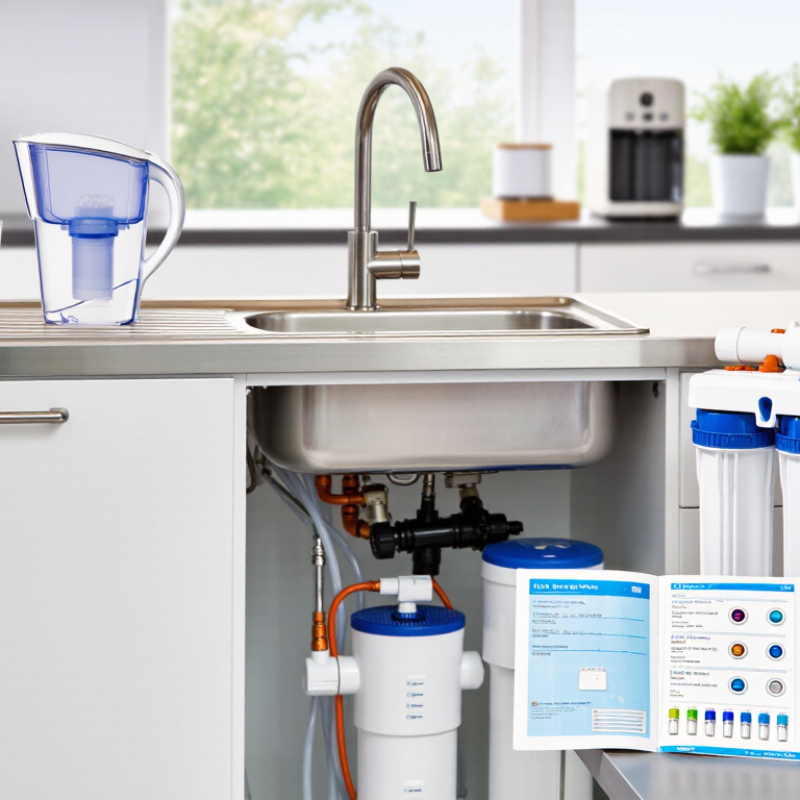
How to Choose the Best Home Water Filter System in 2026

Begin with a Water Report: EPA Regulates More Than 90 Drinking-Water Contaminants

How to Choose the Best Home Water Filter System in 2026

A water report is a practical place to begin. The EPA regulates more than 90 drinking-water contaminants, but that does not mean every home has them. Public water systems publish annual reports, often called Consumer Confidence Reports. Check the report for detected contaminants, reported levels, and any violations. Pay attention to the sample dates and your service area; a report may describe water before it reaches your kitchen tap. The tables can be awkward to interpret. One quick glance may not be enough.

Match a filter to a specific concern shown in the report, rather than choosing one based on broad claims. If the report lists lead, for example, look for independent certification that specifically covers lead reduction. A filter’s performance depends on its model, installation, and timely cartridge replacement. No single system addresses every possible contaminant. If you use a private well, public utility reports will not describe your water; arrange appropriate testing and review the results with a qualified local professional.

Tips: Save your report and note the contaminants you want to address. Check that a filter’s certification names those contaminants, then follow its replacement schedule. If a result is unclear, ask your water provider or a certified laboratory for help.
How to Choose a Home Water Filter: Start With Your Water Report

The EPA regulates more than 90 drinking-water contaminants. These selected federal maximum contaminant levels (MCLs) show why checking the specific contaminants in your water matters.

How to read this: The chart uses a logarithmic scale because the standards span a wide range. Nitrate is measured as nitrogen. MCLs are regulatory limits, not a measure of what is present in your tap; review your local water report to identify which contaminants, if any, a filter should address.

Source: U.S. EPA National Primary Drinking Water Regulations. Values shown are selected MCLs converted to micrograms per liter (µg/L).

Match Treatment Claims to NSF/ANSI Standards 42, 53, 58, or 401

When choosing a home water filter in 2026, match the contaminant to a verified reduction claim. NSF/ANSI 42 covers aesthetic effects, such as chlorine taste, odor, and certain particles. NSF/ANSI 53 addresses specific health-related contaminants, but certification does not mean every system reduces every contaminant. Check the model’s performance sheet. Labels can be easy to overread.

For reverse osmosis systems, NSF/ANSI 58 covers system performance and specific reduction claims. NSF/ANSI 401 addresses certain emerging or incidental compounds—not every newly identified pollutant. A USGS nationwide sampling study, published in 2023, estimated that at least one PFAS was present in about 45% of U.S. tap-water samples. That finding is not a prediction for every household; local water varies.

Start with your utility’s water quality report, or test well water through a qualified laboratory. Then search the certifier’s listing for the exact system and contaminant, such as lead or PFAS. A standard number alone is not enough. Check replacement intervals, too: a filter used past its rated capacity may not perform as claimed. It is tempting to buy for peace of mind, but the right claim matters more than a crowded label.

Choose Point-of-Use or Whole-House Filtration Based on Treatment Scope

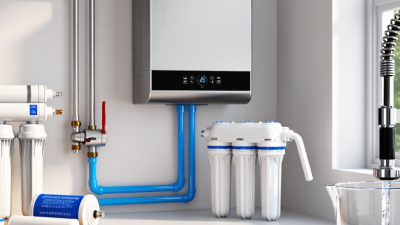
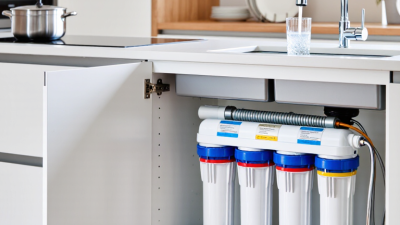
Choosing between point-of-use and whole-house filtration starts with one question: where does treatment matter? A point-of-use unit treats water at one outlet, often the kitchen sink or a drinking-water dispenser. It may suit households focused on drinking and cooking, especially when test results identify a concern at that tap. Scope matters. Whole-house systems treat water as it enters the home, so showers, laundry, and faucets receive treated water. They can address certain issues throughout the plumbing, but require correct sizing. More coverage is not automatically better.

Start with your utility’s annual water-quality report, or consider laboratory testing if you use a private well. Check performance data for the exact contaminant you want reduced; broad claims can hide important limits. Compare flow rate, replacement intervals, installation space, and whether treatment changes taste or mineral content. A compact sink unit may be enough. A whole-house system can be excessive if only one tap needs attention, yet an undersized system may leave other uses untreated. That trade-off is easy to miss. Keep maintenance records and retest when conditions change. A filter’s label is not a substitute for monitoring.

Size Whole-House Flow for a Home That Uses 300+ Gallons Daily on Average

A household using 300 or more gallons daily needs more than a large cartridge; it needs adequate peak flow. At 300 gallons per day, the all-day average is about 0.2 gallons per minute, which can be misleading. Showers, laundry, and a running dishwasher may overlap within minutes. That matters.

List fixtures likely to run together, then compare their combined flow with the system’s service-flow rating. Check the rating at the specified pressure drop, not just the headline maximum.

An undersized unit may weaken a shower when the washer fills. An oversized unit can cost more without addressing the actual water issue. Have the source water tested, because sediment, hardness, chlorine, and certain dissolved contaminants require different treatment media.

Ask a qualified installer to verify pipe size, household pressure, bypass arrangement, and replacement intervals. Keep a simple log of pressure, taste, and filter changes. Sediment buildup can reduce flow, so rated performance may not match real conditions.

After installation, measure flow at a tap while other fixtures are running; the result may reveal a sizing problem that a quiet showroom test would miss.

Compare Filter Life, Replacement Costs, and Third-Party Certification

Choosing a home water filter means comparing more than the price on the box. Check the stated filter life in gallons and months, since both limits may apply. A household that fills several bottles each morning can reach the gallon limit well before the calendar date. Water quality matters, too. Sediment or unusually hard water may shorten cartridge life, even when the packaging gives a longer estimate.

Replacement costs add up. Calculate the price of every required cartridge over a year, and check whether the system uses one filter or several. Include any tools or special fittings you may need. Small details matter. A low-cost unit can become expensive if its cartridges are replaced often or are difficult to find. Estimates are not guarantees; actual use and local water conditions vary.

Look for independent, third-party certification, then verify the exact model and its certified claims in the certifier’s directory. Standards such as NSF/ANSI 42 and 53 cover different reduction claims, so a certification should match the contaminant you want addressed. Do not assume one filter removes everything. Compare the claim with your local water report, or with test results for a private well. A tidy cost spreadsheet can still miss inconvenient replacement schedules, and that is worth checking before buying.