China’s house water filter system suppliers serve homes, apartments, villas, and private developments worldwide. Their products may look similar, yet internal quality can differ sharply. A reliable supplier should explain source-water conditions, filtration stages, flow rates, pressure limits, and replacement schedules. Clear answers matter more than polished photographs.
Dr. Joseph Cotruvo, an environmental health scientist and former U.S. Environmental Protection Agency adviser, has emphasized, “Water quality is a public health issue, not just an aesthetic issue.” That principle should guide every purchasing decision. Sediment, chlorine, heavy metals, hardness, and microbial risks require different treatment methods. One cartridge cannot solve everything. Sometimes, it only improves taste.
This guide examines leading Chinese suppliers through practical and verifiable criteria. These include material traceability, production experience, laboratory testing, certification records, factory inspection, and after-sales support. Buyers should request current documents, not screenshots from an old catalog. They should also compare independent test results with real household water reports. A supplier may claim high capacity, but actual performance depends on pressure, temperature, and maintenance. Small details matter, such as a leaking connector beneath the kitchen sink.
There is room for doubt. No supplier is perfect, and certification alone does not guarantee excellent service. Still, careful comparison can reduce costly mistakes. The strongest house water filter system partners combine engineering knowledge, responsive communication, and honest limits. That combination protects water quality more effectively than low pricing alone.
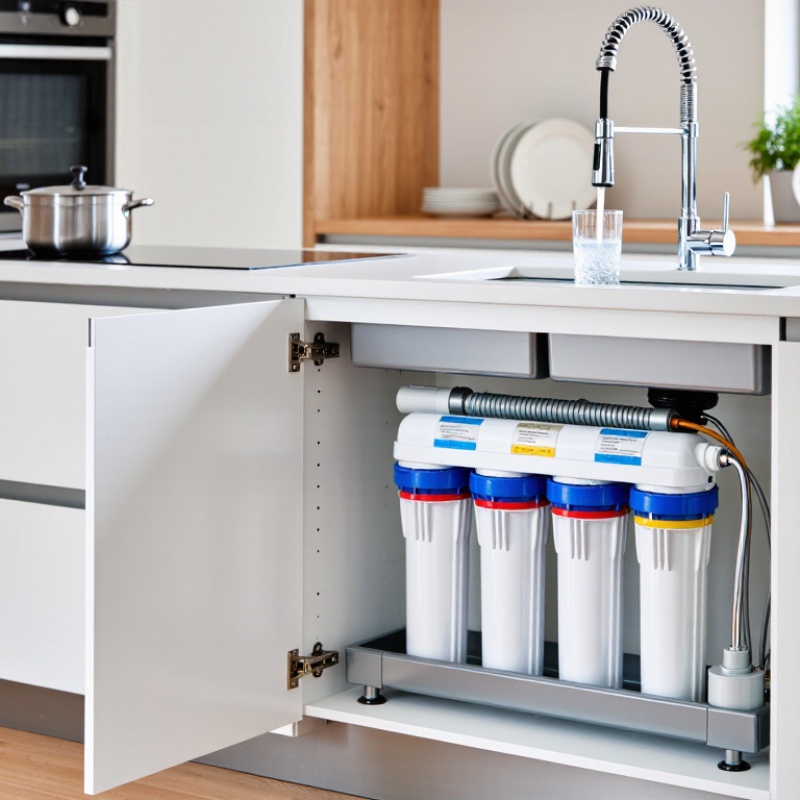
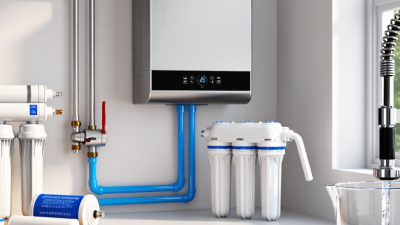
Chinese manufacturers supply several house water filter system types for different water conditions, home sizes, and installation budgets.
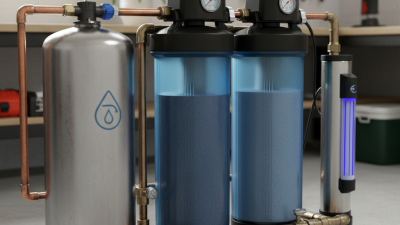
Whole-house sediment filters are common for removing sand, rust, and visible particles from incoming water. Their clear housings make replacement easier to judge.
Activated carbon systems reduce chlorine, odors, and some organic compounds, improving taste at kitchen taps and showers.
Ultrafiltration systems use hollow-fiber membranes to retain many suspended solids and microorganisms while preserving useful minerals. They suit homes with treated municipal water and stable pressure.
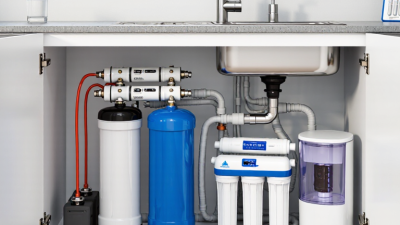
Reverse osmosis systems provide finer purification for drinking water, often through several stages: sediment filtration, carbon treatment, membrane separation, and post-filtration.
Many Chinese suppliers also offer ultraviolet units for microbial control, although UV performance depends heavily on water clarity and lamp maintenance.
Combination systems are practical, but more components mean more possible service points.
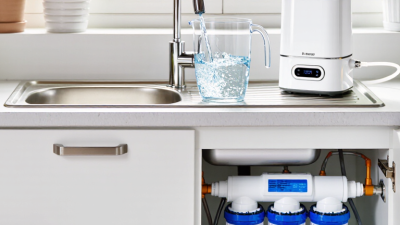
Suppliers may provide compact under-sink units, countertop models, or larger central systems with automatic flushing and digital monitoring.
Experienced buyers should request flow-rate data, membrane specifications, replacement intervals, and independent test reports.
Certification requirements vary by market, so documentation needs careful checking.
A system designed for city water may perform poorly on untreated well water. That is easy to overlook.
Reverse osmosis can also waste water and require electricity, despite its strong purification results.
Installation quality matters too; an excellent filter cannot compensate for incorrect connections, low pressure, or neglected cartridges.
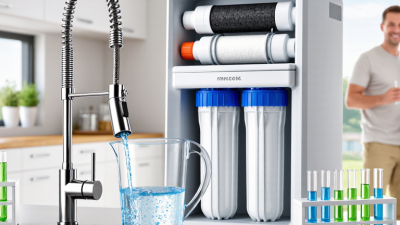
When evaluating Chinese household water filter suppliers, begin with evidence, not rankings. The WHO/UNICEF JMP 2023 report estimates that 2.2 billion people lacked safely managed drinking water in 2022. That figure raises the bar for household treatment. Request dated laboratory reports for flow rate, contaminant reduction, cartridge life, and wastewater ratio. Do not accept “up to” claims without test conditions. Small details matter. Good reports identify influent quality, temperature, pressure, sample size, and test methods.
For technical credibility, check whether testing uses an ISO/IEC 17025-accredited laboratory and relevant NSF/ANSI or Chinese standards. Certification alone is not enough. Match the certificate to the exact model, membrane, housing, and production site. Ask for traceability records, incoming-material inspections, and batch-release data. An audit should inspect molding, assembly cleanliness, leak testing, and barcode records. UN-Water’s World Water Development Report 2024 identifies agriculture as responsible for roughly 70% of global freshwater withdrawals, making household water efficiency worth measuring.
Compare recovery ratio, electricity use, noise, replacement intervals, and spare-part availability. A low purchase price can become expensive after six months. Require written service procedures, response times, warranty exclusions, and technician training records. Use pilot units in actual homes, not only showroom demonstrations. Results may disappoint. That is useful evidence. A supplier may pass paperwork yet perform poorly under hard water, unstable pressure, or heavy daily use. Inconsistent documents also deserve attention; one missing test date can expose weak internal control.
China’s leading household water filter suppliers increasingly compete through manufacturing discipline, not attractive catalogs alone. Reliable factories control every stage, from resin and activated carbon inspection to final leak testing. Production teams should verify incoming materials, molding dimensions, membrane integrity, and cartridge weight. These checks reduce taste, pressure, and contamination risks.
A mature supplier usually maintains documented procedures under ISO 9001 and follows relevant Chinese or export-market standards. However, a certificate alone proves little. Buyers should review current test reports, calibration records, batch traceability, and corrective-action files. Factory audits can reveal practical details, such as dusty assembly areas or poorly labeled storage bins. Even strong systems have gaps. That is worth admitting.
Tips: Request samples from three production batches. Test flow rate, pressure resistance, sealing, and replacement fit. Ask how rejected parts are isolated. Confirm whether laboratories use calibrated equipment and independent verification. Do not rely only on a polished showroom. A small sample may hide variation, especially during material changes or peak production periods. Clear specifications and written inspection limits make quality easier to measure.
Customization, pricing, and production capacity deserve equal attention when selecting a Chinese supplier. Experienced buyers should request a working sample before discussing large orders. Suppliers may customize filter stages, housing colors, port sizes, labels, packaging, and installation kits. However, every change can affect tooling fees, minimum order quantities, and delivery dates. A lower price is not always better. Ask for a detailed quotation that separates materials, assembly, testing, packaging, and shipping.
Production capacity needs practical verification. Request monthly output, current factory utilization, standard lead time, and peak-season delays. A supplier claiming high capacity may still depend on outside workshops. Factory visits, video inspections, and recent production records can reveal this weakness.
Check whether incoming materials are tested and whether finished units receive pressure, leakage, flow-rate, and contaminant-removal checks. Small details matter, such as thread accuracy and the fit of replacement cartridges.
In my experience, the best discussions include failure rates and corrective actions, not only sales targets. An honest supplier can explain a past problem and the change made afterward. That builds confidence. Still, capacity figures may be estimated rather than audited, so buyers should verify them through trial orders.
Pricing also changes with resin, stainless steel, membranes, exchange rates, and freight conditions. Leave room for these variables. A clear contract should define specifications, inspection methods, replacement terms, and delivery milestones before production begins.
A reliable supplier should explain filtration performance in measurable terms. Ask for flow rate, pressure range, filter life, and contaminant reduction data. Do not rely on clear product photos alone. Request current laboratory reports, material declarations, and certification documents that match the exact model. A report for another cartridge proves little. Check whether testing covers the markets where you will sell or install the system.
Factory capability matters beyond production volume. Ask to inspect the assembly line, incoming material checks, leak testing, and final inspection records. A serious supplier should provide batch numbers and a traceable quality process. Request samples from regular production, not specially prepared samples. Test the housing, fittings, taste, and water flow after several days of use. Small details matter, such as thread accuracy and replacement cartridge availability.
Communication also reveals reliability. Discuss lead times, minimum order quantities, packaging, spare parts, and warranty handling in writing. Ask how the supplier manages a leaking unit or an incorrect shipment. Their answer should include evidence, not vague promises. A polished catalog can still hide weak after-sales support. I would also compare two or three suppliers, because the cheapest quotation often excludes testing, packaging, or technical support. No supplier is perfect. Even a careful evaluation can miss problems after scale-up, so begin with a controlled trial order and review the results before expanding.